Search & find:
Media, press releases, events for your editorial coverage

Bosch Comprehensively Expands Thermal Management Program for the Aftermarket

08.09.2026

Press release

Mobility Aftermarket

Bosch Comprehensively Expands Thermal Management Program for the Aftermarket

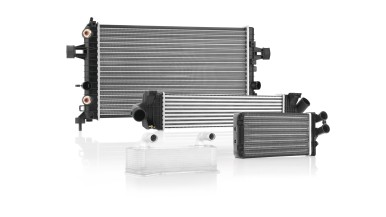
Karlsruhe, Germany – Bosch is significantly expanding its thermal management range for the aftermarket. With the addition of brand-new product groups and the expansion of its existing portfolio, Bosch is strengthening its position as a comprehensive system supplier for workshops. The goal is to offer businesses an even broader and deeper range of spare parts in proven Bosch quality, all from a single source, to support a growing number of repair cases involving to thermal systems.Expansion with new product groups The thermal management system in a vehicle ensures that all components operate within their optimal temperature range while maintaining a pleasant climate for the occupants. Building its extensive expertise in vehicle thermal systems and decades of development and manufacturing experience, Bosch will expand its existing range from the first quarter of 2027 to include radiators, oil coolers, intercoolers, and cabin heat exchangers. The new range will initially comprise of approximately 1,000 part numbers for passenger cars and light commercial vehicles in proven Bosch quality and will be successively expanded. The products are offered in various versions to meet the specific requirements of each vehicle application – for example, oil coolers with or without a filter, or radiators with or without an oil cooler – thus covering a large portion of the most common vehicles in Europe. To facilitate installation for workshops, a large part of the range is supplied with the appropriate O-rings and corresponding accessories. New water pumps for demand-based repairs As a further addition to the thermal management program, Bosch is introducing the electric main water pump at the end of 2026. While the electric auxiliary water pump, established in the Bosch portfolio, supports the various coolant circuits in both combustion engine and electric vehicles, the main water pump is responsible for the fundamental and reliable cooling of the engine. Its operation, independent of the engine, enables optimized cooling performance, particularly in modern powertrains, including hybrid and electric vehicles. The range includes 12 part numbers for common passenger car models from BMW, Mercedes-Benz, and Toyota. All products meet original equipment quality standards, ensuring reliable function and a long service life. To provide workshops with more flexibility in repairing belt-driven systems, the mechanical water pump will also be available as an individual part in the future – in addition to the well-known belt kit including a water pump. From the end of the third quarter of 2026, 70 part numbers for the timing drive will be available. In early 2027, around 120 more part numbers will follow, with approximately 40 for the timing drive and 80 for the accessory drive. With this, Bosch covers a large part of the European vehicle fleet. A/C components program to be further expanded The program of A/C components, first introduced in early 2024, is growing particularly strongly. From the beginning of 2027, around 500 new part numbers will expand the range,from compressors and condensers to dryers, evaporators, and expansion valves. This increasesthe European vehicle park coverage for condensers to over 90%. A highlight that underscores the expertise for modern drives is a new dryer for various Tesla models. For simple and professional installation, all A/C components are supplied with the matching O-rings. Strict endurance, leak, and corrosion tests ensure the reliable performance and long service life of the parts. Continuous expansion of the existing range The existing portfolio is also continuously adapting to the needs of workshops. In the cabin blower segment, Bosch is expanding the program at the end of 2026 with 20 new part numbers. The new blowers are available for passenger cars and light commercial vehicles from the brands VW, Renault, BMW, and Peugeot in the European market. In the engine cooling fan segment, the range will also expand from the beginning of 2027 by ten more part numbers for common models from VW, Renault, and Peugeot. The quality spare parts for the independent aftermarket are suitable for passenger cars and light commercial vehicles. Both product ranges will be consistently expanded to meet market requirements. Comprehensive system expertise and a broad range from a single source With the development and expansion of its thermal management business, Bosch ensures that workshops can rely on an even more comprehensive range of products from an experienced partner for service and repair cases. "Our claim is to stand by workshops as a strong and reliable partner. That is why we are consistently expanding our thermal management program. This is crucial, especially regarding electromobility, because intelligent thermal management is the key to the performance and service life of future vehicle generations. With our expanded portfolio, we are sharpening our expertise and supporting workshops with the requirements of future vehicle generations," says Carsten Kopp, member of the Bosch Mobility Aftermarket divisional board, responsible for development and product areas. The entire range is available to workshops through the usual distribution channels. All newly added products are listed in both the Esitronic diagnostic software from Bosch and the TecDoc electronic parts catalog.

100 Years of Bosch Wiper Systems: A Success Story with a Clear Vision for the Future

08.09.2026

Press release

Mobility Aftermarket

100 Years of Bosch Wiper Systems: A Success Story with a Clear Vision for the Future

Karlsruhe – In 1926, Bosch revolutionized driving safety with the first electric windshield wiper. 100 years later, the company is celebrating this significant anniversary and looking back on a long history of groundbreaking innovations. From the introduction of interval wiping to the Aerotwin flat-blade wiper, Bosch has decisively shaped the development of wiper systems and repeatedly redefined the standards for clear vision.A journey through the milestones of wiper technology The history of Bosch windshield wipers is a story of progress. The electric drive was followed by the development of the dual-material wiper rubber (1994), which significantly improved cleaning performance. With the Bosch Aerotwin in 2001, the company set the new standard for modern flat-blade wipers, which are now original equipment (OE) in most new vehicles. Their aerodynamic design with a custom-fit Evodium spring strip ensures optimal contact pressure and a long service life. "The invention of the electric windshield wiper by Bosch in 1926 was a quantum leap for road safety," says Bart Robijns, Head of Wiper Development at Bosch. "A modern wiper is a crucial component in the vehicle: The latest generation of electric vehicles, in particular, places high demands on acoustic performance. Wipers with maximum running smoothness and no disruptive background noise are required. Furthermore, modern driver assistance systems rely on an impeccably clean windshield so that cameras and sensors can accurately and continuously capture the vehicle's surroundings." Anniversary campaign celebrates "Keeping the essentials in sight for 100 years" To celebrate this anniversary, Bosch is launching a comprehensive communication campaign, which officially begins with the trade fair Automechanika. Under the motto "Keeping the essentials in sight for 100 years," the campaign tells a story that connects generations and focuses on the themes of family, care and nostalgia. The campaign includes videos, extensive social media activities and other materials that workshops and retailers can use in their marketing efforts. Outlook: Innovations for the mobility of tomorrow Innovative strength has been the driving force behind Bosch wiper systems for 100 years. With pioneering technologies, the company actively shapes global trends and offers tailor-made solutions for OE and the aftermarket. For example, the Aerotwin J.E.T-blade for commercial vehicles embeds nozzles into the wiper blade, so washing fluid can be sprayed directly in front of the blade as it travels across the windshield, thus reducing disruptive spray mist and immediately improving visibility for drivers. On these systems, fleet operators benefit from maximum reliability, while workshops save time during installation thanks to pre-assembled adapters.

Bosch Classic Reproduces Wheel-Speed Sensors for Historic Vehicles

08.09.2026

Press release

Mobility Aftermarket

Bosch Classic Reproduces Wheel-Speed Sensors for Historic Vehicles

Karlsruhe – Bosch Classic, the division for modern and vintage classic cars at Bosch, will launch newly reproduced wheel-speed sensors for early ABS systems at Automechanika in Frankfurt from September 8 to 12, 2026. By resuming production, Bosch Classic is closing a long-standing supply gap in the spare parts market and supporting owners of historic vehicles and specialized workshops in the repair and preservation of classic cars. The Bosch Classic booth will be located in Hall 9, providing information on its range of spare parts, services and technical support for historic vehicles.The wheel-speed sensors are a central component of the first ABS generations developed by Bosch. For numerous vehicles, especially those built between 1982 and 1997, suitable replacement sensors have not been available for a long time. Bosch Classic is solving this problem by reproducing selected sensors based on the original specifications. The new spare parts enable vehicle owners and workshops to properly repair the ABS systems of historic vehicles,keeping the vehicles as true to the original as possible. Bosch Classic will expand the program in the coming months, though reproduced part numbers currently available can be found here: Classic Alliance brings together specialist audience and classic car expertise Bosch Classic is also involved as a collaborator in the new Classic Alliance by Automechanika—a program aimed to more strongly connect the automotive aftermarket and the international classic car scene. The new B2B network offers workshops, restoration businesses and other market participants a platform for professional exchange and access to specialized know-how on historic vehicles. "We see great opportunities in the emerging B2B Classic Car network to present the product portfolio and services of Bosch Classic to an international specialist audience," said Michael Mack, head of Bosch Classic. Bosch Classic is committed to preserving historic vehicles and supporting the growing number of modern and vintage classic car enthusiasts with technical know-how, original and remanufactured parts and an extensive archive of historical documentation. The Bosch Classic Services – a network of around 50 businesses in Germany, Austria, and Switzerland – offer specialized expertise as well as suitable tools and equipment for the maintenance, repair and restoration of modern and vintage classic cars.

Automechanika 2026: Bosch successfully guides auto repair shops on the road to t ...

08.09.2026

Press release

Mobility Aftermarket

Automechanika 2026: Bosch successfully guides auto repair shops on the road to t ...

Frankfurt a. M./Karlsruhe – Mobility is in a state of transformation, with new vehicle technologies, software-based systems, and artificial intelligence ushering in a new era for independent repair shops. Bosch is supporting shops at the forefront of this transition in expanding their range of services, working more efficiently, and tapping into additional business growth opportunities.Bosch is characterizing its presence at Automechanika 2026 with the theme "Master the job every day," demonstrating how technological expertise, digital connectivity and collaborative partnerships enable workshops to conquer their current and future objectives. To this end, Bosch combines original equipment expertise, vehicle diagnostics, spare parts, workshop equipment, training and digital services into an integrated systems approach that relieves the daily burden on shops by simplifying processes and supporting sustainable economic success. "Mobility is changing rapidly. Our ambition is to accompany repair shops as partners on this journey – not with individual products, but with an intelligently connected, integrated system that helps them work successfully today and leverage the opportunities of tomorrow's mobility," says Rupert Hoellbacher, Chairman of the Bosch Mobility Aftermarket divisional board. Artificial intelligence creates more efficiency in day-to-day shop operations The new generation of the ESI[tronic] diagnostic software demonstrates how Bosch is specifically using artificial intelligence to increase productivity in workshops. The integrated AI assistant analyzes diagnostic data, accesses repair instructions and original documents from vehicle manufacturers, and suggests suitable solutions. This allows technicians to arrive at the correct diagnosis more quickly and concentrate on what matters most – repairing the vehicle. In this way, Bosch is reducing the complexity of modern vehicles and helping shops optimize diagnostic service. ADAS calibration from Bosch – easier than ever Bosch is also leveraging new and powerful technologies for the calibration of modern advanced driver assistance systems (ADAS), bringing efficiency gains directly into the daily workflow. With the new SOVAL technology (Sensor Validation) for the DAS 3000 calibration system, Bosch significantly streamlines modern ADAS calibration. Instead of the time-consuming manual alignment of the vehicle and calibration device, technicians can simply complete a tablet-guided walk around the vehicle and the system will automatically detect the vehicle's position, reference points, and step-by-step calibration needs. This allows calibrations to be carried out faster, more easily, and efficiently, even in limited spaces. Workshop solutions for all powertrains Bosch supports repair shops in servicing every powertrain that enters their shop. For the foreseeable future, vehicles with combustion engines will remain an important part of in-shop service, while the importance of electrified vehicle service capabilities continues to grow. Bosch is therefore pursuing a technology-neutral approach, offering shops solutions that allow them to handle current repair cases profitably while preparing for new requirements. In the diesel service sector, the new DCP 800 test bench (Diagnostic Common-Rail Pump), presented in Frankfurt, accelerates the testing of common-rail high-pressure pumps and helps shops get vehicles back on the road faster. At the same time, Bosch is comprehensively expanding its thermal management portfolio and will offer shops even more components from a single source – for modern cooling and air-conditioning systems spanning combustion engines and electric vehicles. Partnership creates competitive advantages In addition to innovative technologies, strong partnerships are a decisive factor for shop success. With various in-shop support concepts such as Bosch Car Service and AutoCrew, Bosch combines modern workshop equipment, diagnostic software, training, technical information and a strong international brand into a comprehensive partner offering. Shops gain access to current technological knowledge, benefit from the exchange of experience within a strong network, and can continuously develop their range of services. Additional business opportunities arise in the fleet business. With data-based services, Bosch helps fleet operators identify maintenance needs early, reduce downtime and make service processes more predictable. This strengthens competitiveness for fleet operators and independent repair shops through driving recurring service occasions, better capacity utilization and additional revenue potential. A strong portfolio for the repair shops of today and tomorrow As an original equipment manufacturer, Bosch brings new vehicle technologies to the aftermarket at an early stage and continuously develops its spare parts portfolio. The goal is to support workshops in every repair case with the right products, data and services. This also applies to the commercial vehicle business. At Automechanika, Bosch is presenting numerous portfolio extensions for current vehicle generations – from new spare parts and diagnostic solutions to shop tools and equipment. Together with ESI[tronic] Truck and Off-Highway, Bosch helps shops carry out maintenance and repair work efficiently to ensure the long-term operational readiness of commercial vehicles. Sustainability becomes an economic success factor For Bosch, sustainability is far more than an environmental goal. It opens up new business opportunities for repair shops while strengthening their competitiveness. "In the aftermarket, sustainability is not decided by abstract concepts, but in the specific repair case,” said Carsten Kopp, member of the Bosch Mobility Aftermarket divisional board. “When we remanufacture components, extend vehicle life cycles and enable economically attractive repairs for vehicle owners, we conserve resources and, at the same time, create new business opportunities for repair shops. This is precisely the strength of the circular economy: It combines ecological responsibility with economic benefits for our partners in the market." With programs such as Bosch eXchange, the company returns remanufactured components to the market in original-equipment quality. Going forward, Bosch intends to further develop this approach together with strong partners. To this end, Bosch and PreZero announced a strategic collaboration at Automechanika aimed at strengthening the circular economy and European material cycles. The objective is to keep valuable components and raw materials within the European economic cycle for as long as possible while further expanding the second-life approach for vehicle components. In the vehicle recycling process, Bosch combines its expertise in diagnostics and remanufacturing with PreZero’s recyclable materials management and logistics infrastructure. Going forward, data-driven insights are intended to help determine more precisely whether components are suitable for reuse, remanufacturing, or recycling. The collaboration with PreZero is one element of Bosch’s comprehensive commitment to the circular economy. At the same time, Bosch is continuously developing its existing programs and other approaches to make the best possible use of components and materials and unlock new economic potential for the aftermarket. Bosch supports vehicles throughout their entire life cycle The strength of the Bosch portfolio is evident throughout the entire vehicle life cycle. While modern diagnostic and repair solutions prepare independent shops for future vehicle generations, Bosch Classic supports owners and specialized shops in the long-term maintenance of historic vehicles. With new spare part solutions for early ABS systems, Bosch Classic is closing supply gaps in the market and helping to preserve classic vehicles as true to their original state as possible. Additionally, Bosch is celebrating 100 years of electric windshield wiper systems at Automechanika. The anniversary is a prime example of the company's sustained strength in innovation and the close link between original equipment and the aftermarket. With its trade fair presence at Automechanika, Bosch is showing how powerful technologies, original equipment expertise and strong partnerships are helping independent repair shops shape the mobility of today and tomorrow in an economically successful way.

IAA Transportation 2026: How Bosch is shaping freight transport today and tomorrow

02.09.2026

Press release

Mobility

IAA Transportation 2026: How Bosch is shaping freight transport today and tomorrow

Stuttgart, Germany – Bosch is shaping the transition to software-defined commercial vehicles with a broad portfolio of technologies for powertrains, thermal management, chassis, automation, connectivity, and digital services. The company’s latest innovations help vehicle manufacturers and fleet operators tackle the industry’s most pressing challenges, from decarbonization and traffic safety to the increasing complexity of software and systems in modern commercial vehicles.As a system partner, Bosch provides custom solutions that, through software and artificial intelligence, encompass both the hardware in the vehicle and the digital control system. In May 2026, Bosch announced its plans to establish a new joint venture by the end of the year in collaboration with the two subsidiaries of the TSF Group, namely Brakes India Private Limited (BIPL) and Wheels India Limited (WIL). The establishment of the new company is still subject to official approval. Through the new joint venture, Bosch aims to expand its portfolio to include smart actuators for compressed air generation, compressed air treatment, air suspension, and parking brakes. The goal is to strengthen the company’s position in the commercial vehicle segment and to further advance the development of software-defined commercial vehicles and connected transportation solutions. Bosch powertrain technologies for global markets Electric powertrain: Bosch is electrifying both light- and heavy-duty commercial vehicles, from individual components to complete systems solutions. Its new rigid e-axle integrates core components of the electric powertrain like the electric motor and transmission into a solution for commercial vehicles weighing 18 to 49 metric tons. The axle reduces the vehicle’s weight and also operates more efficiently than a conventional electric center drive. When combined with silicon carbide inverters, which feature an efficiency of up to 99 percent, the rigid e-axle significantly reduces operating costs in freight transport. A global manufacturing and supply network also ensures reliable delivery directly to sites in all relevant markets. High-voltage motor-driven fan: Efficient thermal management is crucial for the range and performance of electric commercial vehicles. To this end, Bosch is introducing a new high-voltage blower module for 800-volt architectures , which the company has developed specifically for electric commercial vehicles and off-highway applications. The solution provides on-demand cooling for key vehicle components, reduces energy consumption, and thus helps increase range and efficiency. Fuel-cell systems for buses and trucks: As a locally emission-free powertrain solution for commercial vehicles, fuel cells use hydrogen and oxygen to produce water and electricity. Compared to a purely battery-electric powertrain, this technology offers advantages such as lower system weight, longer ranges, and quick refueling times. Bosch’s portfolio of compact, highly integrated fuel-cell systems covers a power spectrum from 100 to 300 kilowatts. This enables the operation of city buses, long-haul trucks, and stationary applications. Hydrogen engines as alternative powertrain: Since 2025, Bosch has been supplying various test vehicles and fleets worldwide with, among other things, injectors, control units , and sensors for direct and intake manifold injection , as well as components for hydrogen tank systems . Because this powertrain solution is based on established architectures, automakers can still use their existing development and production lines. In addition, the hydrogen engine conserves resources because it requires virtually no raw materials that are difficult to source, such as rare earth elements or precious metals. Bosch also offers solutions for other alternative fuels, such as natural gas/methane, ethanol, and methanol, which have often been developed for specific regions or applications. Bosch’s digital carbon certificate: Organic and electricity-based synthetic fuels reduce carbon emissions from existing fleets and commercial vehicles that are difficult to electrify. Bosch provides fleet operators who use renewable synthetic fuels such as hydrotreated vegetable oil (HVO) with a digital fuel twin . This cloud-based software function automatically tracks the use of alternative fuels and documents the resulting reduction in emissions. Sensors and connectivity for greater safety in truck traffic Integrated drowsiness detection in the side mirror: As of mid-2026, the EU requires all newly registered trucks to be equipped with sensor-based driver warning systems to prevent accidents caused by inattention or fatigue. Bosch is implementing the EU regulation particularly efficiently: a camera integrated into the left display of Bosch’s digital side mirror monitors the driver’s attention, eliminating the need for manufacturers to install a separate unit. Two European truck manufacturers are already equipping their vehicles with this solution as standard. A separate control unit is still needed to process the image data, but in the future, a central domain controller will handle this task. Sensor data fusion directly in the camera: Modern trucks already use multiple video and radar sensors to track their surroundings. Bosch’s MPC4 multipurpose camera is the first to enable data fusion from the camera’s numerous surround sensors. Compared to the previous model, Bosch has increased the computing power by a factor of twenty and is using artificial intelligence (AI) to improve assistance systems such as lane-departure warning and emergency brake assist. The system, which is specifically designed for the commercial vehicle environment, will go into production in 2027. Radar technology with its own chip architecture: Alongside the camera, Bosch will introduce its new seventh-generation radar sensor in 2027. The sensor uses waveguide antenna technology and a processing chip (system on a chip, SoC) manufactured in-house, while AI algorithms optimize signal quality. The technology adapts flexibly to various E/E architectures, from traditional domain control units to high-performance computers that will define the software-defined truck of the future. Predictive driving and simplified access: Connecting commercial vehicles to the cloud enables new safety and convenience functions. For example, Bosch’s connected map services analyze real-time data on accidents, wrong-way drivers, and hydroplaning to proactively control driver assistance systems. The fleet management xtended access system, in turn, controls vehicle access using a physical key and a smartphone app. The digital key simplifies fleet scheduling for fleet managers. High-performance vehicle computers and software solutions Vehicle computers for software-defined commercial vehicles: To manage the increasing complexity of modern trucks, Bosch is developing central E/E architectures with powerful and scalable vehicle computers. The cockpit integration platform, for example, brings together all functions for driver interaction – from operating the infotainment system to other cockpit applications. For cross-domain functions, Bosch offers additional solutions such as its vehicle integration platform, which combines functions from the motion, energy, and body domains on a central computing platform. These high-performance computers enable the transition to software-defined commercial vehicles by supporting fast over-the-air software updates and advanced features such as secure gateways and other on-demand features. The ETAS software platform for software-defined commercial vehicles: The Bosch subsidiary ETAS offers a vehicle software platform suite , which provides a stable and secure basis for the efficient development and management of scalable vehicle architecture. Based on the open-source initiative Eclipse S-CORE, it supports all modern vehicle architectures – from classic control units to powerful computers and platforms for assisted and automated driving. Customers can use it to efficiently create state-of-the-art vehicle platforms and market them more quickly. Diagnostic solution from ETAS: The Bosch subsidiary ETAS is introducing next-generation vehicle health and repair , a service-oriented diagnostic approach based on the ASAM SOVD standard. This system pools vehicle data, diagnostic functions, and service information to quickly identify complex faults in software-defined commercial vehicles. This allows workshops to plan and prepare for repairs more effectively, reduce downtime, and increase the first-time fix rate – that is, successfully complete repairs during the customer’s first visit to the shop. At the same time, the diagnostic data collected is fed directly back into development and quality assurance, thereby contributing to the continuous improvement of the vehicles. Steering and occupant protection systems for commercial vehicles ServoE – fully electric steering: Bosch’s ServoE electromechanical system steers heavy-duty commercial vehicles using only electric power and requires no oil, which simplifies factory installation. The power-on-demand function reduces the vehicle’s energy consumption during operation. Thanks to its redundant design and a cybersecure software architecture, the system enables assisted steering functions all the way up to automated driving. In addition, ServoE paves the way for future steer-by-wire technologies without a mechanical connection between the steering wheel and the wheels. Servotwin – electrohydraulic steering system: The Servotwin electrohydraulic steering system for heavy commercial vehicles combines a hydraulic Servocom steering system with scalable electrical servo units. Its cybersecure software architecture reliably controls SAE Level 2 steering assistance and driver assistance functions. In this way, Bosch significantly improves driving comfort and safety on long-haul trips. Rear-axle steering for a smaller turning radius : Bosch’s electrohydraulic rear-axle steering system , as a standalone power-on-demand system, steers up to three or more leading or trailing heavy-truck axles. The additional axle steering reduces the turning radius and helps prevent premature tire wear. Thanks to its compact design, the system fits into all standard powertrains and trailer applications. Compact, low-friction steering shaft: The modular steering shaft connects the steering mechanism to the steering column in buses as well as in medium- and heavy-duty commercial vehicles. The mechanical component fully compensates for relative movements between the cab and the chassis while driving without affecting steering behavior. In addition, this weight-optimized component features a highly compact design and minimal internal friction. Airbag control units for enhanced occupant safety: Bosch protects the occupants of heavy-duty trucks in the event of a collision with an airbag system specifically tailored to this market segment. In electric commercial vehicles, the 24-volt system ensures that the high-voltage battery is automatically disconnected from the vehicle’s electrical system in the event of an accident. This protects occupants and emergency responders alike from hazards such as electric shock or fire. The control unit also records accident data in the integrated event data recorder and transmits crash information in real time to the vehicle’s internal network via the J1939 protocol.


SMM 2026: Bosch presents injection technology for the large engines of the future

01.09.2026

Press release

Mobility

SMM 2026: Bosch presents injection technology for the large engines of the future

Stuttgart and Hamburg, Germany – Ships account for about 80 percent of international freight traffic, and also cause 2 to 3 percent of all man-made carbon emissions worldwide. Bosch, a leading supplier of injection systems for maritime engines, is working with partners to develop solutions that will enable ships to use renewable synthetic fuels efficiently and reliably in the future. In this way, Bosch is making an important contribution to achieving the International Maritime Organization’s (IMO) ambitious climate goals on the path to net-zero greenhouse gas emissions by 2050. At the SMM international trade show in Hamburg, the technology company is showcasing a new injector for alternative fuels that can be used with both liquid and gaseous fuels. “The maritime market will continue to grow in the coming years, while needing to decrease its environmental impact dramatically,” says Dr. Stefan Schenk, who oversees the Large Engines business unit in Bosch’s Power Solutions division. “To truly establish sustainable fuels in the shipping industry, we need policymakers, the fuel industry, shipbuilders, and shipowners around the world to work together.”According to forecasts by the UN Conference on Trade and Development (UNCTAD), global maritime traffic is expected to grow by an average of about 2 percent per year through 2030. Other long-term scenarios from the International Transport Forum also assume that the volume of freight transport worldwide could nearly double between 2019 and 2050. Shipping remains by far the most important mode of transportation for global trade. “The market for climate-friendly maritime propulsion systems will grow rapidly in the coming years,” Schenk says. Greater sustainability in maritime applications – and beyond Current Bosch injection systems have so far been used primarily with diesel or diesel-based fuels and are mainly installed in medium- and high-speed large engines. These can be found, for example, on ferries, tugboats, yachts, or in generators that provide onboard power for large container ships and freighters. Bosch components are already compatible with drop-in fuels such as biodiesel and paraffinic diesel. This means that, provided they are fueled appropriately, such components can already help reduce carbon emissions. “Our development efforts are now focused on injection and air-injection components for liquid and gaseous alternative fuels,” Schenk says. The new Bosch injector can work with a variety of fuel types, including hydrogen, methanol, ethanol, and ammonia, and its design can be customized to suit the specific application. It can be used for either intake manifold injection or for low-pressure direct injection and is currently being tested by Asian customers. Some of the development challenges associated with methanol use include, for example, modifying combustion processes, ensuring reliable cold starts, and addressing material compatibility and wear caused by the fuel’s lower lubricity. This is because, without appropriate modifications, existing products are not suitable for use with methanol or ammonia. Bosch offers special injection valves for the gaseous injection of natural gas, hydrogen, or ammonia into the intake manifold. In addition to maritime applications, Bosch technology is also used in large stationary engines, construction machinery, locomotives, and more. Millions invested in the Hallein location To advance these developments further, Bosch recently put a methanol infrastructure into operation at its engineering location in Hallein, Austria, investing tens of millions in the project. Within the Bosch Group, this facility serves as the global center of competence for large-engine injection systems. “Decarbonizing large engines requires a diverse array of technologies – especially where electrification reaches its limits and where renewable synthetic fuels will play a key role in the future,” Schenk says. “With the new methanol infrastructure, we’re laying the groundwork to further develop these technologies and get them ready for volume production and deployment by our customers.”

Bosch at IFA 2026: intelligent solutions for greater well-being and comfort

01.09.2026

Press release

Bosch Group

Bosch at IFA 2026: intelligent solutions for greater well-being and comfort

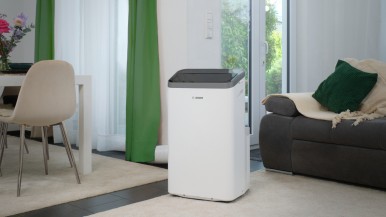
Stuttgart and Berlin, Germany – In light of persistent heat waves, there is a growing desire for year-round home comfort. Bosch will be showcasing its latest innovations at IFA 2026 in Berlin. Its focus is on solutions for heating, ventilation, and air conditioning that use smart connectivity and digitalization to enhance home comfort, save energy, and promote well-being. Heat pumps, air conditioners, and wellness products such as air purifiers are surging in popularity and were the fastest-growing segments for the Bosch Home Comfort Group in the first half of 2026. Demand is set to rise even higher: according to a survey1 conducted by the Bosch Home Comfort Group, only slightly more than one in three people (38 percent) in Germany are satisfied with their own arrangements for protecting against heat. Nearly half of those surveyed (47 percent) are struggling with the heat, which is causing problems sleeping and making daily life more difficult. In Germany, where air-conditioning systems have long been a subject of controversy, interest is growing: 54 percent of Germans surveyed are interested in purchasing an air conditioner. The need for reliable cooling is no longer merely a luxury, but a matter of well-being, health, and quality of life.Increased demand for air conditioners There was a sharp, weather-driven surge in demand for air conditioners as a result of this summer’s heat waves. For some time now, the Bosch Home Comfort Group has also been seeing steady growth in demand for air-to-air heat pumps, which can heat and cool. According to Fachverband Gebäude-Klima, the German association for buildings and indoor air quality, sales of split air-conditioning systems in the German market rose from approximately 260,000 units in 2023 to approximately 320,000 in 2025. Overall, Bosch expects the market for HVAC solutions to grow. According to calculations by the International Energy Agency in 2018, a global temperature rise of just 1 degree Celsius by 2050 will increase the demand for cooling solutions worldwide by 25 percent. However, climate researchers are already predicting much greater global warming. Building-stock electrification is progressing Looking ahead, heating and cooling are becoming increasingly integrated from a technological standpoint, which is driving the electrification of the existing building stock. One year after its strategic acquisition of the HVAC solutions business for residential and light commercial buildings from Johnson Controls and Hitachi, the Bosch Home Comfort Group has solidified its position as one of the biggest players in the global HVAC market. As a full-line supplier, the company has been able to tap into new business opportunities and is consistently pursuing a growth-oriented strategy in all of its markets. For example, the Bosch Home Comfort Group sells York-brand products and spare parts directly to installation companies through its own network of 125 sites across the United States. Heat pumps as a growth driver for the German heating market The German heating market is showing positive signs, having grown year on year in the first half of 2026. Heat pumps remain the key driver of growth here: according to figures from the Federal Association of the German Heating Industry (BDH), sales of heat pumps rose by 40 percent to 194,500 units in the first half of 2026. Moreover sales in Germany is expected to reach 400,000 units in 2026, a significant increase compared to earlier forecasts according to the German Heat Pump Association (BWP). The Bosch Home Comfort Group is continuing its product push at IFA with several new products: the Compress 8800i AW achieves very high flow temperatures and heating power, making it ideal for replacing old gas or oil heating systems in single-family homes and apartment buildings while retaining the existing radiators. With the Climate 6000iP , the Bosch Home Comfort Group is introducing its first single-split air conditioner designed entirely for the natural refrigerant R290. The Air 4000 air purifier has been named by the German consumer testing organization Stiftung Warentest as the top-rated product on multiple occasions. The testers praise its quiet operation and low power consumption. Heat pumps can now be connected to Bosch Smart Home thermostats Bosch Smart Home is also unveiling new products at IFA designed to bring more comfort and efficiency to the home. Optimized heat distribution is now possible with its smart radiator thermostats II [+M]. These systems automate hydraulic balancing and ensure a consistent, comfortable indoor climate throughout the house while promoting more efficient energy use. The smart connectivity of Bosch and Buderus heat pumps with Bosch Smart Home thermostats also lets them generate heat in line with demand: heat is generated only when it is actually needed in the rooms, which reduces the heat pump’s energy consumption. In the summer, compatible heat pumps can even actively cool the space through the floor-heating system. “Always on”: all Bosch heat pumps are connectable Bosch is driving digitalization not only for end customers but also for its specialist partners. Every Bosch Home Comfort Group heat pump is already equipped with connectivity. To date, the company has launched more than 2 million connectable products worldwide. Buderus, a Bosch Home Comfort Group brand, has developed “AskBuderus Pro,” an AI-based assistant for heating specialists and installers. The platform provides fast, accurate, and practical answers around the clock to technical questions regarding planning, installation, maintenance, hydraulics, control technology, and systems integration – helping specialist partners in their day-to-day work. Artificial intelligence has the potential to completely transform heat pump operating models and greatly accelerate the adoption of new business models, such as smart energy management. Bosch intends to systematically seize the opportunities presented by digitalization. At the Bosch Factory of Quality, Bosch Home Appliances also showcases products and solutions that deliver real added value and long-lasting quality – including product innovations in both large and small appliances. Visit Bosch at IFA 2026 in hall 1.1, booths 101 and 102, to experience the latest innovations from the Bosch Home Comfort Group, Bosch Smart Home, and BSH Home Appliances. 1 A total of 2,097 individuals in seven European countries – including Germany, Italy, Spain, Bulgaria, Sweden, Türkiye, and France – were surveyed.

Survey on summer heat: Almost half of the Europeans surveyed feel strongly affected

31.08.2026

Press release

Bosch Group

Survey on summer heat: Almost half of the Europeans surveyed feel strongly affected

Wetzlar – One year after strategically expanding its air conditioning business, the Bosch Home Comfort Group conducted a consumer survey. A total of 2,097 private individuals from Germany, Italy, Spain, Bulgaria, Sweden, Türkiye, and France were surveyed about their perception of the prolonged summer heat. 1Heat waves affect everyday life and performance Almost half of the respondents (46 percent) in the countries surveyed feel strongly or very strongly affected by the summer temperatures. The heat most frequently restricts everyday life: 28 percent report sleep problems on more than four days a week, while 27 percent report lower productivity. So far, respondents surveyed in the seven countries also use traditional methods to protect themselves from the heat: 68 percent ventilate extensively, 58 percent close windows or shutters during the day, and 46 percent switch on a fan. Almost half of the respondents (45 percent) already use a portable or permanently installed air conditioning unit. Significant differences in ownership and purchase interest The comparison between countries shows significant differences in air conditioning ownership, while the picture is reversed when it comes to purchase interest: In Germany, only 16 percent of respondents currently own an air conditioner, compared with 64 percent in Italy. Interest in Germany is growing, however: 54 percent of German respondents are interested in purchasing an air conditioning unit. In Italy, this figure is only 27 percent due to the already high ownership rate. More than one-third of all respondents are generally interested in buying an air conditioning unit. Of these, more than half (54 percent) plan to buy a new unit within the next two years. Germany: Only 38 percent satisfied with their measures to protect against the heat In Germany, traditional methods to protect against the heat appear to be reaching their limits: Only 38 percent of respondents are satisfied with current measures such as using fans, taking cold showers, or keeping windows closed. Significantly more satisfied with the options available to them are people in Spain (57 percent), Italy (56 percent), and Bulgaria (74 percent). These are countries in which more than half of respondents already own an air conditioning unit. Sweden appears the most relaxed: In summer 2026 one in four Swedes surveyed (24 percent) feel strongly affected by the heat. In Germany, the heat is a problem for almost one in two people (47 percent), while in Türkiye, three-quarters (74 percent) of respondents feel strongly or very strongly affected by extreme temperatures. Bosch Home Comfort Group lays the foundation for comfortable indoor climates worldwide The results make one thing clear: As temperatures rise in Europe, the need for efficient and reliable cooling solutions for residential applications is growing. With its strategic acquisition in 2025, the Bosch Home Comfort Group has pooled its international expertise and brand portfolio. This gives the company the ideal prerequisites for offering households and trade partners around the world tailored solutions for a healthy and comfortable indoor climate. 1 Online survey of 2,097 private individuals in seven European countries – including Germany, Italy, Spain, Bulgaria, Sweden, Türkiye, and France. Survey period: July 2026

Ten Years of Bosch Smart Home

31.08.2026

Press release

Smart Home

Ten Years of Bosch Smart Home

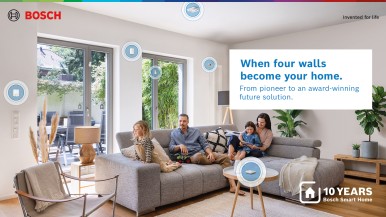
Stuttgart / Berlin – For ten years, Bosch Smart Home has been developing solutions for a connected home designed around residents’ genuine needs. What began as individual smart devices has evolved into a comprehensive system that combines convenience, security, and intuitive everyday control. Bosch Smart Home stands for high quality, reliability, and robust data protection. True to Bosch’s slogan “Invented for life,” the technology delivers real value by making daily life noticeably easier and giving people more time for what truly matters. At IFA 2026, Bosch Smart Home is showcasing innovations that enhance living comfort, make heating more responsive to actual needs, and simplify life via intelligent security features.Home+ gains key new functions The existing optional Home+ service – which already included multisystem control, expanded cloud storage, and intelligent noise detection – has been expanded to include two attractive new indoor climate features: Optimised Heat Distribution and Demand-Optimised Heating. Home+ thus integrates even more key functions for comfort, accurately targeted heating, and system control into a single, expanded service. The price remains unchanged at €4.99 per month. Optimised Heat Distribution for greater efficiency and comfort In many households, heat is not distributed evenly: radiators near the heating circuit pump often receive too much flow, while more distantly situated radiators do not get enough heat. The unwanted consequences are imbalanced temperatures, unnecessary energy consumption, and annoying flow noise within the heating system. This is precisely where the new Bosch Smart Home solution comes in: the Smart Radiator Thermostats II [+M] automate hydronic balancing and continuously optimise heat distribution. The system analyses heating operation in real time to ensure that each radiator consistently receives exactly the required amount of heat. The results are rooms with uniform temperatures, fewer common heating problems (e.g., chilly or overheated rooms), reduced energy consumption, and quieter operation. The solution thus provides long-lasting comfort and efficiency – entirely without manual intervention. Demand-Optimised Heating for intelligent energy management Even with optimal heat distribution, many heating systems consume more energy than is actually required, resulting in inefficient operation. A demand-optimised control system solves this problem by directly connecting individual thermostats to the central heat generator. Linking heat pumps (via Bosch Connect Key K40 or Buderus MX400) with smart radiator thermostats or 230V room thermostats enables predictive heating behaviour. Precise and dynamic adjustment of the flow temperature means heat is generated only when it is actually needed. This achieves optimised heat-pump utilization and accurately targeted energy consumption. Integration into the smart home unlocks further potential for savings: customised schedules and automation routines support demand-based heating control. At the same time, living comfort remains fully supported because each room’s temperature can be set individually and implemented automatically. This makes the entire heating system more efficient, striking a perfect balance between comfort and optimised energy consumption. The whole heating system – even one with multiple heating circuits – can be controlled centrally via a single app, thus ensuring intuitive operation and complete transparency. When paired with a compatible Bosch or Buderus heat pump, the system offers an additional convenient feature: active cooling via underfloor heating on warm days. Additionally, a special version of the Radiator Thermostat II [+M] PRO is available. The model is distributed and installed exclusively by professional installers. With this variant, the Optimised Heat Distribution and Demand-Optimised Heating functions are permanently enabled by default during the installation process. Particularly attractive for end customers: the total costs of this optimisation measure – including hardware and professional installation – are eligible for subsidy under the Federal Funding for Efficient Buildings (BEG) programme. Eyes+: the smart camera upgrade with intelligent person recognition Bosch Smart Home has enhanced its camera portfolio with “Eyes+”, a feature offering intelligent person recognition. This function is available as an add-on service for all Bosch Smart Home indoor and outdoor cameras. Eyes+ automatically distinguishes between known and unknown individuals: it notifies users only in case of truly relevant events, thus preventing a distracting deluge of unnecessary alerts. During the one-time-only setup process, the system captures multiple images of a person’s head from various angles. An algorithm uses these images to generate an encrypted digital feature profile. This data is securely stored in the Bosch Cloud and cannot be reconstructed into an image. The profile serves solely to differentiate between known and unknown persons. Captured images are subsequently deleted, with the exception of a single image retained to display the known person within the app. This supports the accurately targeted filtering of relevant events, thus ensuring that only genuinely important push notifications are sent. A preview image in the app enables users to promptly assess each situation at a glance. In the event of unusual activity, users can react immediately, if necessary, thereby enjoying a greater sense of everyday security. Additionally, Eyes+ provides greater transparency and peace of mind in everyday family life, for example by sending a notification as soon as loved ones arrive home. Ten years of Bosch Smart Home: evolution into an integrated system With its new product launches at IFA 2026, Bosch Smart Home showcases the further development of its system over the past decade: an evolutionary journey from individual connected devices to an integrated, comprehensive solution that optimises comfort and security, thus giving users the confidence of knowing that everything at home is functioning reliably. New capabilities for indoor climate, energy usage, and home security demonstrate how state-of-the-art technology can deliver accurately targeted support and provide genuine value in daily life. For users, this means less effort and more time for what really matters – thanks to a home where they feel truly at ease. Availability and pricing Home+, including the “Optimised Heat Distribution” and “Demand-Optimised Heating” extensions, is available in the Bosch Smart Home app for €4.99 per month (incl. 19% VAT). The Radiator Thermostat II [+M] PRO will be available directly from installers starting in September 2026. The “Eyes+ Intelligent Person Recognition” feature can be added via the Bosch Smart Camera app starting in November 2026 for €2.99 per month (incl. 19% VAT).

Safety and Availability in Everyday Transport: Bosch Expands Brake Program for C ...

11.08.2026

Press release

Mobility Aftermarket

Safety and Availability in Everyday Transport: Bosch Expands Brake Program for C ...

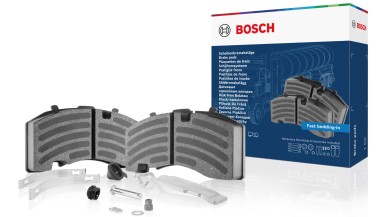
Karlsruhe – Commercial vehicles are on the road every day under demanding conditions. Brake components must function reliably, last as long as possible, and reach their full performance quickly after replacement. With new disc brake pads for trucks, truck trailers, and buses, Bosch is expanding its commercial vehicle program with a solution that combines stable braking performance, cost-effectiveness, and workshop-friendliness. By the end of 2026, Bosch will double the range of the new product line, thereby covering around 90 percent of the commercial vehicle fleet in Europe. This will enable workshops to source suitable Bosch solution for a majority of common vehicles.Balanced for the high demands of everyday transport The new Bosch disc brake pads for commercial vehicles are designed to offer a particularly balanced ratio between a stable friction coefficient, comfort, and wear characteristics. The vehicle owner benefits from consistently stable braking performance, even under heavy use. Longer service life of the brake disc and short break-in period The new brake pads are delivered with a specially roughened surface coating. This allows them to grip the brake disc better from the start, shortening the break-in period and enabling them to reach their full braking power much more quickly. Tested beyond legal requirements To ensure high quality standards, Bosch tests the brake pads in accordance with ISO 26865 and ISO 26866 standards, in addition to the legal requirements. These voluntary tests evaluate factors such as break-in and wear behavior, heat sensitivity, and simulations of downhill driving. For example, the wear behavior test according to ISO 26866 showed that Bosch brake pads can reduce brake disc wear by up to 25 percent* compared to the corresponding original equipment brake pads. This significantly contributes to extending the service life of this valuable spare part. For simple and quick installation, the necessary accessories are already included with the new brake pads. The new program will initially be introduced in Germany, Poland, France, and Turkey; other European countries will follow in stages. *Measured by an independent test institute according to ISO 26866 on a Mercedes-Benz Actros

New Daily Helpers from Bosch

30.07.2026

Press release

Power Tools

New Daily Helpers from Bosch

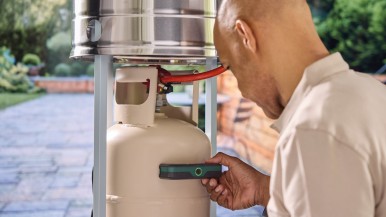
Stuttgart / Leinfelden – Is there enough gas left for the next barbecue? How do I fix the loose chair cushion? And who wants to spend ages cleaning windows? The new Daily Helpers from Bosch solve these everyday questions quickly and easily: The product line includes clever and compact power tools that make life at home easier. New among the Daily Helpers are the Filio gas level detector, the Tweo cordless stapler, and the GlassVac cordless window cleaner. These handy helpers are designed for daily tasks and impress with their compactness, versatility, and ease of use.Filio: Precise level measurement for gas cylinders To ensure the gas cylinder doesn't suddenly run empty at the next barbecue or camping trip, Bosch offers an easy way to measure the fill level with the new Filio and arrange for a replacement in good time. The compact daily helper checks the gas cylinder's fill level using state-of-the-art ultrasound measurement technology. Thanks to integrated magnets, the tool effortlessly adheres to the outside of gas cylinders and automatically aligns itself at a precise 90° angle. The measurement starts directly upon attachment, and the fill level is indicated via a dual indication system. LEDs on the top, a light ring around the trigger button, and an acoustic signal instantly show the result: A green light signals gas, while a red light indicates its absence. Measurement can be restarted by pressing the trigger button. Filio is suitable for all common steel and aluminum gas cylinders with Propane or Butane, with a diameter of 200 to 350mm. Whether for a gas grill, patio heater, or camper: With Filio, users are well-equipped for any adventure. Tweo: Compact stapler for versatile fastening tasks For decorating, crafting projects, or DIY activities, the new Tweo cordless stapler is a compact and versatile helper. As the successor to the PTK 3.6 LI, its cordless design effortlessly fastens fabrics, cardboard, or paper to soft wood surfaces, allowing for flexible work indoors and outdoors. Thanks to the practical BA 4V exchangeable battery, which can be charged directly in the tool via USB, Tweo is ready for use anytime, anywhere. The proven "Push+ Release" system ensures controlled application: A shot is only triggered when the stapler nose is firmly pressed onto the workpiece. This prevents accidental self-triggering and ensures precise results. The ergonomic design makes handling easy, even during longer projects. Practical indicators constantly show the battery and staple fill levels to ensure uninterrupted workflow. With the new multi-page stapler attachment included in the scope of delivery, Tweo becomes even more versatile. It transforms the stapler into a powerful office helper in an instant, effortlessly stapling up to 60 sheets of paper and thus impressing even with office and writing tasks. GlassVac: Useful window cleaner for clear vision The product line is complemented by the GlassVac cordless window cleaner, which ensures streak-free cleanliness. Equipped with patented triple-lip technology from Bosch, it delivers flawless results on windows, mirrors, and tiles. A major advantage over its predecessor is the removable 120mm dirty water tank, which can be emptied quickly and hygienically. In addition, the design allows for unrestricted 360° application – GlassVac therefore cleans in any position, even horizontally or overhead. The cordless tool also runs on a flexible BA 4V exchangeable battery, which can be charged directly in the tool via USB port in approximately two hours. With one battery charge, the cleaner runs for up to 35min, which is sufficient for a cleaning area of around 120m2 – equivalent to about 40 windows. The set includes a spray bottle with a washable microfiber cloth and two exchangeable suction heads with widths of 280 and 140mm. You can find the tool specifications table in the PDF, see “download”. Subject to change.

Hydrogen: New Bosch fuel-cell system begins test operations in Madrid

28.07.2026

Press release

Mobility

Hydrogen: New Bosch fuel-cell system begins test operations in Madrid

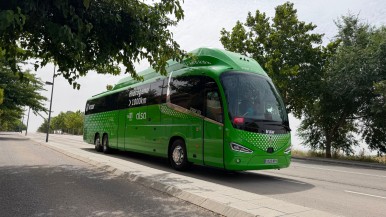
Stuttgart, Germany and Madrid, Spain – In Europe, pressure on urban public transit is mounting: in light of mandatory EU requirements to reduce carbon emissions from city buses by 90 percent by 2030, public transit operators are seeking reliable, emissions-free solutions. To this end, an initial test operation is now launching in Madrid: Equipped with a fuel-cell power module (FCPM) from Bosch, an Irizar bus has been transporting passengers through the Spanish capital for several weeks now. Vehicle operation will focus on routes where the fuel cell’s long range allows it to fully demonstrate its advantages. The operator is the Spanish bus company Alsa. The fuel cell is the perfect complement to battery-electric powertrains – even in bus operations,...says Thomas Pauer, member of the Bosch Mobility sector board and president of Bosch Power Solutions. “Fuel cells are especially well-suited for buses that travel longer distances every day and rarely have the opportunity to charge en route. With this trial, we can clearly demonstrate that Bosch’s fuel-cell technology is ready for the demands of large-scale deployment in passenger transport.” Over the past few weeks, the test vehicle has already undergone extensive testing and received the necessary approval. Day-to-day operation in real conditions will now confirm the robustness and strengths of the fuel-cell powertrain. The test bus is equipped with the FCPM C190 fuel-cell system from Bosch. This compact system is based on a horizontal double stack and delivers a continuous output of 190 kilowatts. With the available hydrogen tank capacity, ranges of over 1,000 kilometers are possible, with refueling times of just 10 to 15 minutes. This means the bus can also be used for intercity service. In addition to the FCPM C190, Bosch also offers the FCPM C300, a system designed for heavy-duty tour buses and trucks. The portfolio is rounded off by the FCPM C100, which, with a continuous power output of 100 kilowatts and a flat design, is the ideal solution for city buses. EU regulations are driving innovation in the bus sector Due to EU regulations, bus operators and city transit companies are increasingly turning to alternatives to diesel engines. In addition to regulations aimed at improving air quality in cities, climate regulations also call for more environmentally friendly powertrain systems. For example, by 2030, carbon emissions of newly registered city buses must be reduced by 90 percent compared to 2019; for all other bus types, this applies from 2040 onward. Vehicles with fuel-cell power modules, which the EU recognizes as zero-emission vehicles, can make an important contribution here. According to the European Automobile Manufacturers’ Association (ACEA), just over 38,000 new buses were registered in the EU in 2025. Bosch technology along the entire hydrogen value chain Bosch is strongly committed to building an H 2 economy, and is developing technical solutions for the production, infrastructure, and use of hydrogen. In 2025, the company announced the launch of its Hybrion PEM electrolysis stack for hydrogen production. Bosch is also working on technology for hydrogen engines and offers corresponding components for port and direct injection. At the end of 2025, a team of developers from Bosch won the German Future Prize, the federal president’s award for technology and innovation, for their development of the mobile fuel cell.