Search & find:
Media, press releases, events for your editorial coverage

Vivalytic Bacterial Meningitis by Bosch: PCR rapid test for medical emergencies

09.01.2025

Press release

Healthcare

Vivalytic Bacterial Meningitis by Bosch: PCR rapid test for medical emergencies

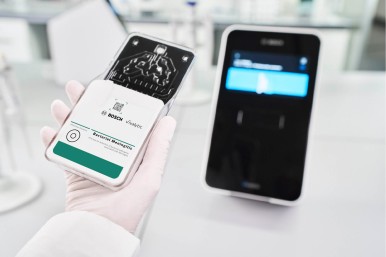
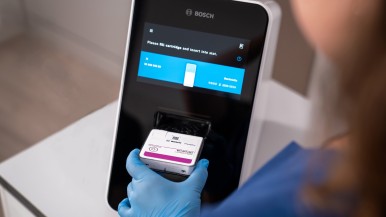
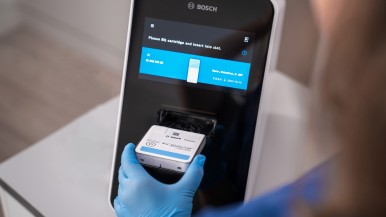
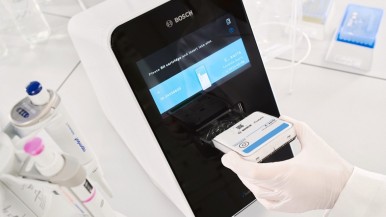
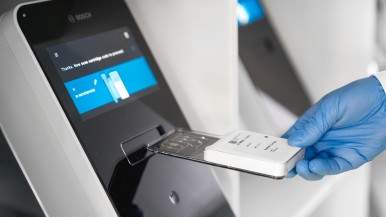
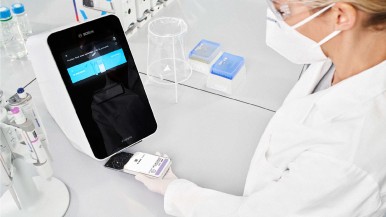
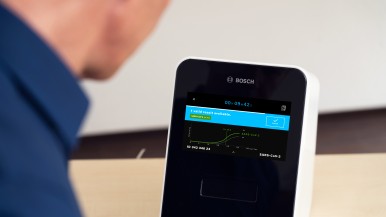
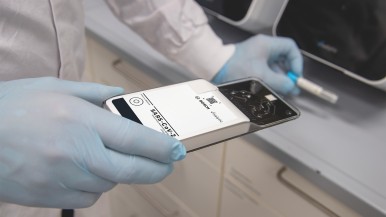
Waiblingen – Bosch Healthcare Solutions (BHCS) has developed a new PCR test Vivalytic Bacterial Meningitis for its Vivalytic analysis platform. The test can detect six important bacterial meningitis pathogens in less than an hour using highly sensitive PCR technology. BHCS is thus expanding its test portfolio to cover an additional critical medical indication. “Bacterial meningitis is an absolute medical emergency,” says Dr. Stefan Zimmermann, Senior Physician at the Center for Infectious Diseases at Heidelberg University Hospital. “To prevent death and permanent damage following meningitis, prompt and targeted antibiotic treatment in the hospital is crucial.” According to the current guideline for adults, antibiotic treatment should commence within one to three hours of arrival at the emergency room 1 . A cerebrospinal fluid (CSF) test with Vivalytic Bacterial Meningitis delivers reliable results within the required timeframe. Bacterial meningitis is an absolute medical emergency. To prevent death and permanent damage following meningitis, prompt and targeted antibiotic treatment in the hospital is crucial. ...Dr. Stefan Zimmermann, Senior Physician at the Center for Infectious Diseases at Heidelberg University Hospital Multiplex PCR test for in-depth and rapid diagnostics The current guideline recommends the use of multiplex PCR tests for suspected bacterial meningitis due to their short analysis time and high sensitivity 1 . With Vivalytic Bacterial Meningitis, test results are available in less than an hour. The test is suitable for all patients with suspected bacterial meningitis. The following pathogens are detected: Neisseria meningitidis Streptococcus pneumoniae Haemophilus influenzae Streptococcus agalactiae Escherichia coli Listeria monocytogenes The Bosch test thus covers the most important bacterial pathogens in all age groups on a single cartridge. Newborns and young infants are particularly at risk from Streptococcus agalactiae, but also from Escherichia coli and Listeria monocytogenes. Older infants, toddlers, and young adults can become infected with Neisseria meningitidis and Streptococcus pneumoniae. Elderly individuals are often affected by Streptococcus pneumoniae 2 . According to the guideline for testing antibiotic susceptibility, PCR tests should be supplemented by a CSF culture. After collecting the CSF, it is recommended to start antibiotic treatment immediately, possibly in combination with dexamethasone 1 . An underestimated danger for millions of people Meningitis is an inflammation of the membranes that surround the brain and the spinal cord. The pathogens often enter the body through the respiratory tract and then spread via the bloodstream 1 . The infection can also be transmitted from neighboring structures, such as in the case of inflammation of the middle ear or paranasal sinuses. Worldwide, 2.5 million people are affected every year, mainly in poorer regions. More than half of the cases affect children under five years of age 3 . The main symptoms include headaches, attention deficits, fever, and a stiff neck. The pathogens can be bacteria, viruses, fungi, or parasites 1 . However, bacterial meningitis is particularly worrying, with one in five cases leading to permanent complications such as hearing loss, brain damage, and seizures 4 . Without immediate treatment, about half of those afflicted will die 5 . Rapid diagnosis and immunization as key elements of WHO 2030 strategy Thanks to the introduction of conjugate vaccines and improved medical care, the global mortality rate from bacterial meningitis has fallen from 32 percent before 1961 to 15 percent after 2010 6 . Pneumococcal vaccines against various serotypes provide good protection against pneumococcal infection 7 . In addition to antibiotics, doctors are increasingly prescribing anti-inflammatory therapies such as dexamethasone, which reduce mortality rates, hearing loss, and neurological complications 8 . The WHO has set itself the goal of eliminating bacterial meningitis worldwide by 2030 9 , among other things by eliminating meningitis epidemics. “Rapid diagnosis using multiplex PCR tests could play a crucial role in this,” says Marc Meier, president of Bosch Healthcare Solutions. While PCR takes a day in the laboratory and culture confirmation requires two days, Vivalytic Bacterial Meningitis delivers results in less than an hour. Vivalytic for simple and intuitive testing The Vivalytic system is intuitive to use and requires only a brief training session for medical staff. The collected sample is placed into a test cartridge, which already contains all necessary reagents. The cartridge is then inserted into the Vivalytic Analyser for automatic processing. The test result is shown on the display in under an hour. The fully automated workflow of the all-in-one platform minimizes the risk of infection for the user. Vivalytic Bacterial Meningitis enables reliable and easy-to-establish diagnostics, even at off-peak times at weekends and in the evenings. BHCS recently obtained CE certification for the Vivalytic Bacterial Meningitis-test. It is now available for order from distribution partners such as Randox Laboratories and R-Biopharm.Sources 1) Pfister H.-W., Klein M. et al., Ambulant erworbene bakterielle Meningoenzephalitis im Erwachsenenalter, S2k-Leitlinie, 2023, in: Deutsche Gesellschaft für Neurologie (Ed.), Leitlinien für Diagnostik und Therapie in der Neurologie. https://dgn.org/leitlinie/ambulant-erworbene-bakterielle-meningoenzephalitis-im-erwachsenenalter (retrieved on 12/17/2024) 2) https://www.msdmanuals.com/de/profi/neurologische-krankheiten/meningitis/akute-bakterielle-meningitis#%C3%84tiologie_v8339873_de (retrieved on 12/17/2024) 3) GBD 2019 Meningitis Antimicrobial Resistance Collaborators. Global, regional, and national burden of meningitis and its aetiologies, 1990-2019: a systematic analysis for the Global Burden of Disease Study 2019. Lancet Neurol. 2023 Aug;22(8):685-711 https://pubmed.ncbi.nlm.nih.gov/37479374/ (retrieved on 12/17/2024) 4) GBD 2019 Diseases and Injuries Collaborators. Global burden of 369 diseases and injuries in 204 countries and territories, 1990-2019: a systematic analysis for the Global Burden of Disease Study 2019. Lancet. 2020 Oct 17;396(10258):1204-1222. doi: 10.1016/S0140-6736(20)30925-9. Erratum in: Lancet. 2020 Nov 14;396(10262):1562. https://pubmed.ncbi.nlm.nih.gov/33069326/ (retrieved on 12/17/2024) 5) https://www.who.int/news-room/fact-sheets/detail/meningitis (retrieved on 12/17/2024) 6) van Ettekoven CN, Liechti FD, Brouwer MC, Bijlsma MW, van de Beek D. Global Case Fatality of Bacterial Meningitis During an 80-Year Period: A Systematic Review and Meta-Analysis. JAMA Netw Open. 2024 Aug 1;7(8):e2424802. https://pubmed.ncbi.nlm.nih.gov/39093565/ (retrieved on 12/17/2024) 7) https://www.rki.de/DE/Content/Infekt/Impfen/Materialien/Faktenblaetter/Pneumokokken.pdf?__blob=publicationFile (abgerufen am 17.12.2024) 8) Brouwer MC, McIntyre P, Prasad K, van de Beek D. Corticosteroids for acute bacterial meningitis. Cochrane Database of Systematic Reviews 2015, Issue 9. Art. No.: CD004405. https://pubmed.ncbi.nlm.nih.gov/26362566/ (retrieved on 12/17/2024) 9) https://www.who.int/initiatives/defeating-meningitis-by-2030 (retrieved on 12/17/2024) Bosch Healthcare Solutions on social media YouTube: https://www.youtube.com/@boschhealthcaresolutions LinkedIn: https://www.linkedin.com/company/bosch-healthcare-solutions/ Distribution partners for Vivalytic: https://www.bosch-vivalytic.com/vertrieb/

Near-patient PCR rapid test for whooping cough for Vivalytic by Bosch now available

03.09.2024

Press release

Healthcare

Near-patient PCR rapid test for whooping cough for Vivalytic by Bosch now available

Waiblingen – Bosch Healthcare Solutions (BHCS) has introduced a new PCR test Vivalytic Bordetella, expanding the Vivalytic analysis platform’s capabilities to include whooping cough. This test can specifically detect the three major whooping cough pathogens Bordetella pertussis, B. parapertussis , and B. holmesii in under an hour. BHCS is expanding its test portfolio for “respiratory diseases” to include “pertussis” diagnosis, just in time for the upcoming cold and flu season. The triple test, unique in its composition of pathogens, allows for rapid diagnosis in local healthcare facilities. Previously, such pathogens were only detectable in larger test panels. “Vivalytic Bordetella is our response to the rising number of pertussis cases in Germany. Pertussis poses a significant risk, particularly to infants, the elderly, and individuals with pre-existing health conditions, necessitating rapid diagnosis,” says Marc Meier, president of Bosch Healthcare Solutions. Whereas PCR testing in a central laboratory requires one day and culture detection takes three to seven days 1 , Vivalytic Bordetella provides results in under an hour. The new test is available for immediate order through distribution partners such as Randox Laboratories and R-Biopharm. Vivalytic Bordetella is our response to the rising number of pertussis cases in Germany. Pertussis poses a significant risk, particularly to infants, the elderly, and individuals with pre-existing health conditions, necessitating rapid diagnosis...Marc Meier, president of Bosch Healthcare Solutions Rapid diagnosis is crucial for prompt treatment Pertussis typically starts with mild cold-like symptoms, including a slight cough, sneezing, a runny nose, and possibly a moderate fever. 2 The characteristic staccato cough then develops, sometimes accompanied by wheezing, thick mucus, and vomiting. 2 Over 90% of patients under three months old and about 10% of those over 65 years old require hospitalization. Pertussis is especially hazardous for infants, for whom it can be life-threatening. 3 “Prompt treatment is crucial for Bordetella infections, as the course and severity of the cough can only be mitigated if antibiotic therapy begins early. Moreover, initiating antibiotic treatment promptly and specifically can halt the disease’s transmission by breaking the infection chain,” says Dr. Stefan Zimmermann of Heidelberg University Hospital. Moreover, two-thirds of pertussis cases occur in adolescents and adults. In these individuals, the infection may not present with the characteristic coughing fits. 2 These factors underscore the importance of rapid near-patient testing. The Vivalytic Bordetella test is an excellent option for this. Prompt treatment is crucial for Bordetella infections, as the course and severity of the cough can only be mitigated if antibiotic therapy begins early. Moreover, initiating antibiotic treatment promptly and specifically can halt the disease’s transmission by breaking the infection chain...Dr. Stefan Zimmermann, Heidelberg University Hospital Rising case numbers make the case for rapid testing In Germany, pertussis case numbers have increased for the second consecutive year in 2024. By the end of July, the Robert Koch Institute (RKI) had been notified of over 11,000 cases. 4 Germany, along with Poland and Austria, reports some of the highest case numbers. 5 The surge is attributed to diminished immunity from coronavirus protection measures and a reduced vaccination rate against pertussis. The trend is therefore expected to persist. Whooping cough is extremely contagious. Triggers such as cold air, exertion, or cigarette smoke can induce a dry, tickly cough even months after the coughing fits have subsided. Prompt antibiotic treatment can reduce the duration of the illness. 2 Comprehensive testing for all pertussis pathogens Typically, B. pertussis triggers the infection, releasing a toxin that harms the respiratory tract’s mucous membrane. In recent years, B. parapertussis has been responsible for around ten percent of all infections, which tend to be milder as this pathogen does not produce a toxin. 2 Since late 2022, the RKI has noted a surge in B. parapertussis infections, now accounting for over 50 percent of cases, with increased virulence. 6 This rise may be attributable to a catch-up effect post-COVID-19 pandemic, more frequent testing, and the absence of an effective vaccine. 7 B. holmesii , the third pathogen tested, is less virulent than B. pertuss is 2 and typically causes milder, shorter-lasting pertussis-like symptoms. Vivalytic Analyser enables rapid diagnosis in a remote testing environment The Vivalytic Analyser allows for quick and easy testing for B. pertussis , B. parapertussis and B. holmesii directly in the medical practice. The system is user-friendly and requires only a brief training session for medical staff. The collected sample is placed into a test cartridge, which already contains all necessary reagents. The cartridge is then inserted into the Vivalytic Analyser for automatic processing. The test result is shown on the display. The fully automated process and the use of a deactivating sample medium significantly lower the risk of infection for the user. The Vivalytic Analyser thus facilitates rapid and precise diagnostics in PCR quality, bypassing the frequently lengthy process through a central laboratory. Bosch Healthcare Solutions recently obtained CE certification for the new Vivalytic Bordatella test.Sources 1) https://www.ecdc.europa.eu/en/publications-data/bordetella-pertussis-laboratory-diagnosis-and-molecular-surveillance , retrieved on 07/24/2024 2) https://www.rki.de/DE/Content/Infekt/EpidBull/Merkblaetter/Ratgeber_Pertussis.html#doc2374534bodyText7 , retrieved on 07/24/2024 3) https://www.impfen.de/impfungen/keuchhusten/#gefahr , retrieved on 07/24/2024 4) https://www.nali-impfen.de/monitoring-daten/krankheitsfaelle-in-deutschland/keuchhusten-pertussis/ , retrieved on 07/24/2024 5) https://www.ecdc.europa.eu/en/publications-data/pertussis-annual-epidemiological-report-2021 , https://www.ecdc.europa.eu/en/publications-data/pertussis-annual-epidemiological-report-2022 , retrieved on 07/24/2024 6) https://www.rki.de/DE/Content/Infekt/EpidBull/Archiv/2023/33/Art_01.html retrieved on 07/24/2024 7) https://www.aerzteblatt.de/archiv/234049/Robert-Koch-Institut-Zunahme-von-Keuchhusten-durch-B-parapertussis , retrieved on 07/24/2024Bosch Healthcare Solutions on social media YouTube: https://www.youtube.com/@boschhealthcaresolutions LinkedIn: https://www.linkedin.com/company/bosch-healthcare-solutions/ Distribution partners for Vivalytic: https://www.bosch-vivalytic.com/en/distribution/

PCR rapid test for 3 important gastroenteritis pathogens for Vivalytic by Bosch  ...

18.07.2024

Press release

Healthcare

PCR rapid test for 3 important gastroenteritis pathogens for Vivalytic by Bosch ...

Waiblingen, Germany – Bosch Healthcare Solutions has introduced a new PCR test for C. difficile, norovirus, and rotavirus, expanding the Vivalytic analysis platform’s capabilities to include gastroenteritis. This innovative test can simultaneously and automatically detect these 3 major diarrhea pathogens in under an hour right on site. Unlike previous tests that either included these pathogens in a larger panel or tested for each individually, this triple test is the first of its kind. The new Vivalytic test is available through distribution partners such as Randox Laboratories and R-Biopharm. “We developed this test so that medical practices and clinics can identify the cause of gastroenteritis more quickly and respond appropriately: with the right treatment and measures to prevent further spread and infection," explains Marc Meier, president of Bosch Healthcare Solutions. Due to transportation and limited test availability, the complete detection of C. difficile can take up to several days. We developed this test so that medical practices and clinics can identify the cause of gastroenteritis more quickly and respond appropriately: with the right treatment and measures to prevent further spread and infection....Marc Meier, president of Bosch Healthcare Solutions Rapid diagnosis is crucial for correct treatment Gastroenteritis is one of the most common reasons for visiting a doctor’s practice or clinic, especially among children and older adults. The bacterium Clostridioides (formerly Clostridium) difficile is the main cause of nosocomial diarrheal diseases, which are associated with a relatively high mortality rate. To prevent life-threatening outcomes, an infection must be diagnosed quickly and treated effectively, emphasizes Zimmermann. According to the Robert Koch Institute (RKI), however, C. difficile is still under-tested. 1 Rapid and accurate diagnosis of the pathogen is crucial to initiate the right treatment, prevent potential complications, and bring the infection under control...says Dr. Stefan Zimmermann, Senior Physician at the Center for Infectious Diseases at Heidelberg University Hospital. In addition, other pathogens can also cause diarrhea, making a more comprehensive diagnosis, such as the Vivalytic test for norovirus, rotavirus, and C. diff. sensible. The Vivalytic Analyser from Bosch Healthcare Solutions supports rapid sample processing, which is particularly important for C. difficile, as the toxin may no longer be detectable at room temperature within two hours. Rapid sample processing is therefore recommended by the RKI. 2 Risk factors and effects of Clostridioides difficile infections Clostridioides difficile (C. difficile) infections cause gastrointestinal complications, especially during and after antibiotic therapy, and are particularly prevalent in older, multimorbid individuals. Risk factors include advanced age, underlying gastrointestinal diseases, prolonged hospital stays, and immunosuppression. The incidence of C. difficile infections has risen in recent decades due to demographic aging, increased comorbidity, and multimedication. In addition, more virulent C. difficile strains lead to more severe courses of disease. Recently, an increase in community-acquired C. difficile infections has been observed in young, healthy patients without recognizable risk factors. Mortality averages one to two percent, but it is significantly higher in older patients with comorbidities and in intensive care units. This makes meaningful, rapid testing for C. difficile all the more important, and with the new Vivalytic PCR test from Bosch Healthcare Solutions now quickly possible. Rotavirus and norovirus, especially in children and the elderly Preventing outbreaks of viral gastroenteritis, such as those caused by rotavirus and norovirus, in hospitals is crucial. Differentiating these viruses from other pathogens such as C. difficile is essential for effective management. Noroviruses are responsible for the majority of non-bacterial gastroenteritis cases, affecting approximately 30 percent of children and up to 50 percent of adults.³ Children under five and adults over 70 are particularly vulnerable. Rotaviruses are highly infectious, with as few as 10 to 100 virus particles capable of causing an infection. They are the most common cause of viral intestinal infections in children aged six months to two years.4 Just 10 virus particles can be enough to infect a child. The incidence of rotavirus infections increases again in people over 60 years of age. According to RKI reporting data, 35 percent of reported rotavirus infections in this age group require hospital treatment. Vivalytic Analyser enables rapid diagnosis at the point of care The Vivalytic Analyser allows for quick and easy testing for C. difficile, norovirus, and rotavirus directly at the point of care. The system is user-friendly and requires only a brief training session for medical staff. The collected sample is placed into a test cartridge, which already contains all necessary reagents. The cartridge is then inserted into the Vivalytic Analyser for automatic processing. The test result is shown on the display. The fully automated process significantly lowers the risk of infection for the user. The Vivalytic Analyser thus facilitates rapid and precise diagnostics in PCR quality, bypassing the frequently lengthy process through a central laboratory. Bosch Healthcare Solutions recently obtained CE certification for 3 versions of its new gastroenteritis test: Vivalytic C. difficile, Vivalytic norovirus and the triple test Vivalytic norovirus, rotavirus, C. diff. This is a press release for journalists. Under no circumstances does it replace a consultation or recommendation by a medical practitioner.Sources 1) Hygienemaßnahmen bei Clostridioides difficile-Infektion (CDI), Empfehlung der Kommission für Krankenhaushygiene und Infektionsprävention (KRINKO) beim Robert Koch-Institut Bundesgesundheitsbl 2019, 62: 906-923. 2) RKI Ratgeber C. difficile https://www.rki.de/DE/Content/Infekt/EpidBull/Merkblaetter/Ratgeber_Clostridium.html, retrieved on 07/15/2024 3) RKI Ratgeber Noroviren https://www.rki.de/DE/Content/Infekt/EpidBull/Merkblaetter/Ratgeber_Noroviren.html, retrieved on 07/15/2024 4) RKI Ratgeber Rotaviren https://www.rki.de/DE/Content/Infekt/EpidBull/Merkblaetter/Ratgeber_Rotaviren.html, retrieved on 07/15/2024 Bosch Healthcare Solutions on social media YouTube: https://www.youtube.com/@boschhealthcaresolutions LinkedIn: https://www.linkedin.com/company/bosch-healthcare-solutions/ Distribution partners for Vivalytic: https://www.bosch-vivalytic.com/en/distribution/

PCR rapid test for Candida auris for Vivalytic by Bosch now available

16.05.2024

Press release

Healthcare

PCR rapid test for Candida auris for Vivalytic by Bosch now available

Waiblingen – Bosch Healthcare Solutions has developed a PCR test for detecting Candida auris (C. auris) on the Vivalytic platform. The test is a global innovation now available for order from distribution partners including Randox Laboratories Ltd. and R-Biopharm. This test enables the fully automated detection of the frequently multi-resistant fungus in less than an hour at the point of care. The rapid testing capability also makes it suitable for carrying out screenings when necessary. In contrast, traditional culture tests in centralized laboratories require one to three days 1 , delaying diagnosis and the initiation of targeted treatment. “Considering the heightened risk of severe progression in individuals with pre-existing conditions, we have developed a new test that enables clinics to respond more swiftly,” states Marc Meier, managing director of Bosch Healthcare Solutions. Patients with compromised immune systems, such as those in intensive care, individuals with serious underlying conditions such as diabetes, or those who are immunosuppressed due to cancer or HIV, as well as patients about to undergo invasive surgery, face a heightened risk of active infection with C. auris. The mortality rate for C. auris infections ranges from 30 to 72 percent². Considering the heightened risk of severe progression in individuals with pre-existing conditions, we have developed a new test that enables clinics to respond more swiftly....Marc Meier, managing director of Bosch Healthcare Solutions “Candida auris can be transmitted from person to person through contact and contaminated surfaces. When this fungus presents, rapid detection is therefore paramount to enable implementation of effective control and prevention strategies,” says Dr. med. Alexander Maximilian Aldejohann, deputy head of the Würzburg Laboratory at the National Reference Center for Invasive Fungal Infections (NRZMyk.) Since July 2023, Germany has implemented a limited statutory reporting requirement under the Infection Protection Act. Aldejohann is in favor of extending this reporting obligation: “The fungus has the capacity to rapidly develop resistance to many common antifungal agents coupled with the ability to survive for a relatively long time on surfaces. This high so-called tenacity also increases the risk of outbreaks that are difficult to contain.” Candida auris can be transmitted from person to person through contact and contaminated surfaces. When this fungus presents, rapid detection is therefore paramount to enable implementation of effective control and prevention strategies....Dr. med. Alexander Maximilian Aldejohann, deputy head of the Würzburg Laboratory at the National Reference Center for Invasive Fungal Infections (NRZMyk) Increasing spread of Candida auris C. auris is spreading globally. In some states in the U.S., the annual incidence rate has been shown to increase by a factor of 2 to 3.³ The Robert Koch Institute (RKI) also drew attention to a rise in cases within Germany during the past year in the Epidemiological Bulletin 4 at the beginning of May. The RKI points out that in specific areas screening could be beneficial. In the U.S., the annual case count has in the meantime reached the thousands. The Centers for Disease Control and Prevention (CDC) already consider the screening of patients, visitors, and staff for C. auris as a crucial strategy to curb its spread in healthcare settings. 5 While the fungus is harmless for healthy individuals, it can lead to severe nosocomial infections, i.e. infections acquired in hospitals or other healthcare environments, in patients at high risk and, if the fungus enters the bloodstream, can trigger sepsis. Easy handling, rapid detection The Vivalytic Analyser enables effortless testing directly at the point of care: The sample is placed into the test cartridge, which already contains all necessary reagents. The cartridge is then inserted into the Vivalytic Analyser for automated processing. Healthcare professionals require only minimal training to use the system, and the fully automated process significantly lowers the risk of infection. The Vivalytic Analyser thus facilitates rapid and precise diagnostics in PCR quality, bypassing the frequently lengthy process through a central laboratory. Bosch Healthcare Solutions is expecting CE certification for the Vivalytic C. auris test soon. This is a press release for journalists. Under no circumstances does it replace a consultation or recommendation by a medical practitioner.Sources 1) Leonhard, S. E., Chong, G. M., Foudraine, D. E., Schaftenaar, E., Klaassen, C. H. W., & Severin, J. A. (2024). Proposal for a screening protocol for Candida auris colonization. The Journal of Hospital Infection. https://doi.org/10.1016/j.jhin.2023.12.019 (retrieved on 05/10/2024). 2) Sikora A, Hashmi MF, Zahra F. Candida auris. [Updated 2023 Aug 28]. In: StatPearls [Internet]. Treasure Island (FL): StatPearls Publishing; 2024 Jan-. Available from: https://www.ncbi.nlm.nih.gov/books/NBK563297/ (retrieved on 05/10/2024). 3) Centers for Disease Control and Prevention (CDC): Tracking Candida auris. https://www.cdc.gov/fungal/candida-auris/tracking-c-auris.html (retrieved on 05/10/2024). 4) Aldejohann AM, Hecht J, Martin R, Walther G, Kurzai O: Zunahme von Candida Auris in Deutschland im Jahr 2023. Epid Bull 2024;18:3-7 | DOI 10.25646/12004 https://www.rki.de/DE/Content/Infekt/EpidBull/Archiv/2024/Ausgaben/18_24.pdf?__blob=publicationFile (retrieved on 05/10/2024). 5) Centers for Disease Control and Prevention (CDC): Screening for Candida auris colonization in healthcare settings. https://www.cdc.gov/fungal/candida-auris/c-auris-screening.html (retrieved on 05/10/2024). Bosch Healthcare Solutions on social media YouTube: https://www.youtube.com/@boschhealthcaresolutions LinkedIn: https://www.linkedin.com/company/bosch-healthcare-solutions/ Distribution partners for Vivalytic: https://www.bosch-vivalytic.com/vertrieb/Explore more Growth through medical technology: Bosch and Randox invest heavily in the Vivalytic analysis platform. Additional partnership in medical technology: Bosch and R-Biopharm to strengthen Vivalytic analysis platform.

Additional partnership in medical technology: Bosch and R-Biopharm to strengthen ...

18.04.2024

Press release

Healthcare

Additional partnership in medical technology: Bosch and R-Biopharm to strengthen ...

Darmstadt, Gerlingen, and Waiblingen, Germany – The market for medical technology is innovative, dynamic, and growing. Bosch sees medical technology as a strategic growth field and intends to expand its Bosch Healthcare Solutions subsidiary, based in Waiblingen. Bosch has now entered into a new partnership with the German diagnostics solutions company R-Biopharm. This partnership will be focused on Bosch’s universal, fully automated Vivalytic molecular diagnostic analysis platform. The two companies will invest a total of 150 million euros by the end of the decade. Within their strategic development and distribution partnership, the partners intend to develop new in vitro diagnostic tests 1 for the Vivalytic platform – including a PCR test 2 for multiresistant bacteria based on the innovative Bosch BioMEMS technology. They are also looking to strengthen their marketing operations.“We are expanding in medical technology, a market we have defined as a strategic growth field. The fact that we can apply our many years of expertise and experience in the research and development of microchips, molecular diagnostics, and miniaturization, as well as our manufacturing know-how, makes this an attractive prospect for us,” says Stefan Hartung, chairman of the Bosch board of management. “In medical technology, partnership models are a useful way of shortening product cycles and opening up distribution channels in this dynamic, innovative market,” he adds. Point-of-care molecular diagnostics is expected to become a market worth billions. Bosch Healthcare Solutions and R-Biopharm aim to achieve sales in the medium nine-figure range by 2030. The R-Biopharm Group, based in Darmstadt, Germany, has many years of expertise in clinical and food diagnostics. In addition, the company has well-established sales channels worldwide and knowledge of the relevant markets. “Our partnership with Bosch Healthcare Solutions marks a significant milestone in the implementation of the R-Biopharm Group’s growth strategy in the field of clinical diagnostics,” says Dr. Frank Apostel, Chief Operating Officer Clinical Diagnostics and Nutrition Care at R-Biopharm. “Together, we will work toward the goal of offering excellent products and solutions that can play a major part in combating diseases and developing medicines,” he adds. Partnership goals: develop new PCR tests and strengthen sales One development goal within the ten-year partnership is a test for multiresistant gram-negative (MRGN) bacteria 3 , which is to be implemented using Bosch’s innovative, novel BioMEMS technology. The healthcare system faces the challenge of coping with an increasing number of diseases caused by multiresistant bacteria: in 2019, antimicrobial resistance had a hand in 4.95 million deaths worldwide, and each year, 670,000 infections caused by antibiotic-resistant bacteria occur in Europe 4 . In recent years, these bacteria have become a problem in hospitals – which administer particularly large quantities of antibiotics in the course of treating patients. In addition to the health risks, the financial burden of hygiene and quarantine measures in the healthcare sector should not be underestimated. Vivalytic: even faster and more efficient with Bosch BioMEMS technology As compact as a desktop computer tower, the universal, fully automatic Vivalytic Analyser is a platform for which various manufacturers can quickly and easily adapt and implement tests. The test cartridges already contain all the necessary reagents. “You could say we’ve shrunk a laboratory down to the size of a smartphone,” says Marc Meier, president of Bosch Healthcare Solutions. “BioMEMS technology makes our Vivalytic platform even faster and more efficient, since this high-performance silicon chip, developed and manufactured by Bosch, enables fully automatic, simultaneous testing of up to 250 genetic characteristics such as pathogens in a single test cartridge, in some cases in less than 15 minutes,” he adds. “This marks the entry of Bosch and its partners into nanofluidics, which processes very small quantities of liquids in the nanoliter range.” This further miniaturization underscores the advantages of the Vivalytic platform: its compact size enables fast and targeted diagnostics directly at the point of sample collection – either at the doctor’s office or in the hospital – without the frequently time-consuming detour via a central laboratory. Medically trained specialists can carry out the PCR tests without special laboratory training. The two companies want to develop further PCR tests to detect tuberculosis and determine any drug resistance. A few days ago, Bosch announced its first partnership with the Northern Irish medical technology company Randox Laboratories Ltd. By the end of the decade, Bosch and its two partners will have invested some 300 million euros in the further development of the Vivalytic analysis platform.1 In in vitro diagnostic tests, samples such as blood or saliva are taken from the human body to be analyzed. 2 PCR tests are a standard procedure for detecting pathogens such as viruses. The test is based on a biochemical reaction known as the polymerase chain reaction (PCR), which replicates the virus’s DNA, making it possible to detect viruses even if only a few pathogens are present. The resulting high level of sensitivity means that PCR tests can detect the virus with a high degree of accuracy. PCR tests also have a high specificity, meaning they can test specifically for one particular virus. 3 Multiresistant gram-negative (MRGN) bacteria is a collective term for a large group of different bacteria, including Escherichia coli and Klebsiella pneumoniae. 4 https://www.bfarm.de/DE/Aktuelles/Blog/_docs/2021-11-18-antibiotikaresistenzen.html .Explore more PCR rapid test for Candida auris for Vivalytic by Bosch now available. Growth through medical technology: Bosch and Randox invest heavily in the Vivalytic analysis platform.

Growth through medical technology: Bosch and Randox invest heavily in the Vivaly ...

10.04.2024

Press release

Business/economy

Growth through medical technology: Bosch and Randox invest heavily in the Vivaly ...

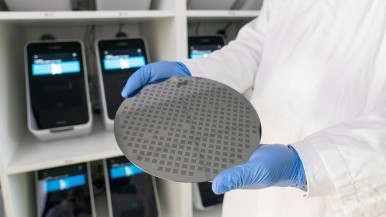
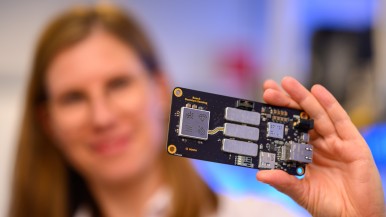
Crumlin, Northern Ireland / Gerlingen and Waiblingen, Germany – With many diseases, every minute counts, and determining whether a patient is presenting the symptoms of a simple cold, the flu, or something as severe as life-threatening meningitis is usually only possible after time-consuming and expensive laboratory diagnostics. With its Vivalytic analysis platform, Bosch has set itself the goal of making fast and highly precise diagnostics accessible at the point of care – and aims to use molecular diagnostics to become a leading provider in the market by 2030. To achieve this, Bosch has now agreed on a strategic partnership with Randox Laboratories Ltd., a leading diagnostic and medical technology company. The two companies will invest around 150 million euros in joint research, development, and sales activities for new tests for the Vivalytic analysis platform provided by Bosch Healthcare. One goal is the development of a sepsis IVD 1 grade test that will be the first to feature highly innovative and novel BioMEMS technology.Bosch has defined medical technology as a strategic growth field. Point-of-care molecular diagnostics is expected to become a future market worth billions. And with its Vivalytic analysis platform, Bosch aims to achieve a leading position in this market. “With cutting-edge technology from our own labs and our own production lines, we want to grow long-term together with partners in the field of precision diagnostics,” says Stefan Hartung, chairman of the Bosch board of management. “Here, our medical technology can draw considerable benefit from our diversification, from our expertise, from the groundwork we have done in automation, miniaturization, molecular diagnostics, and from our experience in microchip development and manufacturing,” Hartung adds. “We are investing long-term in an exciting high-tech growth field and continuously developing it together with partners. With technology ‘Invented for life’, we can relieve the burden on medical professionals and help make the diagnose and treatment of disease faster”. With cutting-edge technology from our own labs and our own production lines, we want to grow long-term together with partners in the field of precision diagnostics.... Stefan Hartung, chairman of the Bosch board of management Shared growth: decentralized diagnostics at the point of care Bosch Healthcare Solutions and Randox are now joining forces in an attempt to accelerate the development and market launch of new tests and to make distribution channels more efficient. The partnership is set to run for more than ten years. With Vivalytic, the two companies aim to achieve sales in the medium nine-figure range by 2030. “Globally, healthcare is moving toward decentralized and personalized diagnostics, that enable rapid interventions and individual treatment plans,” says Marc Meier, managing director of Bosch Healthcare Solutions GmbH. “With our partner Randox, we want to further expand the test portfolio of our Vivalytic analysis device. Our fully automated molecular-diagnostic PCR tests provide clarity directly at the site of sample collection, shorten waiting times, and take the strain off the healthcare system,” Meier adds. Globally, healthcare is moving toward decentralized and personalized diagnostics, that enable rapid interventions and individual treatment plans....Marc Meier, managing director of Bosch Healthcare Solutions GmbH The two partners are a good fit: Bosch can contribute its technology and manufacturing expertise across the fields of molecular diagnostics, microchip development and manufacturing, and miniaturization. The universal Vivalytic platform for molecular diagnostics was developed in over ten years by Bosch researchers and brought to market maturity by Bosch Healthcare Solutions. Randox has 40 years of experience in the design and development of highly sensitive IVD tests performed on a variety of technologies, including microfluidic platforms. In combination with the company’s extensive market knowledge and global sales and distribution network, this adds up to considerable opportunities for growth. “Randox has always been committed to improving health worldwide and sees the need to invest in research and development initiatives that will support clinical decision making across a variety of disease areas. Diagnostics has always been an indispensable component of healthcare, and the alignment of both science and technology makes for the perfect fit in an area for high potential impact, especially in pressure-driven environments,” says Dr. Peter Fitzgerald, Managing Director of Randox Laboratories Ltd. Bosch Healthcare Solutions and Randox already collaborated during the Covid-19 pandemic. In spring 2020, Bosch launched one of the world’s first fully automated PCR tests for the SARS-CoV-2 coronavirus. Together with Randox, the rapid test for use in doctor’s offices, nursing homes, testing stations, and hospitals was made ready for the Vivalytic analysis device within the space of just a few weeks. Development goal: sepsis test based on BioMEMS technology One focus of the development partnership with Randox is the implementation of a highly sensitive multiplex 2 test for sepsis on the Vivalytic analysis platform. Sepsis, also known as “blood poisoning,” is a potentially life-threatening complication 3 that can occur in conjunction with various infectious diseases. A medical emergency that can lead to multiple organ failure, it requires immediate medical treatment. The planned IVD grade sepsis test is to be based for the first time on the highly innovative and novel BioMEMS technology developed by teams from Bosch corporate research in Renningen and Bosch Healthcare Solutions in Waiblingen. “We have set ourselves the ambitious goal of adding the functions of a high-performance silicon chip based on microsystems technology to our test cartridges for the Vivalytic platform. In doing so, we will combine Bosch’s unique expertise in the areas of MEMS chips, molecular diagnostics, and microfluidics,” Marc Meier says. “Clinical outcomes in sepsis depend on timely diagnosis and appropriate early therapeutic intervention. Current methods of sepsis diagnosis are insufficient and time-consuming. With over 10 years of experience in the field of infectious diseases diagnostics, we aim to develop a state-of-the-art sepsis test using the highly multiplexing BioMEMS technology. Such a test could revolutionize sepsis diagnosis, ultimately leading to improved treatment outcomes and lower mortality rates from this life-threatening condition,” says Dr. Peter Fitzgerald. Smaller and faster: from microfluidics to nanofluidics – thanks to BioMEMS The powerful BioMEMS chip adds a further innovative analysis method to the Vivalytic test cartridge, enabling it to test simultaneously and significantly faster for a large number of different pathogens. It is called BioMEMS because it combines microelectromechanical systems (MEMS) with microfluidics for applications in the field of medical technology. In microfluidics, very small amounts of fluid in the microliter range are moved in a very small space. Miniaturization allows qualitative biochemical polymerase chain reactions (PCR) to run in parallel in real-time on a single BioMEMS chip. “Compared to previous PCR reactions, the volumes of liquids are reduced by a factor of 1,000 to the nanoliter range. The analysis of liquids is left to a small microchip,” Marc Meier explains. With the new BioMEMS technology, fully automatic testing of up to 250 genetic characteristics 4 (e.g. pathogens) in one cartridge is possible in less than 15 minutes in some cases. The test cartridge is a highly complex laboratory the size of a smartphone, so to speak. Another future advantage of BioMEMS will be simpler and faster adaptation of new tests or existing tests on the chip itself. For example, existing tests can easily be expanded to include additional features. “The BioMEMS technology paves the way for us to move into nanofluidics, where each pathogen will be examined in a reaction vessel the thickness of a hair,” Meier says. To achieve this, Bosch wants to create more capacity on a MEMS chip and expand it what are known as “nanocavities”. Thanks to these very small cavities, even more biochemical processes will be able to run in parallel on a chip. With increasing miniaturization, the technology has potential to be used in oncology as well over the long term. The BioMEMS chips are to be manufactured at the Bosch semiconductor plant in Reutlingen, with bio-integration and cartridge assembly to be carried out at Bosch Healthcare Solutions in Waiblingen. The BioMEMS technology paves the way for us to move into nanofluidics, where each pathogen will be examined in a reaction vessel the thickness of a hair....Marc Meier, managing director of Bosch Healthcare Solutions GmbH Vivalytic platform: easy application at the point of sample collection The advantages of carrying out PCR tests on the Bosch Vivalytic platform lie not only in speedy analysis, but also in the ease of use: Once the sample has been taken, it is placed in the test cartridge. The cartridge, which contains all the necessary reagents for the respective test, is then inserted into the Vivalytic analyser for automated evaluation. Medical staff require only brief training on how to operate it. This enables fast and targeted diagnostics directly at the point of sample collection – either at the doctor’s office or in the hospital – without the often long and time-consuming detour via a central laboratory. Bosch Healthcare Solutions already distributes various tests for diseases of the upper and lower respiratory tract, such as SARS-CoV-2 – also as a pooling variant and as a saliva test – or a test to differentiate between SARS-CoV-2, RSV virus and influenza. There are also tests for pathogens that cause sexually transmitted infections (STI) and MRSA / SA (“hospital germ”). Starting in summer, it is planned to expand the portfolio with tests for whooping cough (Bordetella holmesii, Bordetella parapertussis, and Bordetella bronchiseptica), urinary tract infections (UTI), bacterial meningitis, the two most common sexually transmitted diseases (Chlamydia trachomatis; CT and Neisseria gonorrhoeae; NG), fungal infections (Candida auris), and three tests for diarrheal diseases (norovirus, Clostridioides difficile, HSP).1 In in vitro diagnostic tests, samples such as blood or saliva are taken from the human body to be analyzed. 2 High-multiplex test means that a PCR test can test for a large number of pathogens simultaneously. In comparison, a multiplex test can detect up to 50 pathogens and a lowplex / single test up to 10 pathogens. 3 With around 50 million cases of sepsis and 11 million fatalities per year, sepsis is responsible for around 20 percent of all fatalities worldwide. [https://pubmed.ncbi.nlm.nih.gov/31954465/]. 4 Genetic characteristics can be used to detect pathogens such as viruses, bacteria, fungi and parasites, as well as their resistance to drugs, or to identify genetic mutations in tumors.Explore more PCR rapid test for Candida auris for Vivalytic by Bosch now available.


Quantum technologies: Bosch aims to use sensors to take a leading position

05.10.2023

Press release

Electrified mobility

Quantum technologies: Bosch aims to use sensors to take a leading position

Stuttgart, Germany – Quantum technologies have great potential, but most of this potential is still a distant dream at present. Following ten years of research in this field, Bosch is now planning to work with the first pilot customers in the medical and mobility industries on specific applications over the next two years. At the startup Bosch Quantum Sensing, established at the beginning of 2022, some 30 associates are currently focusing on this. Bosch estimates the annual global market potential of applications for medicine and mobility will reach the mid-single-digit billions by the middle of the next decade. One potential area of application for quantum sensors, the brain-computer interface (BCI), will on its own be worth more than five billion dollars annually in the long term, according to the company’s calculations. One example of its future use is sensors that record nerve impulses in order to control artificial limbs and thus improve patients’ quality of life. “The quantum sensors we are creating in medical technology are a perfect fit for our ‘Invented for life’ ethos. By the end of the decade, we want to take a leading position with our technology,” says Dr. Stefan Hartung, chairman of the Bosch board of management.Small is beautiful: Bosch is a leader in miniaturization When it comes to size, the technology company is already a frontrunner: in terms of its measurement accuracy, the Bosch sensor prototype is the smallest currently available – about the size of a cell phone. Its compact design offers considerable advantages wherever space is at a premium – for example, in industrial applications, in vehicles, in aircraft, or even in hospital emergency rooms. The smaller the sensor, the greater the benefits: smaller sensors are portable, cheaper to produce, and more scalable as a result. “Our goal is to miniaturize quantum sensors to the point where they can be integrated onto a chip,” says Dr. Katrin Kobe, who is responsible for sensor commercialization at Bosch Quantum Sensing. This could lead the way to additional sensor applications. Quantum sensors as potential lifesavers In medicine, Bosch quantum sensors could help save lives in the future: by measuring the heart’s natural magnetic field and enabling simple measurements over a longer period of time, they can provide far more data than today’s electrocardiography (ECG). An ECG machine is applied directly to the skin by means of electrodes; if they slip, measurements are inaccurate. Moreover, in an emergency, attaching the ECG machine uses up precious time. Quantum sensors, by contrast, can be incorporated into things like items of clothing or mattresses. This not only speeds up diagnosis in the emergency room, but also makes monitoring at home easy and precise. The prospect of contactless early detection of atrial fibrillation – one of the causes of life-threatening strokes, heart failure, and dementia – is thus within reach for the first time. In other words, early diagnosis with the help of quantum sensors could, in the best case, lead to the prevention of fatal strokes. Ultra-precise navigation in the air, on the road, and on water In addition to medical technology, quantum sensors could also be used in mobility. One example is navigation. A global positioning system (GPS) is susceptible to interference, whereas quantum sensors are resistant to external influences, since they work by measuring the earth’s unchanging magnetic field. This paves the way for ultra-precise navigation in the air, on the road, and on water. There may also be scope for considerable additional benefits in electromobility. In the future, quantum sensors could be used there to precisely measure the magnetic field of the electric current and thus determine the exact charge level of the battery. The result would be more reliable determination of the remaining range, allowing trips to be planned better.

New PCR rapid test from Bosch for detection of sexually transmitted pathogens

09.06.2022

Press release

Healthcare

New PCR rapid test from Bosch for detection of sexually transmitted pathogens

Waiblingen – Bosch Healthcare Solutions has received CE-label for the new Vivalytic MG, MH, UP/UU, developed in partnership with BioGX, a US-based global molecular diagnostics company. The test is now available as part of the Vivalytic analyser test portfolio and can thus be used directly at the point of care. This real-time PCR rapid test can detect four pathogens of sexually transmitted infections (STIs): Mycoplasma genitalium (MG), Mycoplasma hominis (MH), Ureaplasma parvum (UP), and Ureaplasma urealyticum (UU). After taking the sample and starting the analysis, a positive result is available in as little as an hour, making the test particularly suitable for use in direct patient care at doctors’ offices and clinics. Here, it can enable STI differential diagnosis directly at the point of sampling without delays due to transportation or logistics. For example, the test can detect in case of infectious urethritis (non-gonorrheal urethritis, NGU) 1 , if one of the four pathogens is responsible for the infection. However, rapid diagnosis also helps to counteract the further spread of STI pathogens. The Vivalytic MG, MH, UP/UU test saves a lot of time compared to diagnostics by cultivation of the pathogenic germs. In the case of MH, UP, and UU, cultivation can take one to three days, and up to six months for MG 2 .One million new infections per day More than 30 different pathogens can cause STIs. The WHO estimates that one million people worldwide become infected with sexually transmitted pathogens every day 3 . Even though in most cases infections are asymptomatic, if not detected they can lead to serious health problems and also to impaired sexual health. The four pathogenic germs that the new test detects also belong to the set of human STI pathogens, even though the two ureaplasmas in particular can often occur as commensals 4 . Vivalytic analyser: Simple application at the point of sampling The advantages of PCR rapid tests carried out using the Bosch Vivalytic analyser are not only faster test results, but also ease of use: Once the sample has been taken using a swab, it is placed in the test cartridge. The cartridge, which contains all the reagents required for the respective test, is then inserted into the Vivalytic analyser for automated evaluation. Operation is simple and medical staff can learn how to use it in no time. The length of time needed for the respective analysis depends on the complexity of the test. In addition to the new MG, MH, UP/UU, the Vivalytic product portfolio includes tests for viral respiratory infections (VRI), tests for SARS-CoV-2 – which can also be carried out as a pooling variant and as a lollipop test – as well as a multiplex test for sexually transmitted infections (STIs). ((Text scope: ca. 3.350 characters, incl. spaces))

World Asthma Day 2021: Asthma sufferers would welcome more digital solutions, Bo ...

04.05.2021

Press release

Business/economy

World Asthma Day 2021: Asthma sufferers would welcome more digital solutions, Bo ...

1. Asthma – a common disease The Global Asthma Network estimates that there are some 339 million asthma sufferers worldwide, which makes this respiratory disease one of the most frequent chronic health conditions. Moreover, a further 100 million people are expected to contract this condition by 2025. In Germany alone, 3.5 million people are receiving medical treatment for asthma – 4.2 percent of the population. Asthma does not just mean restrictions in sufferers’ private lives. Hospitalization, visits to physicians, and drugs, not to mention the loss of labor productivity, mean that the economic burden of such a chronic disease is considerable. Between 1999 and 2002, the total cost incurred by 15- to 69-year-old Europeans came to some 19.3 billion euros. According to the Global Asthma Network, treatment of this condition focuses on monitoring asthma symptoms and avoiding asthmatic attacks. The Bosch subsidiary Bosch Healthcare Solutions offers asthmatics support in the shape of its Vivatmo me breath-gas analyzer. This device allows them to monitor themselves at home and to detect a worsening of their condition at an early stage. By using what is known as FeNO or NO testing, the analyzer relies on a new examination method that allows patients to accurately determine the level of inflammation themselves. The findings can be documented in an app and shared with a doctor.2. Asthmatics would welcome digital solutions for self-testing More and more patients are demanding that digital solutions be used in medical treatment. The opinion research company Civey recently carried out a representative online survey of 1,000 respondents for Bosch Healthcare Solutions. More than half the respondents (52 percent) said that, in the case of asthma, they would welcome modern digital aids such as apps to help them keep track of the course of their condition. At 62 percent, the willingness to self-monitor is particularly high among 40- to 49-year-olds. On average, the desire for more medical test devices for the home is also higher in this demographic. 3. FeNO or NO tests as a new monitoring method What are known as FeNO or NO tests are a new method for monitoring the treatment of asthma. They allow patients to test the level of an inflammation marker in their lungs. The inflammation associated with asthma causes the production of nitric oxide (NO) in the mucus membranes of the respiratory tract. The amount of this gas can be measured as fractional exhaled nitric oxide (FeNO). The higher the NO level, the more severe the inflammation. In healthy adults, the FeNO level is generally less than 25 ppb (parts per billion). FeNO levels of more than 50 ppb are a symptom of an acute allergic airway inflammation: “We have been measuring FeNO levels in daily practice since the first measurement devices came onto the market. Our experience with allergic asthma patients has been very positive. In this context, self-testing improves compliance, and helps patients and physicians to understand each other better,” says the lung specialist Dr. Michael Barczok, who also co-founded the lung center in Ulm, Germany. Bosch Healthcare Solutions’ measuring device Vivatmo me allows asthmatics to measure their NO levels at any time and in any place. It is the world's first FeNO meter for home use. 4. FeNO and NO tests still relatively unknown in asthma treatment For patients, NO tests are both stress-free and simple to perform. Although they are available to patients in Germany, they are not covered by statutory health insurance programs. The latest German national treatment guidelines also list the determination of fractional exhaled nitric oxide as part of the initial diagnostic procedure for asthma, and recommend repeated testing. Nonetheless, many patients have never heard of this method for monitoring asthma. To their knowledge, only 20 percent of those who keep themselves regularly informed about asthma have had a FeNO test, the Bosch survey found. Half (49 percent) of the respondents have never been given a FeNO or NO test by their doctor. And when asked about this test, a further 31 percent gave no reply or had never heard of it. 5. Closely meshed treatment can positively influence course of disease The Bosch survey suggests that half the respondents are satisfied with their medical care and value personal contact with their physician. Vivatmo me helps patient-physician communication by digitally managing test results in an asthma diary app and sharing them with the physician as required. The app has already won an award, the PneumoDigital quality seal, for its user-friendliness. “By using Vivatmo me to monitor their results themselves, asthmatics can regain control over their condition and get a better idea of what their ‘invisible enemy’ – airway inflammation – is up to. For many asthma sufferers, this is a crucial step toward dealing better with their disease and getting a grip on it,” says Dr. Michael Barczok, when asked about his experience with Vivatmo me and its digital treatment approach. Close monitoring of inflammation levels via FeNO measurement has a positive impact on potential asthma in pregnant women's children as well. According to an Australian study, a medical diagnosis of asthma in these children was reduced by almost 50 percent by preschool age. 6. Nearly 40 percent of respondents have reservations about corticosteroids The German national guidelines for asthma treatment set out a phased plan for the treatment of adult asthma. The use of inhaled corticosteroids (ICS) is common to each phase. Nearly 40 percent of those polled on behalf of Bosch expressed their reservations about the use of corticosteroids in asthma treatment. These reservations become stronger with increasing age. Vivatmo me gives patients a clear idea of the course of their illness. Deterioration can be detected early on and treated in time with their physician. “The fight against asthma will not be won with beta agonists and corticosteroids. I believe it makes more sense to intervene earlier and, through continuous treatment in close consultation with the patient, to prevent acute symptoms from appearing in the first place,” says Barczok, summing up the benefits of close monitoring. 7. Vivatmo me available in Germany and Austria Vivatmo me has been available in Germany and Austria since March 2020. In a next step, it is planned to obtain approval in other markets, such as the United States. The development of the Vivatmo system was able to draw on the Bosch Group’s experience and core competencies in sensor and microsystems technology, miniaturization, algorithm development, smart connectivity, and the manufacture of highly precise, complex products that meet the company’s exacting quality standards.

Bosch Hemoglobin Monitor: Early detection of anemia without blood tests

11.01.2021

Press release

Business/economy

Bosch Hemoglobin Monitor: Early detection of anemia without blood tests

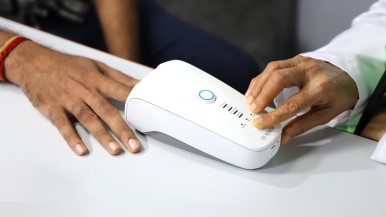
Bengaluru, India / Waiblingen, Germany – According to estimations by the WHO 1.6 billion people suffer from Anemia, a condition resulting from the reduced hemoglobin concentration in the blood. This has prompted the WHO to define the fight against anemia as one of its critical sustainable development goals for 2025. Bosch has developed a portable Hemoglobin Monitor Solution (HMS) especially for regions where routine access to medical care tends to be difficult. This HMS allows a large number of people to be screened for anemia rapidly, safely, using a non-invasive approach. The solution has been named a CES Innovation Award Honoree in the “Health and Wellness” category. “Bosch has developed the non-invasive Hemoglobin monitor as an innovative solution and as an alternative to traditional methods for the early detection of anemia. This should offer people better diagnosis options even in resource constrained conditions. The use of artificial intelligence is revolutionizing anemia management, specifically in point-of-care setups and closer to the patient”, explains Dattatri Salagame, President and Managing Director of Robert Bosch Engineering and Business Solutions Private Limited (RBEI). Bosch has developed the non-invasive Hemoglobin monitor as an innovative solution and as an alternative to traditional methods for the early detection of anemia. This should offer people better diagnosis options even in resource constrained conditions. The use of artificial intelligence is revolutionizing anemia management, specifically in point-of-care setups and closer to the patient....Dattatri Salagame, President and Managing Director of Robert Bosch Engineering and Business Solutions Private Limited (RBEI) Hemoglobin is a protein found in red blood cells and is responsible for carrying oxygen and carbon dioxide throughout the body. People with a low hemoglobin count may experience symptoms such as general fatigue, weakness, pale skin, and even serious illnesses. Anemia particularly affects women, even more so when they are pregnant, and also people suffering from malnutrition. In cancer patients undergoing chemotherapy or in palliative care, hemoglobin levels should be checked regularly. Hemoglobin results in 30 seconds using a non-invasive AI measurement The intelligent solution by Bosch is designed for use directly at the point-of-care and is completely pain-free with no need for a blood test, as the value is determined by a finger scanner using multi-wavelength spectrophotometry on the surface of the skin. The system uses an optical sensor to precisely and reliably measure the photoplethysmogram (PPG) signals. Photoplethysmography, or PPG, is an optical technique used to detect volumetric changes in blood in peripheral circulation. The device provides a reliable result within 30 seconds even for low hemoglobin concentrations. This is where machine learning comes in: the device’s algorithm monitors the wavelength of the light and uses 27 different characteristics to determine and classify the hemoglobin value. The algorithm has been trained with more than 10,000 anemia data points. These clinically collected data along with the corresponding ground truth data, are the basis for the machine learning algorithm. The more validated data sets are put into the continuously learning algorithm, the more precise the results will be. Lab-free results without risk of infection A laboratory analysis is not necessary and there is no risk of infection from contaminated needles. Participants receive their test results quickly at the point of care. The device is battery operated, does not need subsequent calibration, and is extremely easy to use. It is intended for use in outlying and remote regions by healthcare professionals. Location-based reporting ensures easy clinical traceability. Organizations that operate multiple devices can draw conclusions through heat maps about specific regions. Patient data remains anonymous. Market release in India is expected by mid-2021.

Bosch’s rapid coronavirus test delivers results for positive samples in less tha ...

18.12.2020

Press release

Business/economy

Bosch’s rapid coronavirus test delivers results for positive samples in less tha ...

Stuttgart, Germany – Thanks to improved software for the Vivalytic analysis device, the Bosch rapid coronavirus test, which uses polymerase chain reactions (PCR), now delivers its results even faster. By applying optimized evaluation strategies, the Vivalytic analysis device can detect a positive sample through its high viral load in less than 30 minutes, right where the sample is collected. “In the fight to contain the coronavirus pandemic, speed is of the essence. With Vivalytic, we are delivering cutting-edge medical technology. Our IT and software expertise have helped to make the Bosch Corona test for positive samples even faster – all within a short period of time,” says Dr. Volkmar Denner, chairman of the board of management of Robert Bosch GmbH. This modified product is part of a research and development project relating specifically to Covid-19, funded by the German Federal Ministry of Education and Research (BMBF) to the tune of 4.97 million euros. The project’s aim is to expand the options for detecting acute infections of the coronavirus, looking particularly at on-the-spot testing in which the sample is analyzed in a fully automatic PCR process, as this offers rapid yet reliable results. In the fight to contain the coronavirus pandemic, speed is of the essence. With Vivalytic, we are delivering cutting-edge medical technology. Our IT and software expertise have helped to make the Bosch Corona test for positive samples even faster – all within a short period of time....Dr. Volkmar Denner, chairman of the board of management of Robert Bosch GmbH The turnaround time for samples negative for SARS-CoV-2 is still 39 minutes. PCR tests are considered the gold standard, and Bosch’s rapid coronavirus tests have a sensitivity of 98 percent and a specificity of 100 percent. They are already available in 26 countries, mostly in Europe. “To meet the high demand, we launched two new production lines at our headquarters in Waiblingen in December,” says Marc Meier, president of Bosch Healthcare Solutions. “In total, we were able to create more than 80 new jobs this year, some of which have been filled by associates from Bosch's mobility division,” Marc Meier continues.Update from the cloud platform Vivasuite The new update is available for the SARS-CoV-2 singleplex test and the SARS-CoV-2 pooled test. Updating the Vivalytic testing devices is simple and straightforward – all that is required is an internet connection to access the Bosch cloud platform Vivasuite. Developed in-house at Bosch, the Vivasuite cloud platform allows users to digitally manage and update all their Bosch Healthcare Solutions devices. This is also an advantage when Vivalytic devices are in use in the field. The platform meets the strictest security standards and data privacy is guaranteed at all times: for example, there is no remote access to Vivalytic devices, and no possibility of accessing patient data.

Bosch’s new rapid coronavirus test delivers reliable results in 39 minutes

25.09.2020

Press release

Business/economy

Bosch’s new rapid coronavirus test delivers reliable results in 39 minutes

Stuttgart, Germany – Bosch has developed a new rapid test for its Vivalytic analysis device to detect the SARS-CoV-2 pathogen. The test provides a reliable result in 39 minutes and is currently the fastest polymerase chain reaction (PCR) test worldwide. Bosch’s new rapid test is predestined for decentralized use in mobile test centers at freeway service stations or in airports. People who take the test can obtain a reliable result while at the testing site. Available now in Europe, the CE-approved test helps avoid time in quarantine, relieve laboratories, and make travel and work safer again. “One of the keys to fighting the coronavirus pandemic is to rapidly identify sources of infection. That’s why we focused on following up on our first coronavirus test with an even faster one,” says Dr. Volkmar Denner, chairman of the board of management of Robert Bosch GmbH. “This will now enable us to put people’s minds at ease even more quickly.” One of the keys to fighting the coronavirus pandemic is to rapidly identify sources of infection. That’s why we focused on following up on our first coronavirus test with an even faster one....Dr. Volkmar Denner, chairman of the board of management of Robert Bosch GmbH The development of the new Bosch PCR singleplex test is part of a research and development project funded by the German Federal Ministry of Education and Research (BMBF). As the federal minister for education and research Anja Karliczek says, “I believe it’s important that people have clarity about their state of health as quickly as possible. In this respect, insights from science and research can bring people huge benefits. Over the next few months, we will be confronted with the particular challenge of having to test more people. The improved testing procedure developed by Bosch with the BMBF’s support has the potential to be a tremendous help with this complex job. The rapid improvement of our technological capabilities shows what innovative achievements German companies can deliver in times of crisis.” The test has a sensitivity of 98 percent and a specificity of 100 percent. To develop it, the Bosch subsidiary Bosch Healthcare Solutions joined forces with the German biotechnology company R-Biopharm – a leading provider of highly sensitive manual PCR tests. PCR tests are considered the gold standard of test methods.A world first: simultaneous testing of five samples Bosch launched the first rapid test for its Vivalytic analysis device at the end of March, after just six weeks’ development. As a multiplex test, it simultaneously checks samples for the SARS-CoV-2 virus and nine other respiratory diseases in two and a half hours. The new, accelerated test is exclusively for SARS-CoV-2. “With our different coronavirus tests and variable analysis strategies, we open up a range of testing scenarios with a Vivalytic device – from screening all the way to supporting differential diagnosis for diseases with similar symptoms,” says Marc Meier, president of Bosch Healthcare Solutions GmbH. And development work is still in full swing at Bosch: As of early October 2020, it will be possible to simultaneously evaluate five samples in one test cartridge and at a comparable speed – a world first, according to the company. Bosch is thus increasing available testing capacity, enabling fully automated processing of more than 160 samples a day using a Vivalytic device. In addition, optimized software will in the next few weeks further reduce the time to result of the SARS-CoV-2 test on positive samples. Vivalytic analysis device: easy to use at the test site The advantages of Bosch’s rapid test lie not only in speedy analysis, but also in ease of use. A sample is taken from the patient’s nose or throat using a swab, and placed in the test cartridge. Then the test cartridge, which already contains all the reagents required for the test, is inserted into the Vivalytic device for automated analysis. The Vivalytic analysis device is designed to be user-friendly; medical staff require only brief training on how to operate it. The development of the Vivalytic system, which consists of an analysis device and test cartridges, grew out of a long-standing collaboration between Bosch’s corporate research and advance engineering and Bosch Healthcare Solutions. By the end of the year, Bosch wants to reach capacity for one million tests. As demand for the analysis device and the rapid tests remains high, the company is working closely with its suppliers to maximize capacity and further increase supply.