

Suche

Press release #Mobility
share

Hydrogen: New Bosch fuel-cell system begins test operations in Madrid

New Bosch fuel-cell system begins test operations in Madrid

First customer project in the bus segment

  • Bosch’s new fuel-cell system is being used in an Irizar test bus.
  • Bus operator Alsa plans to conduct a trial lasting several weeks in Madrid’s public transit system.
  • Emissions-free powertrain enables long ranges of over 1,000 kilometers with short refueling times.
Anna Schmatz

Anna Schmatz

X

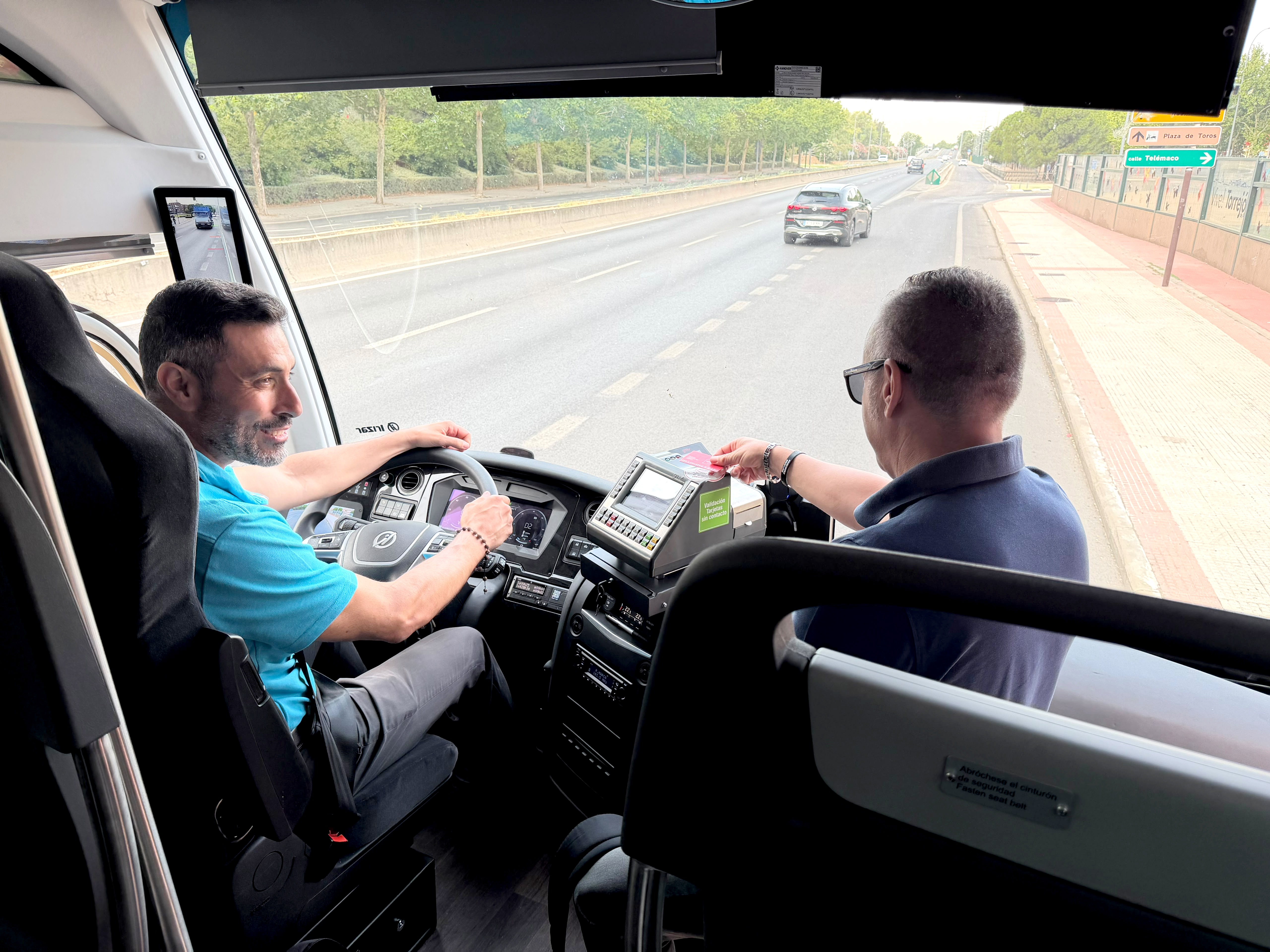
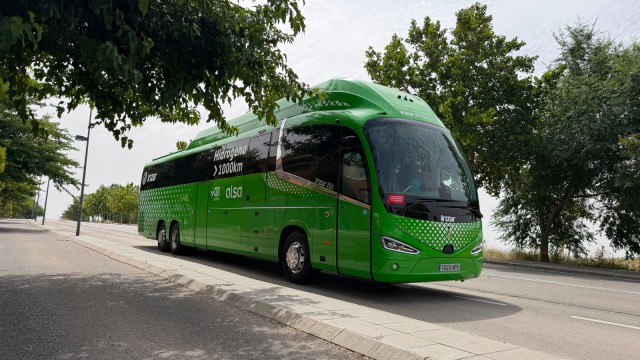
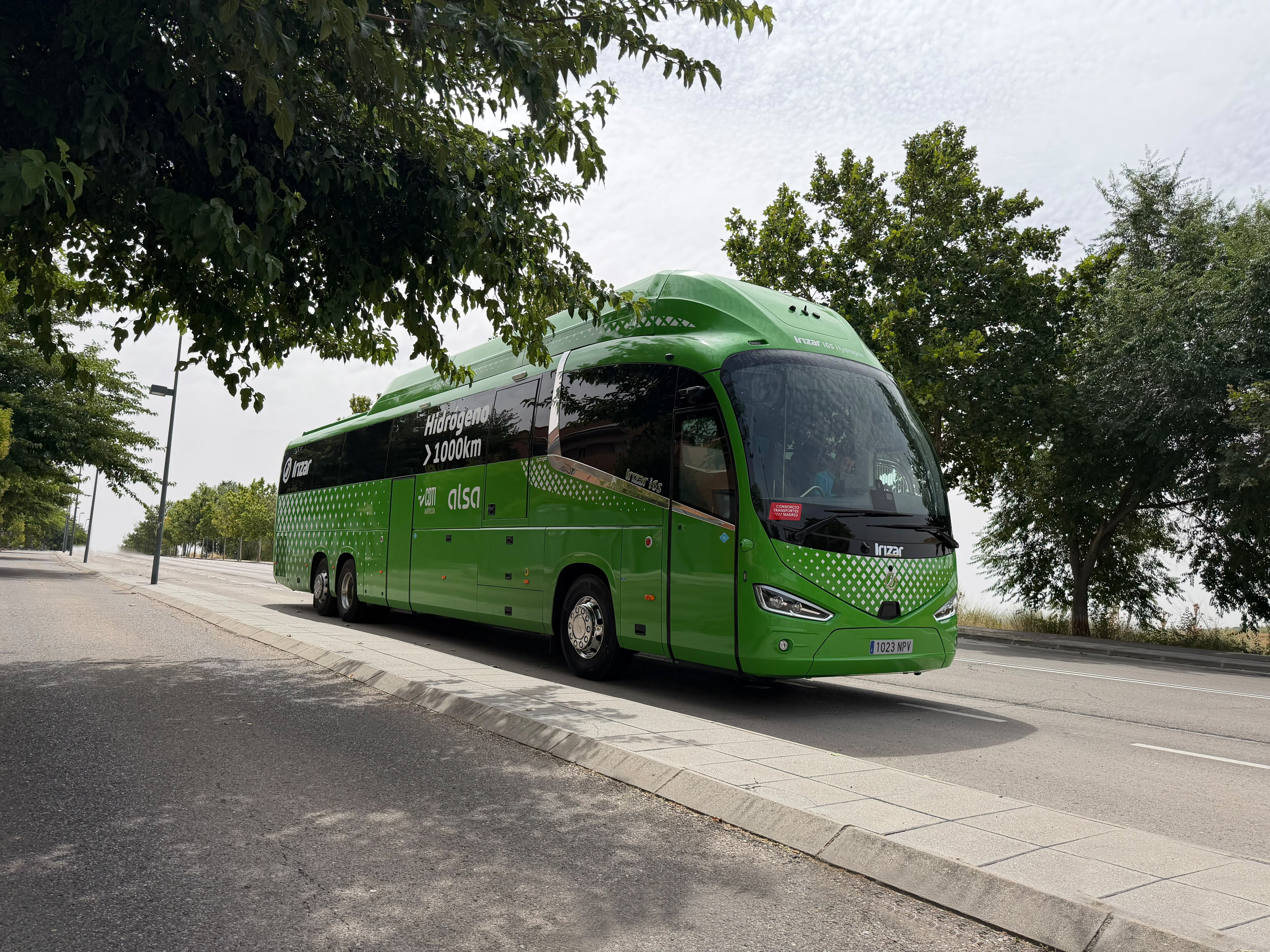
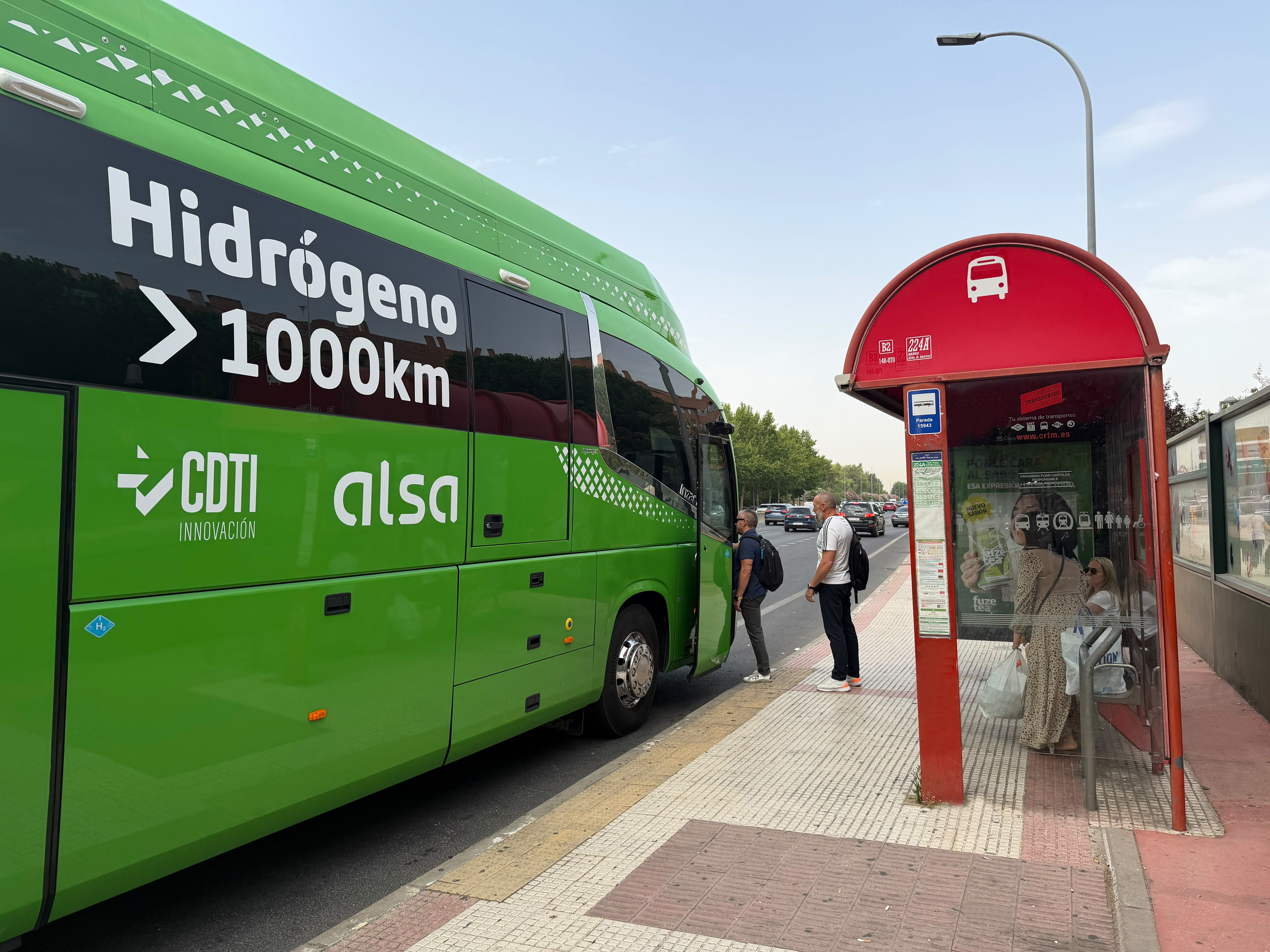
Stuttgart, Germany and Madrid, Spain – In Europe, pressure on urban public transit is mounting: in light of mandatory EU requirements to reduce carbon emissions from city buses by 90 percent by 2030, public transit operators are seeking reliable, emissions-free solutions. To this end, an initial test operation is now launching in Madrid: Equipped with a fuel-cell power module (FCPM) from Bosch, an Irizar bus has been transporting passengers through the Spanish capital for several weeks now. Vehicle operation will focus on routes where the fuel cell’s long range allows it to fully demonstrate its advantages. The operator is the Spanish bus company Alsa.
The fuel cell is the perfect complement to battery-electric powertrains – even in bus operations,

says Thomas Pauer, member of the Bosch Mobility sector board and president of Bosch Power Solutions.

“Fuel cells are especially well-suited for buses that travel longer distances every day and rarely have the opportunity to charge en route. With this trial, we can clearly demonstrate that Bosch’s fuel-cell technology is ready for the demands of large-scale deployment in passenger transport.”

Over the past few weeks, the test vehicle has already undergone extensive testing and received the necessary approval. Day-to-day operation in real conditions will now confirm the robustness and strengths of the fuel-cell powertrain. The test bus is equipped with the FCPM C190 fuel-cell system from Bosch. This compact system is based on a horizontal double stack and delivers a continuous output of 190 kilowatts. With the available hydrogen tank capacity, ranges of over 1,000 kilometers are possible, with refueling times of just 10 to 15 minutes. This means the bus can also be used for intercity service. In addition to the FCPM C190, Bosch also offers the FCPM C300, a system designed for heavy-duty tour buses and trucks. The portfolio is rounded off by the FCPM C100, which, with a continuous power output of 100 kilowatts and a flat design, is the ideal solution for city buses.

EU regulations are driving innovation in the bus sector

Due to EU regulations, bus operators and city transit companies are increasingly turning to alternatives to diesel engines. In addition to regulations aimed at improving air quality in cities, climate regulations also call for more environmentally friendly powertrain systems. For example, by 2030, carbon emissions of newly registered city buses must be reduced by 90 percent compared to 2019; for all other bus types, this applies from 2040 onward. Vehicles with fuel-cell power modules, which the EU recognizes as zero-emission vehicles, can make an important contribution here. According to the European Automobile Manufacturers’ Association (ACEA), just over 38,000 new buses were registered in the EU in 2025.

Bosch technology along the entire hydrogen value chain

Bosch is strongly committed to building an H2 economy, and is developing technical solutions for the production, infrastructure, and use of hydrogen. In 2025, the company announced the launch of its Hybrion PEM electrolysis stack for hydrogen production. Bosch is also working on technology for hydrogen engines and offers corresponding components for port and direct injection. At the end of 2025, a team of developers from Bosch won the German Future Prize, the federal president’s award for technology and innovation, for their development of the mobile fuel cell.

Contact person for press inquiries:

Anna Schmatz
Phone: +49 711 811 12715
E mail: Anna.Schmatz@de.bosch.com

Mobility is the largest Bosch Group business sector. It generated sales of 55,8 billion euros in 2025, and thus contributed around 61 percent of total sales. This makes the Bosch Group one of the leading mobility suppliers of technology and services. Bosch Mobility pursues a vision of mobility that is safe, sustainable, and exciting. For its customers, the outcome is integrated mobility solutions. The business sector’s main areas of activity are electrification, software and services, semiconductors and sensors, vehicle computers, advanced driver assistance systems, systems for vehicle dynamics control, repair-shop concepts, as well as technology and services for the automotive aftermarket and fleets. Bosch is synonymous with important automotive innovations, such as electronic engine management, the ESP anti-skid system, and common-rail diesel technology.

The Bosch Group is a leading global supplier of technology and services. It employs roughly 413,000 associates worldwide (as of December 31, 2025). The company generated sales of 91 billion euros in 2025. Its operations are divided into four business sectors: Mobility, Industrial Technology, Consumer Goods, and Energy and Building Technology. With its business activities, the company aims to use technology to help shape universal trends such as automation, digitalization, electrification, and artificial intelligence. In this context, Bosch’s broad diversification across regions and industries strengthens its innovativeness and robustness. Bosch uses its proven expertise in hardware, software, and services to offer customers cross-domain solutions from a single source. It also applies its expertise in connectivity and artificial intelligence in order to develop and manufacture intelligent, user-friendly, and sustainable products. With technology that is “Invented for life,” Bosch wants to help improve quality of life and conserve natural resources. The Bosch Group comprises Robert Bosch GmbH and its roughly 500 subsidiary and regional companies in over 60 countries. Including sales and service partners, Bosch’s global manufacturing, engineering, and sales network covers nearly every country in the world. Bosch’s innovative strength is key to the company’s further development. Bosch employs some 82,000 associates in research and development.

Additional information is available online at www.bosch.com, www.bosch-press.com.
download