Bosch is characterizing its presence at Automechanika 2026 with the theme "Master the job every day," demonstrating how technological expertise, digital connectivity and collaborative partnerships enable workshops to conquer their current and future objectives. To this end, Bosch combines original equipment expertise, vehicle diagnostics, spare parts, workshop equipment, training and digital services into an integrated systems approach that relieves the daily burden on shops by simplifying processes and supporting sustainable economic success.
"Mobility is changing rapidly. Our ambition is to accompany repair shops as partners on this journey – not with individual products, but with an intelligently connected, integrated system that helps them work successfully today and leverage the opportunities of tomorrow's mobility," says Rupert Hoellbacher, Chairman of the Bosch Mobility Aftermarket divisional board.
Artificial intelligence creates more efficiency in day-to-day shop operations
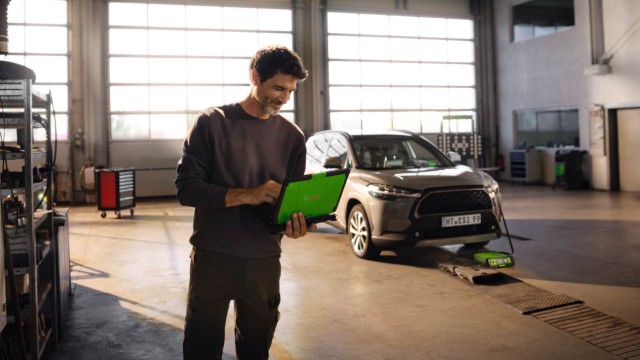
The new generation of the ESI[tronic] diagnostic software demonstrates how Bosch is specifically using artificial intelligence to increase productivity in workshops. The integrated AI assistant analyzes diagnostic data, accesses repair instructions and original documents from vehicle manufacturers, and suggests suitable solutions. This allows technicians to arrive at the correct diagnosis more quickly and concentrate on what matters most – repairing the vehicle. In this way, Bosch is reducing the complexity of modern vehicles and helping shops optimize diagnostic service.
The international Automechanika expert jury also recognized the potential of the ESI[tronic] diagnostic software with its integrated AI assistant to sustainably increase workshop efficiency. Right at the start of the trade fair, the solution received the 2026 Innovation Award in the “AI Solutions & Digitalisation” category.
Workshop solutions for all powertrains
Bosch supports repair shops in servicing every powertrain that enters their shop. For the foreseeable future, vehicles with combustion engines will remain an important part of in-shop service, while the importance of electrified vehicle service capabilities continues to grow. Bosch is therefore pursuing a technology-neutral approach, offering shops solutions that allow them to handle current repair cases profitably while preparing for new requirements.
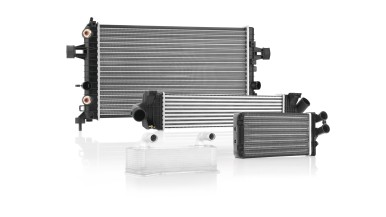
In the diesel service sector, the new DCP 800 test bench (Diagnostic Common-Rail Pump), presented in Frankfurt, accelerates the testing of common-rail high-pressure pumps and helps shops get vehicles back on the road faster. At the same time, Bosch is comprehensively expanding its thermal management portfolio and will offer shops even more components from a single source – for modern cooling and air-conditioning systems spanning combustion engines and electric vehicles.
Partnership creates competitive advantages
In addition to innovative technologies, strong partnerships are a decisive factor for shop success. With various in-shop support concepts such as Bosch Car Service and AutoCrew, Bosch combines modern workshop equipment, diagnostic software, training, technical information and a strong international brand into a comprehensive partner offering. Shops gain access to current technological knowledge, benefit from the exchange of experience within a strong network, and can continuously develop their range of services.
Additional business opportunities arise in the fleet business. With data-based services, Bosch helps fleet operators identify maintenance needs early, reduce downtime and make service processes more predictable. This strengthens competitiveness for fleet operators and independent repair shops through driving recurring service occasions, better capacity utilization and additional revenue potential.
A strong portfolio for the repair shops of today and tomorrow
As an original equipment manufacturer, Bosch brings new vehicle technologies to the aftermarket at an early stage and continuously develops its spare parts portfolio. The goal is to support workshops in every repair case with the right products, data and services. This also applies to the commercial vehicle business.
At Automechanika, Bosch is presenting numerous portfolio extensions for current vehicle generations – from new spare parts and diagnostic solutions to shop tools and equipment. Together with ESI[tronic] Truck and Off-Highway, Bosch helps shops carry out maintenance and repair work efficiently to ensure the long-term operational readiness of commercial vehicles.
Sustainability becomes an economic success factor
For Bosch, sustainability is far more than an environmental goal. It opens up new business opportunities for repair shops while strengthening their competitiveness.
"In the aftermarket, sustainability is not decided by abstract concepts, but in the specific repair case,” said Carsten Kopp, member of the Bosch Mobility Aftermarket divisional board. “When we remanufacture components, extend vehicle life cycles and enable economically attractive repairs for vehicle owners, we conserve resources and, at the same time, create new business opportunities for repair shops. This is precisely the strength of the circular economy: It combines ecological responsibility with economic benefits for our partners in the market."
With programs such as Bosch eXchange, the company returns remanufactured components to the market in original-equipment quality. Going forward, Bosch intends to further develop this approach together with strong partners. To this end, Bosch and PreZero Circular Solutions GmbH & Co. KG (PreZero) announced a strategic collaboration at Automechanika aimed at strengthening the circular economy and European material cycles. The objective is to keep valuable components and raw materials within the European economic cycle for as long as possible while further expanding the second-life approach for vehicle components.
In the vehicle recycling process, Bosch combines its expertise in diagnostics and remanufacturing with PreZero’s recyclable materials management and logistics infrastructure. Going forward, data-driven insights are intended to help determine more precisely whether components are suitable for reuse, remanufacturing, or recycling. The collaboration with PreZero is one element of Bosch’s comprehensive commitment to the circular economy. At the same time, Bosch is continuously developing its existing programs and other approaches to make the best possible use of components and materials and unlock new economic potential for the aftermarket.
Bosch supports vehicles throughout their entire life cycle
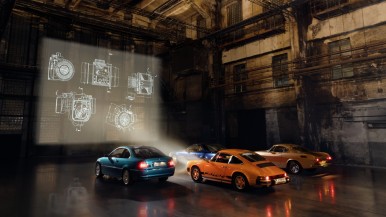
The strength of the Bosch portfolio is evident throughout the entire vehicle life cycle. While modern diagnostic and repair solutions prepare independent shops for future vehicle generations, Bosch Classic supports owners and specialized shops in the long-term maintenance of historic vehicles. With new spare part solutions for early ABS systems, Bosch Classic is closing supply gaps in the market and helping to preserve classic vehicles as true to their original state as possible.
Additionally, Bosch is celebrating 100 years of electric windshield wiper systems at Automechanika. The anniversary is a prime example of the company's sustained strength in innovation and the close link between original equipment and the aftermarket.
With its trade fair presence at Automechanika, Bosch is showing how powerful technologies, original equipment expertise and strong partnerships are helping independent repair shops shape the mobility of today and tomorrow in an economically successful way.