Search & find:
Media, press releases, events for your editorial coverage

New area of business: Bosch to develop components for hydrogen electrolysis

04.05.2022

Press release

Powertrain systems

New area of business: Bosch to develop components for hydrogen electrolysis

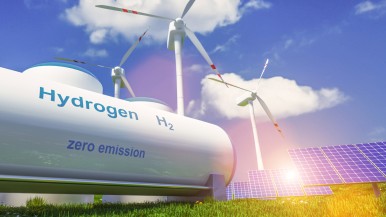
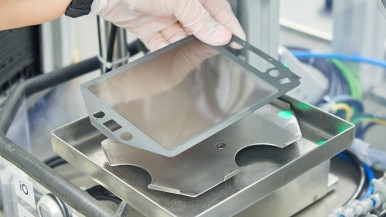
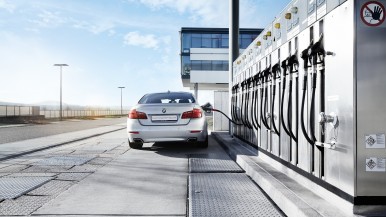
Stuttgart and Renningen, Germany – When it comes to green hydrogen, Bosch is stepping on the gas: in the interest of effective climate action, the company is planning not only to use this new fuel, but also to be one of the companies producing it. This is why Bosch is branching out into the development of components for electrolyzers, which use electrolysis to split water into hydrogen and oxygen. Ideally, the electricity for this purpose is generated from renewable sources such as wind or photovoltaic power, in which case the result is known as “green hydrogen”. “We cannot afford to delay climate action any longer, so we aim to use Bosch technology to support the rapid expansion of hydrogen production in Europe,” said Dr. Stefan Hartung, chairman of the board of management of Robert Bosch GmbH, at the presentation of the company’s annual figures . “To do this, we will leverage our know-how in fuel-cell technology,” added Dr. Markus Heyn, member of the board of management of Bosch and chairman of the Mobility Solutions business sector. Drawing on this expertise, Bosch will assign the development of electrolyzer components to the Mobility Solutions business sector, investing up to 500 million euros in this venture by the end of the decade. In light of energy diversification, the move away from fossil fuels, and the need to reduce CO2 emissions, demand for green hydrogen is growing rapidly – not only in energy-intensive industries such as steel, chemicals, and heavy-duty freight, but also in private real estate. According to the EU, demand is set to rise to some ten million metric tons a year by 2030. Bosch forecasts that the global market for electrolyzer components will increase to a volume of around 14 billion euros over the same period, with Europe set to see the highest rates of growth. To help business and society reduce dependency on fossil fuels and harness new forms of energy, Bosch intends to invest some three billion euros in climate-neutral technology, such as electrification and hydrogen, over the next three years. “We cannot afford to delay climate action any longer, so we aim to use Bosch technology to support the rapid expansion of hydrogen production in Europe” ...says Dr. Stefan Hartung, chairman of the board of management of Robert Bosch GmbH Bosch is to develop the stack – the core component of an electrolyzer As in the fuel cell, the key component of an electrolyzer is a stack, which comprises several hundred individual cells connected in series. In each of these cells, electricity is used to split water into hydrogen and oxygen. This is the reverse of what takes place in a fuel cell, where electricity is generated by combining hydrogen and oxygen. In both cases, the chemical reaction is facilitated by means of a proton-exchange membrane (PEM). Bosch is collaborating with a number of partners to develop a way of combining the electrolyzer stack with a control unit, power electronics, and various sensors to create a “smart module”. With pilot plants scheduled to commence operation in the coming year, the company plans to supply these smart modules to manufacturers of electrolysis plants and industrial service providers from 2025 onward. Using a simple process, Bosch will incorporate a number of these compact modules. They can then be used both in smaller units with capacity of up to ten megawatts and in gigawatt-rated onshore and offshore plants – whether in new-build projects or in existing plants for conversion to the production of green hydrogen. To maximize the efficiency of hydrogen production and extend the service life of the stack, the smart modules are to be connected to the Bosch cloud. At the same time, the use of a modular design for the electrolyzers is expected to make maintenance more flexible: any scheduled work will require the shutdown of certain sections of the plant only, instead of the entire facility. Bosch is also working on service concepts that will include the recycling of components in order to promote a circular economy. Bosch can use its strengths in mass production and economies of scale Unlike many of the electrolyzer components currently on the market, the Bosch smart modules will be mass produced. As such, the manufacturing operation will generate economies of scale. “Two key factors are involved in ramping up hydrogen production: speed and cost,” Heyn said. “This is where we can play to our strengths, thanks to our expertise in mass production and our automotive know-how.” Bosch is now planning to start volume production as quickly as possible at a number of European locations. These include Bamberg and Feuerbach (Germany), Tilburg (Netherlands), Linz (Austria), and České Budějovice (Czech Republic). Bosch portfolio expansion will safeguard jobs The ongoing transformation of the automotive sector presents a huge challenge for the industry as a whole. As ever, Bosch’s response here is to innovate. In entering a new field of business – one that will add a nonautomotive wing to its mobility solutions business – the company is seizing the opportunity to further safeguard employment. In the coming years, this expansion into electrolyzer components is expected to create work for hundreds of associates. “In fact, we’re doing three things at once,” Heyn said. “We’re making an important contribution ecologically, economically, and socially.” Bosch is working on mobile and stationary fuel cells Bosch firmly believes in hydrogen as a future fuel, and is also working on both stationary and mobile fuel cells . One intended use for the former is as small, on-site power plants for cities, data centers, shopping malls, business parks, and as charge spots for electric vehicles. Bosch plans to use mobile fuel cells to facilitate the climate-neutral shipping of goods and commodities, initially by truck. The company’s portfolio of vehicle-related products in this field ranges from individual sensors to core components such as the electric air compressor , the stack, and complete fuel-cell modules . Production is expected to start this year.

Bosch at the IAA Mobility: Safe, emissions-free, and exciting mobility – now and ...

10.08.2021

Press release

Connected mobility

Bosch at the IAA Mobility: Safe, emissions-free, and exciting mobility – now and ...

Munich, Germany – Cars, e-bikes, motorcycles, scooters, electric race cars: Bosch is rolling out mobility solutions for all types of vehicles, and is even making smartphones and people’s homes an integral part of mobility. At IAA Mobility 2021 in Munich, the supplier of technology and services will be showcasing its solutions for personalized, automated, connected, and electrified mobility. Bosch will be in exhibition hall B3 at booth C30 and in the bike area, in the Messe West parking garage, and downtown at Königsplatz and Odeonsplatz.At the trade fair and downtown – get in, get on, try it out Bosch show car: In the future, more and more vehicles will be electrically powered. They will increasingly be connected with other road users and their surroundings, assume more and more of the driving task themselves, and provide personalized services for their occupants. Bosch technology for automated, electrified, personalized, and connected mobility is paving the way for this future vision of mobility. The company has the systems know-how and comprehensive software and hardware expertise that this requires. For example, Bosch is developing central computers for the electronics architecture of the future. These vehicle computers are used for assisted and automated driving, controlling vehicle motion, as well as for cockpit functions and body electronics. (Trade fair: Hall B3, booth C30) Driverless parking: Bosch and nine project partners will present the future of parking in a live demonstration. In the automated valet parking system developed jointly by Bosch and Mercedes-Benz, a smartphone command directs cars automatically to their assigned parking bays without the need for driver supervision. Interplay between the intelligent parking garage infrastructure and the vehicle technology makes this possible. Sensors in the parking garage monitor the driving aisle and its surroundings while guiding the vehicle. The in-car technology converts the commands from the infrastructure into safe driving maneuvers. A joint project with the association of the German automotive industry (VDA) shows how vehicles from different manufacturers will be able to communicate with infrastructure technology from various suppliers in the future. Against this backdrop, the project partners are also working on an international standard (ISO 23374). (Live demonstrations several times a day in the Messe West parking garage) An enhanced cycling experience: E-bikes are the best-selling electric vehicle in Europe. Riding an electrically assisted bike is good for people’s health and the environment – as well as a lot of fun. Connected products and services enhance the cycling experience and connect e-bikers with the digital world. Bosch will be showcasing new connected-biking solutions and allowing visitors to see for themselves just how much fun power-assisted cycling can be. (Trade fair: Hall B3, booth C30; bike area B5, Blue Lane Micromobility: Brienner Straße; open space: Königsplatz and Odeonsplatz) Bosch is electrifying mobility and helping mitigate global warming Bosch wants to be a key player in climate-neutral mobility. The company has set itself the goal of making all vehicle classes ready for upcoming emissions requirements. As an innovation leader, Bosch has a broader electric driving portfolio than any other company – from e-bikes to passenger cars to heavy trucks. Battery-electric power for two- and four-wheeled vehicles: From powertrains to steering systems to brakes, Bosch’s portfolio includes all the building blocks for the electrification of passenger cars. One component is the e-axle , which combines the power electronics, electric motor, and transmission in a single unit. And with its pre-integrated system solutions for vehicle platforms, Bosch helps automakers bring electric vehicles to market faster than before. The key is the optimized interaction of the powertrain, steering, braking, and vehicle control in the advanced driving module , which is combined with partner solutions to form a complete axle module for the front and rear axles. Alongside efficient powertrains, Bosch also uses thermal management to increase the range of electric and hybrid vehicles. Precise control of currents of hot and cold air improves the efficiency of the battery and ensures that all components are working within their optimum temperature range. Bosch also offers drives and control units for electric two-wheelers . Integrated in a compact system, the two components ensure precise control of the motor, reliable riding performance, and optimum torque development. Fuel-cell system: Mobile fuel cells offer long ranges and short refueling times. Where they really come into their own is on long-haul routes and in commercial vehicles. With green hydrogen, fuel cells enable vehicles to be operated CO 2 -free. Bosch develops all the key system components to production readiness – including complete systems. For the stack, which converts hydrogen and ambient oxygen into electrical energy, the company is working with the Swedish specialist Powercell. Large-scale manufacturing of the stack is set to begin in 2022, and the launch of the complete fuel-cell system – the Bosch fuel-cell power module – is scheduled for 2023. Services for electromobility: Bosch’s Battery in the Cloud prolongs the life of electric car batteries. Smart software functions in the cloud continually analyze battery status and take appropriate action to prevent or slow cell aging. The tamper-proof “usage certificate” documents the condition of the battery throughout its entire service life, thus giving a better picture of the battery’s residual value if the car is sold. With charging services such as Convenience Charging , Bosch makes it easy and straightforward for drivers of electric cars to find – and pay at – publicly accessible charging stations. In addition, the integrated recharging and navigation solution allows for a precise range forecast and route planning that includes recharging stops – and comes with the option to set personal preferences, such as charging stations next to restaurants. New charging cable: At the IAA Mobility, Bosch is presenting a flexible charging cable with integrated control and safety technology for the first time. It also does without the usual in-cable control box when charging at a 230-volt power socket. This means, the flexible smart charging cable weighs less than three kilograms. On average, this is a good 40 percent less than conventional charging cables with a control box. Because it comes with adapters for Type 2 and household plugs, drivers who want to be free to choose whether to recharge from a power socket at home or from a charging station on the road no longer need a second cable. High-speed electromobility: For everyday life and for the racetrack – Bosch is committed to becoming the leading supplier of electrified powertrain solutions, both in electromobility for production vehicles and in electrified motorsports. The company has entered into a long-term technology and development partnership with the DRAGON/PENSKE AUTOSPORT Formula E Team. And those who want to experience driving the racing series courses virtually and compete with others for the best time can do just that in two simulators. (Open space: Königsplatz) Using electricity intelligently: Bosch’s intelligent energy manager makes it possible for homeowners to reduce CO 2 emissions and save energy costs. Serving as an interface between a Bosch heat pump and a photovoltaic system, it optimizes the use of home-generated solar energy and distributes it intelligently throughout the building. Alongside heating and hot water, it will also be possible to integrate electric cars into the Bosch energy management system in the future. Compatible wallboxes can then be deployed to recharge vehicles using as much home-generated electricity as possible. Bosch is automating driving and making roads safer Less stress, smoother traffic flows, greater safety – vehicles that assume more driving tasks themselves are a key building block for tomorrow’s mobility. An automated vehicle must be able to do everything a human driver can: perceive its surroundings, make decisions, and accelerate, brake, and steer. Step by step, Bosch is laying the technical foundations for automated driving. With its driver assistance systems, it is already paving the way for all levels of automation. Surround sensing for all traffic situations: Sensor technology forms the basis for assisted and increasingly automated driving. To drive safely, the vehicle must be able to reliably recognize objects, people, and other road users. Bosch’s multi-purpose camera combines traditional image-processing algorithms with artificial intelligence (AI) methods. Using AI, the camera understands and interprets what it sees, ensuring reliable object recognition and good surround sensing. In addition to camera, radar, and ultrasonic sensors, Bosch is also developing a long-range lidar, for which it employs various sensor principles. The more complex the driving task, the more important their interaction. Localization technology for exact positioning: Automated vehicles need to know exactly where they are at all times. Bosch offers a comprehensive package of hardware, software, and services that allows automated vehicles to precisely determine their own location. The VMPS (vehicle motion and position sensor) uses satellite navigation signals to identify the exact position, augmented by data from a correction service and information from the steering-angle and wheel-speed sensors. The Bosch road signature cloud-based map service uses data from radar and video sensors as well as vehicle motion data to create additional layers for high-resolution maps. Volkswagen Golf 8 vehicles are currently collecting this information on Europe’s roads. Redundant braking and steering systems for safe and energy-saving driving maneuvers: Better safe than sorry – this holds especially true for safety-relevant functions in automated driving. Thanks to multiple redundancy, Bosch’s electric steering system offers additional safety. In the rare event of a malfunction, the system is still capable of retaining 50 percent of its electric steering functionality. Bosch has also integrated a redundant architecture into the design of its braking systems : should either the iBooster (the electromechanical brake booster) or the ESP electronic stability program fail, the other component can brake the vehicle. A second braking unit serves as a backup for the integrated power brake system, which combines brake boosting technology and ESP functionality. This is an especially important requirement in automated vehicles. In addition, Bosch’s regenerative braking systems help save CO 2 : in a very smooth process, which is unnoticeable for the driver, they make it possible to switch between generator and friction braking, thus enabling braking energy to be converted back into electrical energy and fed back into the battery every time the vehicle is braked. Services for automated driving: Bosch’s predictive road-condition services raise the alert in the event of potential hazards long before critical situations develop. They provide real-time information about road conditions and risks such as aquaplaning, ice, and snow. This enables automated vehicles to correctly anticipate road conditions, adapt their driving behavior to the conditions, choose a different route, or even ask the driver to take control. Bosch connects vehicles with each other and with their surroundings: Vehicles that warn each other of danger, keep a protective eye on their occupants, and communicate with the smart home – Bosch connects systems, components, and services inside and outside the vehicle, making mobility more efficient, safer, and more relaxed. Users, vehicles, and surroundings are seamlessly connected, making driving more enjoyable and providing a personalized mobility experience. Smart car meets smart home: Bosch is turning cars into the command centers for smart homes: using Mercedes-Benz’s MBUX infotainment system, Bosch Smart Home applications can be controlled by voice command from the vehicle. In addition to shutters and heating thermostats, the system can also be used to control light switches and smart adapters, and to check the status of motion detectors and door/window contacts. Using voice commands allows the driver to stay focused on the road. Guardian angel for all areas of life: In the shape of Help Connect , Bosch has developed a digitally connected emergency call system for motorcycles and other vehicles. A smart crash algorithm added to the acceleration sensors in the Bosch MSC motorcycle stability control system allows accidents to be detected. A smartphone app transmits information about the accident scene and the rider to a service center, and from there to the emergency services. If the motorcycle has no permanently installed accident detection system, the sensor data from the smartphone can be used to initiate the emergency response. Bosch Help Connect can also provide assistance at home, in the gym, or when out cycling. Indoor monitoring for better occupant protection: Bosch has developed a system comprising cameras and AI that can increase the safety of vehicle occupants. The interior monitoring system detects driver drowsiness and distraction, or if occupants are in an unsafe seating position. It warns inattentive drivers, recommends a break if they are getting tired, and can reduce vehicle speed – depending on the automaker’s wishes and legal requirements. The system also enhances convenience by automatically adjusting the seat, mirrors, and steering wheel height in line with individual preferences – as well as enabling gesture control of the infotainment system. Wrong-way driver alert: Bosch’s cloud-based wrong-way driver warning system warns both the wrong-way driver and all road users at risk of the impending danger within seconds – much faster than traffic news on the radio. In early 2021, ŠKODA became the first automaker worldwide to opt for Bosch’s digital guardian angel. The lifesaving warning is flashed up directly on the display in the vehicle cockpit. As an app solution for smartphones, this service already has 2.5 million active users in 20 European countries. Smartphones as car keys: With Perfectly Keyless , sensors in the car recognize the owner’s smartphone as securely as a fingerprint and open the vehicle only at their request. The cell phone thus displaces the conventional car key. Thanks to ultra-wideband technology, the system also offers other practical everyday advantages: it is even easier to maneuver the car into tight parking spaces by remote control or to open the trunk remotely so that package handlers can deposit deliveries in it. For large parking lots where it is difficult to locate vehicles, Perfectly Keyless helps find the way to the car and illuminates the path by switching on the headlights, providing extra safety in the dark.


Stationary fuel cell: Bosch plans to start full-scale production in 2024

06.12.2020

Press release

Business/economy

Stationary fuel cell: Bosch plans to start full-scale production in 2024

Stuttgart, Germany / Horsham, United Kingdom – When it comes to stationary fuel cells, Bosch is stepping up a gear. In 2024, the supplier of technology and services intends to start full-scale production of distributed power stations based on solid oxide fuel-cell technology – hence the agreement to intensify its alliance with Ceres Power. Following a successful prototype construction phase, the two companies now want to press ahead, initially with the pre-commercialization process for stationary fuel cells. For SOFC systems, Bosch is aiming for an annual production capacity of some 200 megawatts. This is enough to meet the electricity needs of around 400,000 four-person households in urban quarters. Bosch is planning to produce the stationary fuel-cell systems at its manufacturing sites in Bamberg, Wernau, and Homburg, as well as its development sites in Stuttgart-Feuerbach and Renningen – and will invest hundreds of millions of euros by 2024. This means Bosch is positioning itself clearly as a systems supplier for stationary fuel cells with its own value creation in the cell and stack segment. One intended application of SOFC technology is in small, distributed, connectivity-enabled power stations, which can then be used in cities, factories, trade and commerce, data centers , and electric vehicle charging infrastructure. Bosch estimates that the market for decentralized power generation will reach a volume of 20 billion euros by 2030. A total of more than 250 Bosch associates are now working in this promising new field – 150 more than a year ago. “We see the highly efficient solid oxide fuel cell as an essential element of a sustainable energy supply. To bring it about, we are pooling Bosch expertise from across several divisions,” says Dr. Christian Fischer, the Bosch board of management member responsible for the Energy and Building Technology business sector. “With stationary fuel-cell systems, Bosch is establishing a new business field in which development, manufacturing, sales, and service come from a single source,” Fischer continued. “Together with our partner Ceres Power, we are now taking the next important step toward full-scale production.” We see the highly efficient solid oxide fuel cell as an essential element of a sustainable energy supply. To bring it about, we are pooling Bosch expertise from across several divisions...Dr. Christian Fischer, Bosch board of management member Energy and Building Technology Bosch intensifies alliance with Ceres Power Since August 2018, Bosch and Ceres Power have been successfully collaborating in the field of fuel cell and fuel-cell stack development. As early as fall 2019, Bosch was able to start prototype production of its first fuel-cell systems in Germany; in January 2020, it acquired a stake of around 18 percent in the U.K. company. The alliance has now been extended to include the phases leading up to full-scale production in 2024. The agreements specify how Bosch will further use its alliance partner Ceres Power’s technology. “We are proud to have reached this milestone in collaboration with our important partner Bosch. Combining innovative Ceres technology with Bosch’s manufacturing expertise made it possible to create pioneering stationary fuel-cell systems that will help overcome the global challenges of the energy transition,” says Phil Caldwell, CEO of Ceres Power. “We’re looking forward to continuing our close collaboration with Bosch.” SOFC systems are already hydrogen-compatible Ceres Power is a leading player in the development of innovative solid oxide fuel cells and stacks. Bosch holds an extensive technology license from Ceres Power and has been manufacturing fuel cells and stacks in-house since 2019. Pilot plants based on solid oxide fuel cells are already being successfully tested at various Bosch locations. The SOFC systems can already be operated with eco-friendly biogas or natural gas – and are already hydrogen-compatible for the energy system of the future. For cities and conurbations with high energy requirements, SOFC systems can ensure sustainable power supplies – with zero emissions of nitrogen oxides, particulates, and CO2. With an overall efficiency of more than 85 percent , the solid oxide fuel cell is clearly superior to any other energy converter. As Dr. Wilfried Kölscheid, who is responsible for stationary fuel cells at Bosch, explains: “Depending on energy supply requirements, in the future any number of plants with the same output can be interconnected. This interconnection creates virtual power plants that work together to supply power as and where it is required.”

CES 2020: Bosch raises the bar when it comes to artificial intelligence

06.01.2020

Press release

Business/economy

CES 2020: Bosch raises the bar when it comes to artificial intelligence

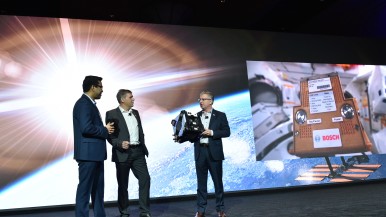
Las Vegas, NV, USA – Whether for automated driving, the smart home, or manufacturing: artificial intelligence (AI) has become an integral part of everyday life. Bosch uses AI and the internet of things (IoT) to make life easier for people and as safe as possible. Here, the slogan “Beneficial AI. Building trust together” sums up the technology and services company’s approach. The focus is on safe and robust AI for the manufacture of smart products, which Bosch will be showcasing at this year’s CES. One of these products is the Virtual Visor: an AI-based digital vehicle sun visor that will be making its debut at the world’s largest trade fair for consumer electronics. The product has also won a CES® Innovation Award, as has Bosch’s 3D display for the car.Other Bosch AI highlights at the show include an application for predictive maintenance of the International Space Station, a system for monitoring vehicle interiors, and a smart platform for medical diagnostics. “The solutions we’re showcasing at CES make it clear that Bosch aims to become an innovation leader in AI as well,” says Bosch management board member Michael Bolle. “As of 2025, every Bosch product will either contain artificial intelligence or will have been developed or manufactured with the help of AI.” The global market volume for AI applications is expected to be around 120 billion dollars over that same period, a twelvefold increase compared to 2018 (source: Tractica ). Bosch wants to tap into that potential: the company already invests 3.7 billion euros each year in software development, currently employs more than 30,000 software engineers, and has 1,000 associates working on AI. In addition, Bosch has established a comprehensive training program. “We plan to make nearly 20,000 associates AI-savvy over the next two years,” Bolle explains. “We must invest not only in artificial intelligence, but in human intelligence as well.” The program includes training formats at three different levels for managers, engineers, and AI developers and includes guidelines for using AI responsibly. To that end, Bosch has drawn up its own set of AI principles that address issues of AI security and ethics. With this in combination with its expertise, the company intends to build trust with customers and partners alike: “Anyone who has internalized technical and ethical principles knows how important data security and sovereignty are,” Bolle says. “In a way, trust is the product quality of the digital world.”Expertise saves lives In the future, Bosch believes one core area of expertise will be the industrial application of artificial intelligence. “We want to harness the power of artificial intelligence not for the purpose of creating models of human behavior, but instead to improve technology to benefit people,” Bolle says. “For this reason, industrial AI has to be safe, robust, and explainable.” According to Bosch, that means people should always remain in control, whether on the street, at home, or in manufacturing. As a pioneer in the development of life-saving driver safety systems such as ABS, ESP, and airbag control units, the company has already proved in the past that people benefit from reliable machines. AI can also make driver assistance systems even more efficient and intelligent: when Bosch’s AI camera for automated driving identifies partially concealed pedestrians, for example, the automatic emergency braking assistant can react even more reliably. Bosch is creating learning technology that is “Invented for life.”Bosch invests 100 million euros in an AI campus Innovations require investment. In addition to spending on software development, Bosch is investing worldwide in people and in competence centers. For example, the company is investing 100 million euros in the construction of a new AI campus in Tübingen, Germany. The move into the new research complex is planned for the end of 2022. It will then offer some 700 AI experts space for creative and productive exchange. These experts come from Bosch, external startups, and public research institutions. The new campus should strengthen exchange among experts in Cyber Valley. “Building trust together” will be a living reality there. Bosch is a founding member of Cyber Valley , which was established in 2016. This joint research venture brings together partners from industry, academia, and government to drive forward AI research and quickly transfer research findings into real-world industrial applications. In addition, the Bosch Center for Artificial Intelligence (BCAI) operates at seven locations worldwide, including two in the U.S.: in Sunnyvale, California and Pittsburgh, Pennsylvania. The BCAI currently has a total of some 250 AI specialists working on more than 150 projects in the domains of mobility, manufacturing, smart homes, and agriculture.World-first Virtual Visor originated in the U.S. Bosch has creative AI minds developing product innovations for mobility, the smart home, and Industry 4.0. Its AI world first for the automotive sector, which is celebrating its world premiere in Las Vegas, originated in the U.S.: the Virtual Visor, which is a transparent digital sun visor. A transparent LCD display connected to the interior monitoring camera detects the position of the driver’s eyes. Using intelligent algorithms, the Virtual Visor analyzes this information and darkens only the portion of the windshield through which the sun would dazzle the driver. The Virtual Visor scored the highest in its category at the CES Best of Innovation Awards. Bosch’s new 3D display won its category as well. Using passive 3D technology, the display generates a realistic three-dimensional effect for images and alerts. This allows visual information to be grasped faster than when displayed on conventional screens, increasing road safety. Additional safety comes from Bosch’s new interior monitoring system for vehicles. It detects when the driver is drowsy or looks at a smartphone based on eyelid movements, direction of gaze, and head position – and alerts the driver to critical situations. It also monitors the vehicle interior to determine how many occupants are present and where and in what position they are sitting. This makes it possible to optimize the operation of safety systems such as the airbags in an emergency. In 2019, Bosch sales of driver assistance systems rose by 12 percent to around 2 billion euros. They are paving the way for automated driving. In the future, when vehicles are in partially automated driving mode for sections of the journey such as on the freeway, the driver monitoring system will become an indispensable partner: In these situations, the camera will ensure that the driver can safely take the wheel again at any time. By 2022, the company will have spent around 4 billion euros on automated driving and will employ more than 5,000 engineers. To round out its sensor portfolio in this domain, Bosch is now working on making lidar sensors production-ready as well. In addition to radar and cameras, lidar is the third essential sensor technology. The Bosch long-range lidar sensor can also detect non-metallic objects at a great distance, such as rocks on the road.Bosch AI used in space and in medicine The company is aiming high with its SoundSee sensor system, which was sent into space at the end of 2019. Riding on NASA’s autonomous flying Astrobee robot, SoundSee will isolate unusual sounds on the ISS, analyze the audio using AI-driven analytics, and indicate when maintenance is necessary. Starting in early 2020, audio data captured by Soundsee will be delivered to a ground control facility configured to meet NASA specifications and built into the Bosch Research Center in Pittsburgh, PA. The system, which is barely bigger than a lunchbox, was developed in the U.S. together with Astrobotic as part of a NASA research collaboration.A completely earthbound but no less innovative product is Vivalution, a smart pathology platform that helps in medical diagnosis. Vivalution magnifies specimens like blood and other bodily fluids, digitizing the microscopic findings, and analyzing them with the help of artificial intelligence-powered algorithms. It is capable of precisely and rapidly identifying cell anomalies and providing physicians with useful support in evaluation and diagnosis.Smartglasses Light Drive make everyday glasses smart Bosch is also showcasing many non-AI innovations at CES. For example, its Light Drive smartglasses module is the world’s first sensor-based solution for making a normal pair of glasses smart. It is more than one-third thinner than other solutions on the market and weighs less than ten grams. The crystal-clear images projected into the wearer’s field of vision, which are clearly discernible even in direct sunlight, range from navigation information and text messages to calendar entries and operating instructions – depending on the information received from a smartphone or smartwatch. At CES, Bosch is using its IoT shuttle technology showpiece to present the solutions that the company offers automakers and mobility service providers for the electrification, automation, connectivity, and personalization of ridesharing vehicles. Its portfolio goes beyond components to include seamlessly connected mobility services that give users flexibility in how they operate, manage, charge, and maintain their fleet vehicles, as well as making each journey safe. At the Bosch booth, visitors can also see improved drive and sensor technologies for the connected and emissions-free mobility of the future.Solutions for the entire house: expanded portfolio for residential IoT Bosch is expanding the scope of its services for the residential internet of things (IoT). The highlight here is the open Home Connect platform, which is being showcased at CES. Starting in mid-2020, the platform’s app will also offer control of lighting and shade, entertainment, and smart gardening equipment from different manufacturers. The number of partner companies, which is currently at 40, is set to more than double, making life at home even more convenient and efficient.Smart technology protects the environment Underlying all these innovative products is Bosch’s entrepreneurial mindset. “We want to harmonize commercial, environmental, and social responsibility,” Bolle says. Climate protection is also a major concern here. According to Bolle, “Bosch not only develops environmentally friendly solutions, but also acts as a role model. By the end of 2020, all our 400 locations worldwide will be climate neutral and from development to manufacturing to administration no longer leave a carbon footprint. We’ve already achieved this for our German locations.” Artificial intelligence plays a role here, too: at individual locations, for example, an in-house energy platform uses intelligent algorithms to identify deviations in energy consumption. This alone has enabled some plants to reduce their CO2 emissions by more than 10 percent over the past two years. Considering that Bosch operates a total of 270 such plants, the savings potential is enormous. As Bolle explains, “That’s how we sum up our message at CES: Bosch has big plans for AI in many respects.”

Bosch: Renewable synthetic fuels for less CO₂

20.09.2019

Press release

Powertrain systems

Bosch: Renewable synthetic fuels for less CO₂

Stuttgart, Germany – The Paris Agreement calls for global warming to be limited to 2℃ above pre-industrial levels, preferably even 1.5°C. The fossil CO₂ emitted by road vehicles will have to be reduced to nearly zero over the next three decades for that to happen. The big question is how. Electromobility is just now picking up momentum. Electric cars are only as emissions-free as the production of electricity that charges their batteries. Besides, around half the vehicles that will be on the road in 2030 have already been sold, most with gasoline or diesel engines. Legacy vehicles will also have to play their part in cutting CO₂ emissions. One path to achieving this is with renewable synthetic fuels.Seven reasons why renewable synthetic fuels will be part of tomorrow’s mobility mix: 1) Time Renewable synthetic fuels have long since left the basic research phase. Technically speaking, it is already possible to manufacture synthetic fuels. First, they apply electricity generated from renewable sources to obtain hydrogen from water. Then they add carbon. Finally, they combine CO₂ and H₂ to make synthetic gasoline, diesel, gas, or kerosene. The production process is viable, but capacity is lacking. It has to be expanded rapidly to meet demand. Incentives could come from fuel quotas, offsetting CO₂ savings against fleet consumption, and long-term planning certainty.2) Climate neutrality As their name suggests, renewable synthetic fuels are made exclusively with energy obtained from renewable sources such as the sun or wind. In the best-case scenario, manufacturers capture the CO₂ needed to produce this fuel from the surrounding air, turning a greenhouse gas into a resource. This creates a virtuous cycle where the CO₂ emitted by burning renewable synthetic fuels is reused to produce new fuels. Vehicles on the road, when powered by synthetic fuel, are ultimately climate-neutral.3) Infrastructure and powertrain technology The Fischer-Tropsch process produces renewable synthetic fuels that can be used with today’s infrastructure and engines. Experts call them “drop-in” synthetic fuels because they can be deployed without first modifying infrastructure and vehicles, and they have an immediate impact and deliver faster results. They may also be added to conventional fuel to help reduce CO₂ emissions from vehicles already on the road today. This way, these fuels could contribute to the cause even before they are ramped up for larger-scale production. The chemical structures and basic properties of gasoline remain intact, so even vintage cars can run on synthetic gas.4) Costs Producing synthetic fuels is still a costly process. Renewable synthetic fuels will become considerably more affordable when production capacities are expanded and the cost of electricity generated from renewable sources comes down. Present studies suggest that a pure fuel cost of between 1.20 and 1.40 euros a liter can be achieved (excluding any excise duties) by 2030, and as little one euro by 2050. These fuels’ cost disadvantage compared with fossil fuels could be significantly reduced if value was ascribed to the environmental advantage of renewable synthetic fuels. The fact that they are compatible with today’s infrastructure and automotive technology gives them an advantage over other alternative powertrains.5) Potential applications Even at the point in the future when all cars and trucks are powered by batteries or fuel cells, airplanes, ships, and parts of the heavy-goods transport sector will continue to rely on conventional fuels. Combustion engines powered by carbon-neutral synthetic fuels are therefore a crucial path to explore.6) Resources Fuel in the tank or food on a plate – this question does not come up with synthetic electricity-based fuels. Innovative biofuels, which are for example produced from waste materials, are useful – however, the supply is limited. When renewable energy is used, synthetic fuels can be produced in unlimited quantities. Sufficient renewable energy can be generated worldwide to produce fuel that can then be stored and transported relatively easily.7) Storage and transport Synthetic fuels are produced with renewable energy. This process yields a gas or liquid. And that makes renewable synthetic fuels a good medium for storing large amounts of renewable energy and even transporting it across the globe cost-effectively. They can serve as a buffer for fluctuating solar or wind energy or to circumvent regional restrictions on the expansion of renewable energy production. This also affects efficiency ratings. A compact electric car charged in Germany with renewable electricity from Germany converts around 60 to 70 percent of that grid power into road performance. If the electricity comes from further afield and the energy has first to be stored in a chemical medium before being converted back into electricity, efficiency drops to 20–25 percent. This is the same efficiency as a vehicle run on renewable synthetic fuels.

More technology for better air: Bosch is helping cities worldwide in the battle  ...

25.07.2019

Press release

Powertrain systems

More technology for better air: Bosch is helping cities worldwide in the battle ...

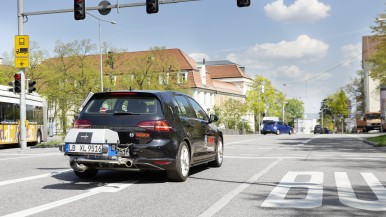
Stuttgart, Germany – Around the world, people are flocking from rural areas to cities. By 2050, there will be more than six billion people living in megacities, twice as many as now. Over the same period, the volume of urban traffic is set to increase threefold, not least because the continuing boom in online commerce will feed further growth in delivery traffic. A denser population and more traffic mean deteriorating air quality. Across the globe, from Paris to Shanghai, major cities therefore face a major challenge: providing mobility for people and goods while also improving the quality of the air we breathe. This is no easy task: according to the World Health Organization (WHO), around 90 percent of the world’s population now live in areas where air quality is poor. The Organization for Economic Cooperation and Development (OECD) estimates that the economic impact of air pollution is around 5 trillion dollars worldwide. Rising healthcare costs account for the lion’s share of this sum. “Clean air concerns us all,” says Dr. Volkmar Denner, the chairman of the board of management of Robert Bosch GmbH. “At Bosch, we recognize not only our global responsibility for climate action but also our local responsibility for combating air pollution. And to meet that, we need more technology, not less. With technology that is ‘Invented for life,’ we can help cities and make the world a better place.” Bosch is therefore working both beneath and beyond the engine hood in order to make mobility as emissions-free as possible. Moreover, as an employer, the company is also taking on responsibility for improving air quality around the globe. At Bosch, we recognize not only our global responsibility for climate action but also our local responsibility for combating air pollution. And to meet that, we need more technology, not less. With technology that is ‘Invented for life,’ we can help cities and make the world a better place....Dr. Volkmar Denner, the chairman of the board of management of Robert Bosch GmbH Understanding the factors behind air quality: different cities, different challenges Technological advances and policy changes have significantly improved air quality, especially in Europe and the United States. Poor air quality is not caused by vehicle emissions alone. Industry, agriculture, and the energy sector also contribute to air pollution in varying degrees around the world. Air composition varies sharply from one location to another – as do levels of airborne pollutants such as particulate matter, ozone, sulfur dioxide, and nitrogen oxides. Other factors impacting air quality include chemical processes in the atmosphere triggered by temperature gradients, wind conditions, and solar radiation. For example, sunlight increases ozone concentration, and ozone can react with nitrogen monoxide to form nitrogen dioxide (NO 2 ). To gain a better understanding of these processes and to collect more data on air pollutants at various locations in urban areas, Bosch has developed a system for measuring pollution. Installed in a compact housing, this technology is currently being trialed in the Stuttgart metropolitan area, Paris, and Marseille. Its purpose is to deliver reliable data on air quality, which can then be used, for example, to map air quality in real time across a city as a basis for more efficient traffic management. Beneath the engine hood: focusing on nitrogen oxide and particulate emissions Bosch is using its know-how and considerable financial resources to make cars fit for the future. This involves a two-pronged strategy: advancing the development of electromobility and achieving further refinements to the internal-combustion engine. The aim is to design an internal-combustion engine that no longer makes any appreciable contribution to air pollution in our cities. With the development of new technology for diesel-powered vehicles, Bosch has taken a major step in this direction. This technology, which is now being successively rolled out in production vehicles, will reduce the emission of nitrogen oxides to well below the level of future limits. In other words, nitrogen-oxide emissions from new diesel cars will no longer be relevant. Thanks to the introduction of the particulate filter, this has also been true of particulate emissions from diesel vehicles for quite some time now. Bosch is also pursuing this aim for gasoline engines, and making good progress: modifications to engines and efficient exhaust-gas treatment can bring particulate emissions down to a level roughly 70 percent lower than the Euro 6d temp standard. In Europe, Bosch no longer carries out any development work for gasoline engines that are not fitted with a particulate filter. At the same time, the company is also seeking to minimize the particulate emissions produced by braking systems. Developments here include the iDisc, which generates as little as ten percent of the brake dust produced by a conventional brake disc, and the regenerative braking system, which can cut brake dust by over 95 percent in electric vehicles. Beyond the engine hood: understanding, planning, and managing city traffic Bosch’s activities to improve air quality go beyond the engine hood as well. “We’re focusing on the big picture here,” Denner says, “and looking at long-term mobility trends, particularly in urban areas.” Bosch is now in talks with over 100 municipalities and regions across Europe. The aim is to improve air quality. On the basis of the acceleration and braking patterns of single vehicles, Bosch can reliably extrapolate to the behavior of the total fleet of vehicles on the road and thus to the total current emissions. Bosch is therefore now collecting anonymous data in Stuttgart and neighboring municipalities in order to determine how traffic must change to reduce emissions. It is on this basis that Bosch is advising cities on traffic planning and traffic management. In Stuttgart, for example, at Germany’s busiest traffic junction, Bosch has shown that by maintaining a steady flow of traffic, it is possible to reduce current vehicle emissions by as much as 20 percent. This is just one of many lines of attack currently being pursued by Bosch. Another is the launch of the e-scooter sharing service COUP. This Bosch subsidiary operates a combined fleet of 5,000 electric scooters, providing locally emissions-free mobility for people in Berlin, Paris, and Madrid. Bosch is also employing pure software solutions to improve air quality. The Triffix app, supplied by the Bosch startup of the same name, provides real-time customized routing information from A to B, including alternative routes, direct from the city’s traffic control center. In so doing, it helps prevent urban traffic from grinding to a halt. Responsibility as an employer: mobility management for associates Yet the very best way to stop traffic from coming to standstill is to prevent congestion altogether. This is the basic principle behind the mobility management system that Bosch operates for its associates. In the Stuttgart metropolitan area alone, some 50,000 Bosch associates, though only one-eighth of the company’s global headcount, cover a combined total of over 1.5 million kilometers a day. The solution is to use shuttle buses, which eliminates many of these individual journeys. Bosch runs shuttles not only in Stuttgart but also in Istanbul (Turkey), Curitiba and Campinas (Brazil), and Changsha, Beijing, Shanghai, and Suzhou (China). In Shanghai, for example, ten long-haul and seven short-haul buses transport more than 1,000 passengers a day. Alternatively, by using the ride-share platform SPLT, which Bosch acquired in 2018, associates can create their own carpool and commute to work together. This platform was recently introduced in Mexico and is now being used in the Stuttgart metropolitan area. In addition, Bosch associates are also being offered the option of telecommuting from home or from a more convenient company location. As Bosch’s broad-based approach shows, it will take a whole range of measures to improve air quality. Only by adopting such strategies will cities around the world be able to breathe easily again and continue to provide their swelling populations with a high quality of life.

How Bosch is taking action to improve air quality

09.05.2019

Press release

Business/economy

How Bosch is taking action to improve air quality

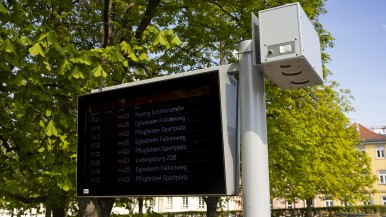
Stuttgart, Germany – Clean air concerns us all. Poor air quality is not caused by vehicle emissions alone. Manufacturing, agriculture, and the energy sector also contribute to air pollution, albeit to varying degrees in different parts of the world. The amount and types of airborne pollutants vary considerably from one location to another. Bosch is putting a host of measures aimed at improving air quality into place – measures that include, but are not limited to, technological innovations. The supplier of technology and services also offers its associates a wide range of opportunities to play their part in improving air quality.Mobility management at Bosch E-bike leasing: On average, half of all commuters in Germany travel less than ten kilometers to work. Bosch is helping its associates make the transition from four wheels to two with a subsidized bike-leasing scheme. On offer are conventional bicycles as well as e-bikes from some 4,000 dealerships. Bosch then handles all of the paperwork for a lease that includes insurance and inspections. The scheme is financed by a deferred compensation tax model with Bosch paying the first installment. The company then deducts subsequent installments from associates’ gross salary, which means they also enjoy a tax advantage. The program has caught on: more than 9,000 bicycles and e-bikes have been leased to date, including 1,500 in the greater Stuttgart area alone. Carpooling: Carpools are a great way to significantly reduce the number of cars on the road and improve air quality. Bosch helps its associates form carpools using its internal Bosch Connect platform. Associates can also share the commute to work with the help of the ridesharing platform SPLT, which Bosch acquired in 2018. After recently being introduced in Mexico, the platform is now being launched in the Stuttgart metropolitan area, where some 55,000 Bosch associates travel a combined distance of 1.5 million kilometers every day. Telecommuting: Thanks to a comprehensive telecommuting policy, Bosch associates are free to work from home or at a Bosch location closer to their home as the need arises. Associates may also opt for flextime to avoid rush-hour traffic and take advantage of more convenient public transportation connections. One in five Bosch associates in the Stuttgart area works from home for one day per week on average. Opting for public transportation when air pollution is high: Bosch associates have been able to use their company ID as a free ticket for Stuttgart’s public transportation network on days when fine particulate levels are high and the city issues an air quality alert. Shuttle buses: Bosch also operates shuttle buses for its associates working at locations such as Istanbul in Turkey, Curitiba and Campinas in Brazil, Changsha, Beijing, Shanghai, and Suzhou in China, and Stuttgart in Germany. The ten long-haul and seven short-haul buses in Shanghai, for example, together carry more than 1,000 passengers a day. Bosch innovations under the hood 48-volt powertrain: Bosch has developed a 48-volt powertrain system tailored for urban mobility and featuring a finely tuned package of electric motor, ECU, battery, charger unit, display, and app. Bosch is thus making urban mobility more efficient. On top of that, rapid acceleration from a standstill makes for a “wow” factor. Whether two, three, or four wheels, this system is available for all classes of light electric vehicles. As it is made up of off-the-shelf automotive components, manufacturers will have the benefit of production-tested parts and minimal development expense. This gives both established automakers and new players the opportunity to launch vehicles within 12 to 18 months. Electromobility: Bosch wants to be the go-to partner for electric driving, and to be the leader in the mass market for electromobility that will emerge after 2020. In the electromobility business, no automotive supplier is as broadly diversified as Bosch – from bicycles to trucks. The company’s electric powertrain components already feature in more than a million vehicles around the world. Its portfolio ranges from power electronics, 48-volt mild hybrid batteries, and electric motors to electric axle systems. iDisc: A new brake disc from Bosch is helping to tackle the problem of particulate matter pollution in cities. The iDisc generates 90 percent less brake dust than a conventional brake disc. On top of that, its tungsten carbide coating reduces wear and increases reliability. The iDisc is suitable for all types of vehicle, from electric cars to vans and trucks. New diesel technology: Bosch continues to advance the state of the art in diesel technology. The company has managed to cut diesel vehicles’ NOx road emissions to well below the statutory limit that will take effect in 2020. It achieved this result using a sophisticated combination of engine and exhaust-gas treatment in which thermal management plays a pivotal role. Regenerative braking: Bosch’s regenerative braking systems are key components of hybrid and electric vehicles. They extend electric vehicles’ range and reduce brake dust emissions by more than 95 percent. When vehicles equipped with these systems brake, their kinetic energy is recuperated and stored in a high-voltage battery for the electric motor to use. With conventional vehicle, most of this energy dissipates into the environment. Bosch technology beyond the hood Community-based parking: Drivers looking for a place to park account for around a third of city traffic. Bosch’s community-based parking simplifies the search for a suitable spot. The vehicle uses the parking assist system’s ultrasonic sensors to identify and measure the gaps between parked cars as it drives past. The system uploads the collected data to a digital parking map in real time for all connected cars to access. Drivers can then simply let themselves be guided straight to the nearest free space. COUP: Bosch’s e-scooter sharing service provides emission-free local transportation to users in Paris, Madrid, and Berlin. The COUP fleet count stands at 5,000 e-scooters. Anyone 21 years or older with a Class B or international driver’s license is welcome to use the service. Finding the nearest e-scooter is an exercise in convenience with the service’s app. Reserve, pay, and set off – no key required. A helmet and two spare batteries are located under the seat. COUP recharges the batteries; customer don’t need to worry about anything. Powered by green electricity, these scooters travel at speeds up to 45 kph and may simply be parked after use in designated zones within the area served by COUP. Air-pollution measurement system: Air quality is usually only measured at a few locations with large and expensive stationary equipment. Despite this, the readings from a single measurement point are often used to generalize about air quality across the entire city. To better understand the relationship between different emissions sources and the environment, Bosch has developed a new air-pollution measurement system. The compact boxes can be flexibly deployed around urban areas, for example mounted on streetlights or bus shelters. They measure particulate matter and nitrogen dioxide as well as temperature, pressure, and humidity in real time. Bosch creates an air-quality map on the basis of this data and uses it to advise German and international cities on traffic planning and management. In Stuttgart, at Germany’s busiest traffic junction, the company demonstrated that maintaining a steady flow of traffic can reduce the existing fleet’s pollutant emissions by as much as 20 percent. moveBW: This mobility assistant app provides a digital traffic management service for urban areas. Headed up by Bosch and based in Stuttgart, the mobility platform intelligently plans journeys that link and flexibly combine all modes of transportation. moveBW considers individual wishes as well as collective needs in its traffic management. Designed to avoid traffic jams, the app guides commuters to the nearest park-and-ride location. Unlike conventional routing applications, moveBW has access to municipal traffic data. With real-time access to information, it is able to provide extremely precise routing recommendations. Triffix: This Bosch startup’s eponymous app transmits rapid, route-specific traffic reports. Drivers only receive traffic updates that are relevant to their itinerary. The startup’s partnership with the Stuttgart traffic control center allows it to provide real-time alerts about events such as accident-induced traffic jams. Instant messages pushed to smartphones enable drivers to better plan alternative routes and avoid lengthy traffic jams. A second pilot phase is currently underway in Stuttgart.

Bosch scores big in Japan with clever technology

07.06.2018

Press release

Business/economy

Bosch scores big in Japan with clever technology

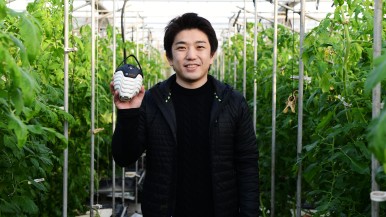
Tokyo – The Bosch Group is scoring big in Japan thanks to its innovative and intelligent solutions for the local market as well as for the global Japanese automotive industry. “Bosch has made impressive progress in Japan. We are working with Japanese automakers to drive forward the automation, electrification, and connectivity of mobility. In addition, we are increasingly focusing on IoT solutions, such as smart agriculture,” says Klaus Meder, the president of Bosch Japan. Last year, the leading supplier of technology and services recorded sales of 2.3 billion euros in Japan, an increase of roughly 10 percent over the previous year. Bosch Japan also made a good start to 2018, mainly due to strong growth for the Mobility Solutions business sector, which generates a significant share of the company’s sales in Japan. In 2017, the company grew twice as fast in this area as the local market. The Industrial Technology business sector also performed well. Bosch has been operating in Japan since 1911 and currently employs some 6,600 people in the country.Business with Japanese automakers sees double-digit growth In 2017, Bosch’s global sales to Japanese automakers rose year-on-year by around 11 percent, which makes it the sixth year in a row these have posted double-digit growth. Looking ahead, Bosch expects this trend to continue over the medium term. Bosch not only supplies Japanese automakers locally, but also works closely with them around the globe. In the ASEAN region, for example, Japanese automakers enjoy a market share of around 90 percent. Accordingly, the region is a focus of investment for the Bosch Group. For instance, at the end of 2017, the company opened its second plant for mobility solutions in Thailand, representing a total investment of 80 million euros. The new smart factory in Hemaraj manufactures components including injection valves, interconnect technology, and knock sensors. The site also houses a research and development center at which around 60 associates work on the further refinement of gasoline injection systems. Bosch is also expanding its manufacturing operations in Vietnam. Since 2008, the company has been producing push belts for continuously variable automatic transmissions in Dong Nai, which is located about 40 km east of Ho Chi Minh City. Bosch is currently investing around 60 million euros to convert this plant into a smart factory and increase its production capacity. By the end of 2018, total investment in the site will have exceed 320 million euros since 2011. Expanding IoT business: smart farming solutions In addition to its mobility solutions business, Bosch is also focusing on developing connected solutions in Japan, for which it is drawing on the country's high degree of innovative strength. Last year, for example, saw the launch of Plantec, a smart system for optimizing tomato cultivation in Japanese greenhouses. The solution is tailored to the local market, as greenhouse cultivation is particularly widespread in the country. Plantec uses sensors to measure humidity, temperature, carbon dioxide levels, and sunlight. These environmental parameters are crucial for plant growth and data on them is collected and sent via a gateway to a cloud server. There, a system analyzes the data and takes into account additional important agricultural parameters as well as the weather forecast. The results of the analysis are displayed in an app. The system can analyze the risk of infection and use artificial intelligence to plan the use of pesticides in advance. It can thus help farmers minimize crop loss. Work on this project is being carried out in conjunction with the Bosch Center for Artificial Intelligence (BCAI). At the end of 2018, the company plans to expand this service to strawberry and cucumber cultivation. Bosch's goal is to supply around 10 percent of Japan's greenhouses by 2020.

Breakthrough: new Bosch diesel technology provides solution to NOx problem

25.04.2018

Press release

Sustainability

Breakthrough: new Bosch diesel technology provides solution to NOx problem

Stuttgart and Renningen, Germany: “There’s a future for diesel. Today, we want to put a stop, once and for all, to the debate about the demise of diesel technology.” It was with these words that the Bosch CEO Dr. Volkmar Denner, speaking at the company’s annual press conference, announced a decisive breakthrough in diesel technology. New developments from Bosch could enable vehicle manufacturers to reduce emissions of nitrogen oxides (NOx) so drastically that they already comply with future limits. Even in RDE (real driving emissions) testing, emissions from vehicles equipped with the newly premiered Bosch diesel technology are not only significantly below current limits but also those scheduled to come into force from 2020. Bosch engineers achieved these results by refining existing technologies. There is no need for additional components, which would drive up costs. “Bosch is pushing the boundaries of what is technically feasible,” Denner said. “Equipped with the latest Bosch technology, diesel vehicles will be classed as low-emission vehicles and yet remain affordable.” The Bosch CEO also called for greater transparency with regard to the CO₂ emissions caused by road traffic, and called for fuel consumption and thus CO₂ emissions to be also measured under real conditions on the road in the future.Record readings under real driving conditions: 13 mg NOx per kilometer Since 2017, European legislation has required that new passenger car models tested according to an RDE-compliant mix of urban, extra-urban, and freeway cycles emit no more than 168 milligrams of NOx per kilometer. As of 2020, this limit will be cut to 120 milligrams. But even today, vehicles equipped with Bosch diesel technology can achieve as little as 13 milligrams of NOx in standard legally-compliant RDE cycles. That is approximately one-tenth of the prescribed limit that will apply after 2020. And even when driving in particularly challenging urban conditions, where test parameters are well in excess of legal requirements, the average emissions of the Bosch test vehicles are as low as 40 milligrams per kilometer. Bosch engineers have achieved this decisive breakthrough over the past few months. A combination of advanced fuel-injection technology, a newly developed air management system, and intelligent temperature management has made such low readings possible. NOx emissions can now remain below the legally permitted level in all driving situations, irrespective of whether the vehicle is driven dynamically or slowly, in freezing conditions or in summer temperatures, on the freeway or in congested city traffic. “Diesel will remain an option in urban traffic, whether drivers are tradespeople or commuters,” Denner said. Bosch delivered proof of this innovative advance at a major press event in Stuttgart. Dozens of journalists, from both Germany and abroad, had the opportunity to drive test vehicles equipped with mobile measuring equipment in heavy city traffic, under especially challenging conditions. The results recorded by the journalists, along with the route driven, can be viewed here . As the measures to reduce NOx emissions do not significantly impact consumption, the diesel retains its comparative advantage in terms of fuel economy, CO₂ emissions, and therefore climate-friendliness. Artificial intelligence can further boost combustion engines’ performance Even with this technological advance, the diesel engine has not yet reached its full development potential. Bosch now aims to use artificial intelligence to build on these latest advances. This will mark another step toward a major landmark: the development of a combustion engine that – with the exception of CO₂ – has virtually no impact on the ambient air. “We firmly believe that the diesel engine will continue to play an important role in the options for future mobility. Until electromobility breaks through to the mass market, we will still need these highly efficient combustion engines,” Denner said. His ambitious target for Bosch engineers is the development of a new generation of diesel and gasoline engines that produce no significant particulate or NOx emissions. Even at Stuttgart’s Neckartor, a notorious pollution black spot, he wants future combustion engines to be responsible for no more than one microgram of NOx per cubic meter of ambient air – the equivalent of one-fortieth, or 2.5 percent, of today’s limit of 40 micrograms per cubic meter. Bosch wants to go further: transparency and realistic testing for consumption and CO₂ Denner also called for a renewed focus on CO₂ emissions, which are directly related to fuel consumption. He said that consumption tests should no longer be conducted in the lab but rather under real driving conditions. This would create a system comparable to the one used for measuring emissions. “That means greater transparency for the consumer and more focused climate action,” Denner said. Moreover, any assessment of CO₂ emissions should extend significantly further than the fuel tank or the battery: “We need a transparent assessment of the overall CO₂ emissions produced by road traffic, including not only the emissions of the vehicles themselves but also the emissions caused by the production of the fuel or electricity used to power them,” Denner said. He added that a more inclusive CO₂ footprint would provide drivers of electric vehicles with a more realistic picture of the impact of this form of mobility on the climate. At the same time, the use of non-fossil fuels could further improve the CO₂ footprint of combustion engines. Product development code: ethical technology design Denner, who also has corporate responsibility for research and advance engineering, presented Bosch’s product development code to the general public. This lays down the company’s principles for the development of Bosch products. First, the incorporation of functions that automatically detect test cycles is strictly forbidden. Second, Bosch products must not be optimized for test situations. Third, normal, everyday use of Bosch products should safeguard human life as well as conserve resources and protect the environment to the greatest possible extent. “In addition, the principle of legality and our ‘Invented for life’ ethos guide our actions. If in doubt, Bosch values take precedence over customers’ wishes,” Denner said. Since mid-2017, for example, Bosch has no longer been involved in customer projects in Europe for gasoline engines that do not involve the use of a particulate filter. A total of 70,000 associates, mainly from research and development, will receive training in the new principles by the end of 2018, as part of the most extensive training program in the company’s more than 130-year history. Technical questions and answers on the new Bosch diesel technology What distinguishes the new diesel technology? To date, two factors have hindered the reduction of NOx emissions in diesel vehicles. The first of these is driving style. The technological solution developed by Bosch is a highly responsive air-flow management system for the engine. A dynamic driving style demands an equally dynamic recirculation of exhaust gases. This can be achieved with the use of a RDE-optimized turbocharger that reacts more quickly than conventional turbochargers. Thanks to a combination of high- and low-pressure exhaust-gas recirculation, the air-flow management system becomes even more flexible. This means drivers can drive off at speed without a spike in emissions. Equally important is the influence of temperature. To ensure optimum NOx conversion, the exhaust gases must be hotter than 200 degrees Celsius. In urban driving, vehicles frequently fail to reach this temperature. Bosch has therefore opted for a sophisticated thermal management system for the diesel engine. This actively regulates the exhaust-gas temperature, thereby ensuring that the exhaust system stays hot enough to function within a stable temperature range and that emissions remain at a low level. When will the technology be ready for production? Bosch’s new diesel system is based on components that are already available in the market. It is available to customers effective immediately and can be incorporated into production projects. Why is urban driving more demanding than extra-urban or freeway driving? To ensure optimum NOx conversion, the exhaust gases must be hotter than 200 degrees Celsius. This temperature is often not reached in urban driving, when cars are stuck in gridlock or stop-and-go traffic. As a result, the exhaust system cools down. Bosch’s new thermal management system remedies this problem by actively regulating the exhaust gas temperature. Does the temperature regulation require an auxiliary 48-volt heater installed in the exhaust-gas system or additional components of a similar kind? Bosch’s new diesel system is based on components already available in the market and does not require an additional 48-volt on-board electrical system. Will the new Bosch technology make the diesel engine significantly more expensive? The Bosch diesel technology is based on components already in use in production vehicles. The decisive advance comes from a new combination of existing technology. It does not require any additional hardware components. So reducing emissions will not make diesel vehicles any less affordable. Will the diesel engine lose its comparative advantage in fuel economy and climate-friendliness as a result of the new technology? No. Our engineers’ goal was clear: to reduce NOx emissions while retaining the diesel’s comparative advantage in terms of CO₂ emissions. Diesel will thus remain a climate-friendly option. When will the diesel technology be available for customers to buy? The new Bosch diesel powertrain is largely based on components that are available in the market or close to going into production. Effective immediately, therefore, it is available to customers for incorporation into production projects. Parts of the technology already feature in new production vehicles, where they are already producing excellent results. In Bosch’s view, the technology presented in test vehicles can be standard equipment within two to three years – in the time up to then, diesel vehicles will gradually come closer to the 13 milligram mark for NOx emissions in the RDE cycle. Bosch has already actively contributed many insights to its 300 RDE projects with automakers, and will keep them informed of any new progress. You call it a breakthrough, but then say the parts are close to going into production. Isn’t that a contradiction? The Bosch diesel technology is based on components already in use or about to be used in production vehicles. The decisive advance is based on an intelligent combination of engine optimization and exhaust-gas treatment. There is no need for additional components that would make the powertrain more expensive. As a matter of principle, however, the vehicle concept must be compatible with either Euro 6d temp or Euro 6d, which means, for example, that it must have an SCR AdBlue system on board. The technology will make diesel vehicles low emitters, preserve their CO₂ advantage, and keep them affordable, even in the compact class. If Bosch is mainly making use of existing hardware, why are we only seeing this technology now, instead of some years ago? It was especially the new kind of RDE tests that speeded up progress. But for such tests to become reality, a new technology was needed that was capable of measuring vehicles’ emissions in road traffic. A reliable portable emissions measurement system (PEMS) for passenger cars has only been available since 2013. And only since then have we had a detailed picture of where we have to focus our engineering work and what driving situations are especially challenging. The road tests served as a catalyst for development. What does this technology mean for urban air quality? To find this out, Bosch asked an independent engineering firm to carry out a precise analysis. It looked at air quality at Neckartor in Stuttgart, a notorious air-pollution black spot. The results of the data analysis are clear: if all diesel vehicles were equipped with the latest Bosch exhaust technology, their share of local pollution would be negligible, and they would remain well within the limits set by the EU, even at Neckartor. Can the new Bosch diesel technology be retrofitted? It should be remembered that the success of the Bosch demonstration vehicle was only possible after combining various features in a complete package. In this respect, it makes little sense to retrofit individual components. As a matter of principle, for example, the vehicle concept must be compatible with either Euro 6d temp or Euro 6d, which means, for example, that it must have an SCR AdBlue system on board. What distinguishes the new diesel technology? To date, two factors have hindered the reduction of NOx emissions in diesel vehicles. The first of these is driving style. The technological solution developed by Bosch is a highly responsive air-flow management system for the engine. A dynamic driving style demands an equally dynamic recirculation of exhaust gases. This can be achieved with the use of a turbocharger that reacts more quickly than conventional turbochargers. Thanks to a combination of high- and low-pressure exhaust-gas recirculation, the air-flow management system becomes even more flexible. This means drivers can drive off at speed without a spike in emissions. Equally important is the influence of temperature. To ensure optimum NOx conversion, the exhaust gases must be hotter than 200 degrees Celsius. In urban driving, vehicles frequently fail to reach this temperature. Bosch has therefore opted for a sophisticated thermal management system for the diesel engine. This actively regulates the exhaust-gas temperature, thereby ensuring that the exhaust system stays hot enough to function within a stable temperature range and that emissions remain at a low level. Hasn’t the technology come too late to prevent driving bans? Staying within air pollution limits at black spots such as Neckartor calls for a raft of measures – they include reduced vehicle emissions equally as much as measures to keep traffic flowing steadily. All these have to be exploited to avoid driving bans. As far as diesel is concerned, normal fleet renewal alone will cause NOx pollution to fall further. Following our breakthrough, we are convinced that in the future, no one will be able to impose a blanket ban on diesel in cities – it will keep its place in urban traffic, too, whether for tradespeople or commuters. Is this complex technology also affordable in compact vehicles? Bosch assumes that the cost of the powertrain will be roughly comparable with a modern diesel powertrain equipped with an SCR AdBlue system. Significantly, the new diesel powertrain was premiered in a compact vehicle. Bosch believes the broad mass of vehicles using the new diesel technology will have a displacement of up to 1.6 liters. This includes the compact class. The system can of course be upscaled for larger vehicle classes such as SUVs. How will AdBlue consumption be affected? In the trial vehicle, AdBlue consumption is roughly 1.5 liters per 1,000 kilometers, even with sporty driving. How will fuel consumption be affected? The aim of our engineering work was to preserve diesel technology’s CO₂ advantage, and thus its lower consumption values compared with gasoline technology. We succeeded in that. The Bosch trial vehicle does not consume any more fuel than a comparable diesel vehicle. How much engineering effort went into the new diesel technology? Over the past few years, roughly 100 engineers have been involved in work on the new technology. The total cost ran into eight figures.