Search and find:
Photos, videos, releases, events to support your reporting about the Bosch Group

Bosch announces $225 million direct funding agreement with the U.S. Department o ...

13.07.2026

Press release

Business/economy

Bosch announces $225 million direct funding agreement with the U.S. Department o ...

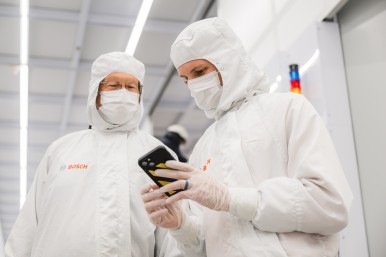
Roseville, California – Bosch, a leading provider of technology and services and the largest automotive supplier in the world according to external rankings, announced a definitive agreement with the Trump Administration for up to $225 million in direct funding from the Department of Commerce’s CHIPS Program Office to support the up to $2 billion Bosch is investing to transform its Roseville, California site for the production of silicon carbide (SiC) semiconductors. The Roseville facility, which has more than 40 years of experience in semiconductor manufacturing, is undergoing a profound evolution into a facility that produces and tests SiC semiconductors with state-of-the-art processes and equipment. Bosch also announced it has begun sample production in Roseville as the company intends to produce its first commercial production chips on 200-millimeter wafers based on the pioneering SiC Bosch technology in 2026. “The start of sample production and our agreement with the Department of Commerce is a milestone in providing our local customers with what they have requested – localized U.S.-based manufacturing,” said Paul Thomas, president and CEO of Bosch in North America. The production of silicon carbide chips in the United States helps to support supply chain resiliency and capitalizes on the expertise of U.S. manufacturing associates to bring this technology to the U.S. market in a timely manner....Paul Thomas, president and CEO of Bosch in North America. “The Trump Administration is committed to developing a secure supply chain here in the United States that will enable continued innovation and competitive leadership in industries of national and economic security importance,” said Secretary of Commerce Howard Lutnick. As part of its investment into U.S. manufacturing at the Roseville site, Bosch has developed a new cleanroom space and high-tech manufacturing line for production of silicon carbide chips. Bosch has accelerated its time-to-market through investment into a long-standing U.S.-based manufacturing facility with highly-skilled U.S.-based associates who bring specific semiconductor experience. In April 2023, Bosch announced its intention to acquire the assets of the existing wafer fab in Roseville. The acquisition was closed in August 2023 and since that time Bosch began to transform the site while also maintaining employment of the existing associates throughout the transformation process. Bosch invested in the further development of Roseville associates through training and collaboration with the Bosch production network. Bosch has a long-standing commitment to the U.S. and is celebrating its 120th anniversary in the country in 2026. The company plans to invest up to $7.5 billion over the next five years across its operations in the U.S. as it heads towards its 125th anniversary of U.S. operations in 2031. “We are focused on growth and investment in the United States in order to increase the share of our global portfolio that is represented by North America and the U.S. specifically,” Thomas said. “The Roseville investment is a key milestone in our 120 years in the U.S., and we are appreciative of the support of the Administration as we look to accelerate our growth here.” Silicon carbide: essential for future mobility & efficiency Silicon carbide chips are becoming foundational in electric and next-generation mobility systems as they handle high voltages, high temperatures, and fast switching more efficiently. They also enable automotive manufacturers with a technology that supports consumer choice in the market as it helps to enable greater range and more efficient recharging in battery-electric vehicles and plug-in hybrid vehicles. Recently, Bosch announced its third-generation silicon carbide chips that deliver up to 20 percent higher performance and are smaller than the previous generation. In the near future, Bosch plans to manufacture third-generation silicon carbide chips in Roseville. The new generation helps to enable greater cost efficiency and supports making high-performance electronics more widely available worldwide. Bosch has already delivered more than 60 million SiC chips worldwide since the first generation went into production in 2021. In addition to mobility applications, silicon carbide also has potential uses in other business sectors including industrial energy applications for energy consumption effectiveness in data centers, since SiC chips enable higher-efficiency, higher-power conversion with less heat, and smaller components, making them ideal to support rapidly growing AI workloads while reducing energy and cooling demands. “Silicon carbide semiconductors are the enabling technology behind the electrification in multiple critical industries including energy, automotive, and defense. The CHIPS Program incentive supports Bosch’s effort to onshore silicon carbide technology that will bolster supply chain resiliency for our country,” said Bill Frauenhofer, Executive Director for Semiconductor Innovation and Investment at the Department of Commerce. The Roseville site represents the first semiconductor production site in the United States for Bosch and is one of 20 facilities with manufacturing operations in the U.S. for Bosch across the company’s broad portfolio. Bosch employs around 10,000 associates working in manufacturing operations in the United States. The company has invested significant capital in the U.S. over the past five years, the majority of which is focused on manufacturing. The Roseville facility has nearly 40 years of extensive experience in the production of semiconductors for automotive and industrial applications, which it will now apply to the production of silicon carbide chips. In addition, the Roseville site has also been awarded a $25 million California Competes Tax Credit incentive from the Governor’s Office of Business & Economic Development (GO-Biz) to support redevelopment and investment in Roseville. The Bosch site in Roseville, California, currently employs more than 300 associates, with potential to grow in the future based on market development. Along with advancing the skills of its current associates, Bosch is making local investments to strengthen future semiconductor talent in the United States. Beginning in 2026, Bosch plans to invest more than $100,000 per year in the Roseville community through the Bosch Community Fund, the regional foundation for Bosch in North America. Since 2024, the Bosch Community Fund has invested $200,000 in grant awards to schools and nonprofits in support of science, technology, engineering, and math (STEM) education initiatives, impacting nearly 1,500 students and teachers in the Roseville area. These strategic investments by the Bosch Community Fund will empower students, educators, and community members to foster innovation and strengthen workforce development in the region. As an example, the Sierra College Foundation in Rocklin, California, received a grant award in support of its Career Technical Education Support Fund. This grant helped cover expenses such as certification costs, microcontroller kits, development materials, software, protective equipment, tools, competition entry and travel fees, and project resources for STEM clubs and programs. Supporting quotes: “We applaud suppliers who are taking action to localize production. A resilient supply chain is essential to the future of the automotive industry and advanced mobility. Bosch’s investment strengthens the availability of critical technologies that support U.S. vehicle manufacturing.” – Liz Door, Chief Supply Chain Officer, Ford Motor Company “The introduction of silicon carbide semiconductor manufacturing in the United States is a critical step toward building a resilient domestic supply chain, strengthening access to high-performance power electronics essential for improving the range, efficiency and affordability of electric vehicles. Bosch's investment in domestic manufacturing helps accelerate innovation while supporting the growth of American EV production at scale.” – Neil Marsons, Chief Supply Chain Officer, Lucid “This initiative will help drive innovation and expand a highly skilled workforce in our region, further establishing Roseville as a center for cutting-edge manufacturing. It’s a strong example of how strategic investment can reinforce America’s semiconductor leadership.” – Kevin Kiley, U.S. Congressman representing California's 3rd District “Today’s announcement is a pivotal moment for semiconductor manufacturing —and for the technologies that will define our future. In this next phase, Bosch’s partnership with the Department of Commerce under the CHIPS for America program will scale silicon carbide chip production, expand operations and create more jobs at home. When we build these capabilities in the United States, we’re not just making chips—we’re securing our economic strength and national security for decades to come.” – Jay Timmons, President and CEO, National Association of Manufacturers (NAM) "When I co-authored the original CHIPS Act, I believed investments like this could help communities like Sacramento lead the next era of American manufacturing. This $225 million federal investment will strengthen our economy, ensure a resilient supply chain, and build on Sacramento's place at the forefront of innovation." – Doris Matsui, U.S. Congresswoman representing California’s 7th District "Bosch's investment in Roseville is a powerful testament to California's unmatched talent and commitment to growing advanced manufacturing at scale. This project will not only create good-paying jobs for the greater Sacramento region, but also strengthen the state's semiconductor supply chain and reinforce our global leadership in next-generation chip production.” – Dee Dee Myers, Senior Advisor to Governor Newsom and Director of the Governor’s Office of Business and Economic Development (GO-Biz) “A CHIPS award for Bosch is more than an investment in one company; it's confirmation that the Sacramento region has arrived as a national hub for innovation, advanced manufacturing, and next-generation industry. It accelerates the momentum we've built and sends a clear signal: this is where global companies come to scale, collaborate, and lead.” – Krista Bernasconi, Mayor of Roseville “Sierra College is proud to collaborate with Bosch to deliver the specialized technical training and talent pipeline necessary for our region’s semiconductor manufacturing success. A CHIPS investment in Bosch’s Roseville operations will be transformative, providing a vital industrial foundation for the region, with Sierra College ready to expand educational pathways to prepare students for high-demand STEM careers that will contribute to the region’s long-term economic growth.” – Willy Duncan, Superintendent/President, Sierra Community College District “Bosch’s investment in the Greater Sacramento region strengthens our economy, accelerates growth in the semiconductor industry and reinforces the United States' leadership in advanced technology.” – Barry Broome, President & CEO of Greater Sacramento Economic Council

Bosch launches SkyQ intelligent control system to maximize HVAC performance with ...

11.06.2026

Press release

Business/economy

Bosch launches SkyQ intelligent control system to maximize HVAC performance with ...

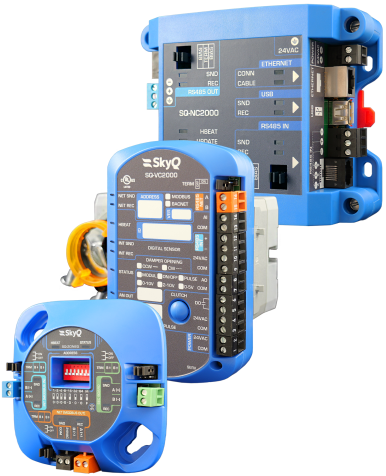
NORMAN, OKLA., June 8, 2026 – Bosch Home Comfort Group is redefining light commercial HVAC installation and performance with the launch of SkyQ. The intelligent control system is engineered specifically for small to mid-sized buildings to deliver advanced, system-wide HVAC control without the complexities and costs of traditional building automation systems (BAS). Small and mid-sized facilities account for an estimated 95% of commercial buildings within the U.S. Yet fewer than 20% utilize a BAS 1 , leaving many operators without the data required to verify proper HVAC commissioning and optimize ongoing building performance. “Building automation has experienced incredible advancements in recent years, but many of these innovations fail to address the practical needs of light commercial operations. The complexity of many platforms slow day-to-day workflows with complicated interfaces, and elaborate networking structures can make it difficult to integrate legacy equipment,” said Dan Tyson, senior product manager, Bosch Home Comfort Group. “SkyQ was engineered with a clear understanding of how these buildings actually operate to deliver an intuitive, streamlined control experience that unlocks the full value of light commercial HVAC systems.” Using a centralized platform, SkyQ connects rooftop units (RTUs), sensors, thermostats and field devices across the building to optimize performance, drive energy efficiency, reduce operational costs and minimize unplanned downtime – all without requiring extensive control knowledge. With intelligent insight from day one, building teams gain clear energy and performance data with centralized control via easy-to-use dashboards and remote access. Built-in self-monitoring provides fault detection and performance data to empower building teams with the information they need to reduce energy waste, lower operating costs and ensure occupant comfort. If an issue arises, a simplified alert system quickly detects and pinpoints the problem and sends a notification, reducing downtime and minimizing unnecessary run-time. The SkyQ platform is pre-programmed to connect to both new R-454B and existing R-410A packaged and split light commercial HVAC systems with smart equipment controls. For contractors, this streamlines equipment installation and eliminates complex commissioning. Using the intuitive SkyQ interface, technicians can standardize equipment setup and view each RTU system from a single platform, allowing them to quickly assess proper operation. With a suite of flexible options, SkyQ can be easily adjusted to meet the needs of most small and mid-sized commercial buildings. For zoned applications, individualized controllers establish distinct areas of independent airflow and temperature control based on real-time demand. For applications with challenging wiring requirements, wireless connectivity with a 2,000-foot line-of-sight range adds unmatched flexibility. In addition, SkyQ is equipped with premium features including graphics and cloud connectivity without added costs or subscription requirements. SkyQ is available now and backed by a three-year parts warranty and experienced controls support staff. For more information about the Bosch SkyQ controls platform for light commercial buildings visit: https://skyqcontrols.com. 1 American Council for an Energy-Efficient Economy, “Going Big on Small Buildings: Spotlight on Efforts to Improve Controls for Packaged Rooftop HVAC Units” (2024), https://www.aceee.org/sites/default/files/proceedings/ssb24/pdfs/20240722163106359_e248936e-7852-4c5b-8784-31af1d738e4a.pdf

BCW 2026: Bosch pushes ahead with technologies for automation and robotics

10.06.2026

Press release

Business/economy

BCW 2026: Bosch pushes ahead with technologies for automation and robotics

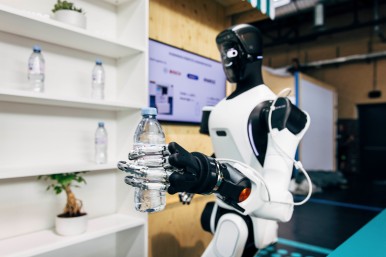
Farmington Hills, Mich. – Advanced robotics and, in particular, the very dynamic growth of humanoid systems are heralding the next stage of automation. Bosch is already playing a major role in shaping this development and is actively pushing ahead with key technologies for automation and robotics. “Sophisticated sensor technology, software, and the efficient conversion of electrical energy into motion aren’t just technologically related to automated mobility – they’re the cornerstones of modern robotics,” said Stefan Hartung, chairman of the board of management of Robert Bosch GmbH, at the Bosch Connected World (BCW) industry event in Berlin. Bosch was quick to respond to the growing demand for automation and robotics technologies and is already a sought-after and attractive commercialization partner and component supplier worldwide. With the advent of humanoid robotics, the demand for Bosch components and solutions is increasing....Hartung added With its comprehensive expertise, the company is well positioned to participate in the growth of the robotics market. Bosch sees the potential to develop a business worth billions in this field. The company is putting its faith in synergy effects to achieve this. “We’re combining proven technologies from various business sectors with visionary innovations to drive forward the industrial scaling of robotics – all the way to humanoids,” Hartung said. “We also hope that committing to this course will strengthen Europe as a technology location.” Moreover, Bosch is making targeted use of automation to increase the competitiveness of its German plants compared to the rest of the world as well as to counteract the ever more acute shortage of skilled workers. Robotics needs a delicate touch “Bosch is moving the future – on wheels and with arms,” says Tanja Rueckert, member of the board of management of Robert Bosch GmbH. The company is deploying its cross-domain automation expertise – from the car to the factory to the home – as its decisive advantage in shaping this growth market. Bosch is positioning itself not as a manufacturer of humanoid robots, but as a leading supplier and partner for the “brain and nervous system” of modern automation and robotics. At the heart of these flexible solutions is Bosch’s open ctrlX AUTOMATION platform. “This makes robotics accessible, modular, and quick to integrate. We’re already enabling our customers to combine driverless transport systems with high-precision robot arms, for example, which can then take over tasks in existing processes in a stable and flexible manner,” Rueckert says. The Bosch Rexroth division is currently implementing several customer projects in this area. Robots need a keen sense of touch so that they can interact safely and precisely with their environment, whether in the factory or in the home. A tiny but indispensable technology gives robots precisely this tactile sense: microelectromechanical systems, known as MEMS sensors. They are the key to enabling robots to handle objects with the necessary finesse and react sensitively to physical contact. For example, it’s these sensors that give a robot the ability to precisely adjust its grip to a robust water glass or a delicate stemmed glass. Bosch is the global market leader in this key technology field of MEMS sensors, which is central to the company’s Reutlingen semiconductor location. “Humans have 4 million touch sensors. If we were to build robots with just as many sensors, then 4 years’ worth of worldwide sensor production would barely be enough for 12,500 robots,” Hartung says. This figure illustrates the immense potential in the future of automation and robotics – and Bosch’s key role in that future. According to the Yole Group , a market research and strategy consultancy, the market for MEMS sensors – a market Bosch leads – is expected to grow to over 19.2 billion U.S. dollars by 2030 and achieve an average annual growth rate of 4 percent. 1 Source: Status of the MEMS Industry 2025 report, Yole Group. Bosch is working to further develop cognitive robots To accelerate development in automation and robotics, Bosch is relying on a combination of targeted in-house innovation and an open ecosystem approach. To this end, the company founded Robert Bosch Robotics GmbH, a specialized unit that focuses on the development and commercialization of new robotics solutions. At the same time, Bosch is continuing to drive forward industrial scaling through strategic partnerships. For example, the company is working together with the German Start-up Neura Robotics to further develop cognitive robots. Thanks to its deep manufacturing expertise, Bosch also acts as a key partner for leading robotics startups from around the world including Humanoid from the U.K., and other U.S. and Chinese partners, and is bringing their prototypes to production scale. Bosch has pooled its activities in China in particular in the Bosch Robotics Center China (BROC), which was established at the beginning of the year and is driving forward the development of physical AI and the commercialization of robotics solutions. In addition to the robots’ “intelligence,” Bosch’s strength lies in the crucial components that give robots their physical performance. Bosch Rexroth has a comprehensive portfolio of key components for modern robotics and factory automation. These include high-precision electric motors and powerful servo drives that ensure dynamic and precise movements, as well as CtrlX AUTOMATION for smart, flexible control of robots for a range of environments and requirements. Bosch also offers complex assemblies and subsystems that give robots the power, speed, and precision they need, meaning these components serve as the technological backbone for various automation tasks. Moreover, Bosch can provide support with factory equipment for robotics manufacturing, for example with Rexroth conveyor systems. Unique treasure trove of data from over 230 plants worldwide Artificial intelligence (AI) is the engine that gives automation and robotics new capabilities. “The combination of cutting-edge electronics and mechanics with AI puts significant technological breakthroughs in automation and robotics within reach,” Rueckert says. “For example, it enables robots to perceive their environment, understand processes, and learn from experience.” Bosch has embedded this key technology firmly in its strategy and uses it on two levels. First, the company is bringing AI models from the cloud directly into its physical products to enable automated operation. Second, Bosch already makes extensive use of AI in its own manufacturing, for example in the optimization of production processes, in predictive maintenance, and in optical fault detection. The foundation for these learning AI systems is a treasure trove of data from over 230 Bosch plants worldwide that is unique in the industry. “Our decisive competitive advantage is not the machinery alone, but the data from our global manufacturing network,” Rueckert says. “This treasure trove of data is the raw material from which we’re developing the intelligent automation solutions of the future.” In addition, to translate human expertise into machine-readable data, Bosch uses special data suits that record complex movement sequences as a basis for training. The company is specifically contributing this expertise to its partnership with Neura Robotics in order to accelerate the development of cognitive robots. On the topic of AI, the Bosch Tech Compass , a survey of more than 11,000 people in 7 countries worldwide, shows that the majority of people see AI as the most influential and most positive technology in the years ahead. A key finding is that enthusiasm for AI is growing worldwide, with 70 percent of respondents seeing it as crucial for the future.

Road hazard service: Bosch hazard warnings in BMW Group vehicles

08.05.2026

Press release

Business/economy

Road hazard service: Bosch hazard warnings in BMW Group vehicles

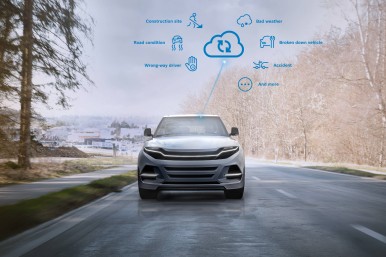
Farmington Hills, Mich. – The journey is its own reward. Bosch’s road hazard service brings safety to new heights so that drivers can enjoy an even more carefree and rewarding journey. The cloud-based service uses continuously updated data from numerous sources to quickly warn drivers of potential hazards on their route, such as sudden fog or black ice, and is already being used in millions of different cars and commercial vehicles around the world. Also, initial vehicles from the BMW Group are using the Bosch service. Bosch plans to roll out the service gradually in additional BMW vehicles over the next few years. “The road hazard service from Bosch increases road safety while also increasing the ease of driving. Our cloud-based service is a tangible win for our customers because it predicts and informs drivers, whether they are in a car or a truck, of hazards on the route and helps them avoid critical situations,” says Dr. Markus Heyn, member of the board of management at Bosch and chairman of the Mobility business sector. Bosch service already proving itself in millions of vehicles The road hazard service from Bosch was released in June 2024 and went live with a European vehicle manufacturer. Six months later, a large commercial vehicle manufacturer also integrated the service, which Bosch has been gradually rolling out since then. The cloud-based software solution is now available in millions of vehicles in Europe and the U.S. The service has also been part of the BMW Group’s vehicle fleets since March 2026. Some of the models using the road hazard service include the BMW iX1, iX2, iX3, and X3, as well as several Mini models. One unique selling point of the Bosch technology is that vehicle manufacturers can set the sensitivity of the system – meaning the point at which the system triggers a warning – to their exact specifications and in line with their own market philosophy. This includes notices about accidents and abandoned vehicles, for instance in construction zones. The service can also warn drivers of heavy rain that could lead to hydroplaning, heavy snow, and strong wind. In addition, Bosch is the only provider to offer a cloud-based wrong-way driver warning, which is, among others, used by a European high-volume manufacturer. Vehicle manufacturers can choose whether to purchase the wrong-way driver warning as part of the road hazard service package or as an individual feature. This technology provides drivers with an early warning and gives them crucial seconds to respond, often long before the wrong-way driver is even visible. The wrong-way driver warning is shown either directly on the display in the cockpit or on a smartphone, if the driver does not yet own a vehicle with an integrated wrong-way driver warning. The feature can be used in a variety of smartphone apps from Bosch partners. Simply download one of the partner apps and activate the feature to use this Bosch service. In total, these apps have already been downloaded more than 100 million times. Highly reliable thanks to smart data mix The high degree of reliability of the road hazard service is based on a smart fusion concept. Bosch combines anonymized real-time data from a worldwide fleet of millions of connected vehicles with information from third-party providers such as weather services and road operators. These sources together provide a highly precise, current overview of the road conditions, which forms the basis for reliable warnings. Driver assistance systems such as adaptive cruise control (ACC) and emergency braking assist can also use the predictive warnings to respond even more safely and precisely. In practice, an algorithm continuously analyzes and combines the incoming vehicle data, such as control interventions by the electronic stability program (DSC) and the activity of the windshield wipers. If the system determines, for example, that many vehicles in one region are using the windshield wipers on the highest setting and weather data is reporting heavy rain, the system concludes that there is a risk of hydroplaning. Affected drivers then receive an early warning and can adjust their speed in time. The quality of the predictions is continuously validated by Bosch’s own test fleet, which is equipped with special sensors. In addition, external sources such as webcams along the roads verify the emitted warnings. A new Bosch offering for even greater safety and ease on every drive: the connected speed limit system always knows the current speed limit and shows it to the driver directly in the vehicle. Thanks to smart connectivity, the service even recognizes dynamic limits, such as those in construction zones, on wet roads, or depending on the time of day.

BSH Home Appliances North America Reports Strong 2025 Performance, Outpacing the ...

06.05.2026

Press release

Business/economy

BSH Home Appliances North America Reports Strong 2025 Performance, Outpacing the ...

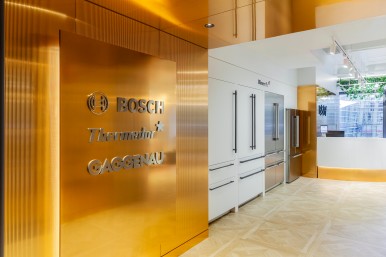
NEW YORK & IRVINE, Calif. – April 29, 2026 (BSH) – BSH Home Appliances Group, a global leader in home appliances and a division of the Bosch Group, today reported its fiscal year 2025 business results for Region North America, highlighting regional revenue growth of more than 5% in U.S. dollar terms and continued outperformance of the broader market. Darcy Clarkson, CEO of BSH Region North America, shared the results and a 2026 outlook with the media at an exclusive event in New York City. The North American region comprises the U.S., Canada and Mexico. The press and creator event was hosted at BSH's Experience and Design Center (EDC) in Midtown Manhattan – one of 10 showrooms across the United States and Canada showcasing the company's three premium and luxury home appliance brands offered in North America: Bosch, Thermador and Gaggenau. 2025 Financial Performance: Resilience in a Challenging Market From a global perspective, BSH Hausgeräte GmbH - headquartered in Munich, Germany - delivered €15 billion in turnover in fiscal year 2025. While this represented a modest 1.6% decline in Euro terms, the company grew in local currency across most regions, demonstrating resilience in a demanding macroeconomic environment. In North America, BSH achieved turnover growth of more than 5% in U.S. dollar terms (0.4% in Euro), growing significantly above the market and expanding its market share. “2025 tested the industry on a wide range of fronts, but we can confidently say that our business held strong,” said Clarkson. “Despite clear challenges, our organization did not stand still. We continued to invest, and in North America we grew faster than the market, which reinforces confidence in our long-term strategy and responsible, yet bold growth plans for the region.” Investment Strategy: Building for the Long Term BSH maintained future-oriented investments of €463 million globally (3% of turnover) in 2025, sustaining its strategy of investing through market cycles rather than pulling back. In North America specifically, ongoing investments spanned U.S. and Mexico manufacturing facilities, R&D centers and the company's growing network of Experience and Design Centers (EDCs). Brand Portfolio Strength: Premium and Luxury Leadership with Bosch, Thermador and Gaggenau BSH is the No. 1 manufacturer of home appliances in Europe and has established a formidable position in the combined premium and luxury appliance market in North America. The BSH North America portfolio spans two key market segments. Bosch serves the premium segment and has been the world's No. 1 dishwasher brand* for 10 consecutive years. Thermador and Gaggenau anchor the luxury segment, where performance remained particularly strong in 2025. Gaggenau specifically is seeing record U.S. demand in the beginning of 2026. The Bosch brand was recognized with multiple Consumer Reports (CR) Recommended honors, amongst a variety of other industry accolades for performance, reliability and overall consumer sentiment. “The More You Bosch, the More You Feel Like a Bosch” campaign generated tremendous exposure for the brand and wide pop culture attention into 2026 – with its latest commercial celebrated as a favorite by consumers and entities like Ad Age, Yahoo! Entertainment, USA Today Ad Meter, LinkedIn Ad Bowl, Digiday and more. Thermador and Gaggenau continued to inspire consumers with aspirational brand desirability - setting the stage for key product launches and brand campaigns. The launch of the new “No One Else” Thermador brand campaign is set to reinforce the marque’s pioneering legacy that has shaped the modern luxury kitchen, while Gaggenau’s Expressive Series highlights Bauhaus principles, modern architecture and bold, sculptural forms. Desired Products, Solid Performance Across Key Categories BSH registered solid performance in five of seven core product categories globally between Oven Cooking, Surface Cooking, Cooling, Laundry Care, Dish Care and Consumer Products (small appliances like espresso machines and cordless stick vacuums). The company maintained a global R&D investment of €847 million, or 5.6% of net sales – well above the industry average. Dish Care: Bosch is the world's No. 1 dishwasher brand* and the quietest dishwasher brand in the United States**. Pioneering innovations including patented Zeolite crystal technology underpinning CrystalDry™ (Bosch) and StarDry™ (Thermador), PrecisionWash and new Zone Wash continue to set industry standards. Cooking: The patented Star Burner from Thermador, new and advanced induction products and aspirational offerings from the Gaggenau Expressive Series reinforce BSH’s position in serving home cooks and professional chefs alike. Cooling: The Bosch 800 Series French Door Bottom Mount refrigerator continues to rank among the industry's most in-demand products, while Thermador and Gaggenau cooling offerings set new heights in design. BSH was the first major appliance manufacturer to introduce the Matter smart home connectivity standard across its refrigerator lineup, enabling integration with Google, Amazon Alexa, Apple or any other smart home platform of choice. Small Appliances: Bosch fully automatic espresso machines continue to gain traction at the premium tier. The company also launched its first-ever cordless stick vacuum lineup – the Unlimited 9 and Unlimited 10 – featuring advanced MicroClean sensor technology and a German-made motor with an unrivaled 10-year warranty. AI and Connected Appliances: People-First Technology With the Bosch Group holding more than 2,000 AI-related patents in Europe, the company continues to be one of the industry’s most prominent players. The company employs Artificial Intelligence judiciously and only to clearly improve everyday life and routines for consumers: a philosophy the company refers to as "People First" technology. Key 2025–2026 AI milestones include: The unveiling of “Bosch Cook AI” at CES 2026 – an agentic AI cooking assistant within the Home Connect app. This feature will give home cooks the confidence to cook like world-class chefs through real-time, step-by-step guidance, while orchestrating Bosch appliances to work toward a specific cooking outcome. Integration of Amazon Alexa+ generative AI with the Bosch 800 Series Espresso Machine, enabling natural-language voice conversations and allowing users to interact with their appliance as easily as they would with their neighborhood barista. Continuation and deepening of internal AI deployment across customer service, manufacturing and logistics/supply chain operations. Outlook for 2026 “In North America, we are proactively shaping and implementing strategy for long-term growth, despite any variety of challenges we expect to face,” said Clarkson. “Our region clearly remains an important growth market for BSH, and we will drive forward with local investments and bold initiatives to further elevate our iconic premium and luxury brands. We are already seeing record U.S. demand for our ultra-luxury brand, Gaggenau into 2026.” BSH's 2026 approach centers on prominent product launches, deepening customer and trade relationships through the EDC network, expanding brand awareness, further solidifying the company’s leadership position in the combined premium and luxury segments, as well as leveraging AI to create more personalized and connected consumer experiences. *Source: Euromonitor International Limited; Consumer Appliances, retail volume sales 2016 - 2025. **Based on an average of sound ratings of 24” Full-Size Stainless-Steel Tub dishwashers contained in major brands websites. Major brands defined as OpenBrand Top 5 Market Share December 2025.

Bosch introduces Rapid Catalyst Heating to reduce cold-start emissions from gaso ...

09.04.2026

Press release

Business/economy

Bosch introduces Rapid Catalyst Heating to reduce cold-start emissions from gaso ...

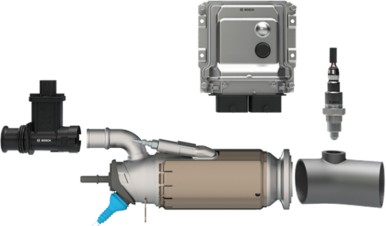
Farmington Hills, Mich – As automakers focus on the efficiency and performance of internal combustion and hybrid powertrains as part of a multi-lane approach to vehicle propulsion, Bosch is advancing technologies that help to reduce real-world emissions without requiring major vehicle redesigns. Bosch is introducing Rapid Catalyst Heating (RCH), a system designed to reduce cold-start emissions in gasoline-powered vehicles. The RCH system accelerates catalyst activation (i.e., catalyst “light-off”) during the first seconds of operation, when tailpipe emissions can be highest. By rapidly elevating exhaust temperature, Bosch’s RCH system minimizes light-off delay while enhancing catalyst efficiency during the engine start. Cold-start emissions – those that occur prior to catalyst light-off – commonly account for the majority of a vehicle’s emissions footprint. Although more severe during colder ambient temperatures, catalyst heating is required across the full range of environmental conditions. Traditional catalyst heating strategies rely on engine-based methods that compromise efficiency for elevated exhaust temperatures. To address this challenge, Bosch developed the RCH system to accelerate catalyst warm-up and reduce cold-start emissions without requiring significant changes to vehicle architecture. Unlike electrically heated catalysts or engine-based warm-up strategies, RCH delivers high thermal power using existing vehicle systems without requiring high-voltage architectures or major aftertreatment redesign. “As the industry transitions across multiple propulsion technologies, internal combustion engines will continue to play a major role globally for years,” said Peter Tadros, regional president, Power Solutions, Bosch in North America. “That reality makes it critical to reduce emissions from the vehicles entering the market with conventional ICE powertrains. Cold start emissions are a key challenge, and the Bosch Rapid Catalyst Heating addresses that issue in a way automakers can deploy at scale without disrupting existing vehicle architectures.” How the RCH system works The Rapid Catalyst Heating system features an integrated, fuel-based auxiliary burner that delivers additional thermal energy directly to the exhaust stream, rapidly increasing catalyst temperature during cold start and early drive-off. Key features include: 25+ kilowatts (nominal) of available thermal power to help accelerate catalyst warm-up. Operates independently from the engine, reducing calibration complexity and efficiency trade-offs. Compatible with existing vehicle architectures, operating on a 12-volt electrical system and low-pressure gasoline fuel supply. Allows flexible integration with both closely coupled and underfloor catalyst configurations. By decoupling catalyst heating from engine operation, the system helps enable earlier and more consistent emissions conversion during periods when tailpipe emissions are typically highest. Exhaust thermal management is particularly important in hybridized powertrains – when catalyst temperatures can drop below critical “light-off” thresholds during all-electric operation. Emissions benefits Vehicle testing shows that RCH can help reduce emissions by up to 70 percent during cold start and early drive-away conditions. These reductions persist across passenger vehicles and larger platforms, including pickup trucks, under standard and quick drive-away cycles.* Faster catalyst activation may also reduce the needed density of precious metal loading and calibration complexity, helping offset system costs while supporting reduced emissions standards. RCH aligns with the broader Bosch strategy to advance emissions reductions across multiple propulsion systems while focusing on solutions automakers can implement today. Bosch continues validation with OEM partners, emphasizing durability, packaging flexibility and readiness for series production. *Note: For a technical overview of RCH development, implementation and performance, see: Disch, C., O’Donnell, R., Singh, R., Chutipassakul, S., et al., “A Rapid Catalyst Heating System for Gasoline-Fueled Engines,” SAE Int. J. Adv. & Curr. Prac. in Mobility 7(2):773-797, 2025, https://doi.org/10.4271/2024-01-2378

Bosch commissions its new Michigan electrolyzer and boosts scalable hydrogen eco ...

17.03.2026

Press release

Business/economy

Bosch commissions its new Michigan electrolyzer and boosts scalable hydrogen eco ...

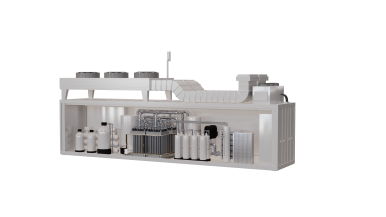
Farmington Hills, Mich. , March 17, 2026 – Bosch today announces key milestones in its global hydrogen ecosystem strategy, highlighting new innovations in hydrogen infrastructure and the availability of electrolyzer systems powered by Bosch Hybrion PEM electrolysis stacks from its integrator partners for North America. Together, these developments reinforce Bosch’s role as a technology leader across the entire hydrogen value chain from production and distribution to storage and end use. Hydrogen technology was the focus of today’s program that attracted more than 100 of hydrogen’s top experts to Bosch’s Farmington Hills, Mich. campus. The day included three panels of experts discussing stationary, mobile and derivative hydrogen applications and a keynote address from Jordan Choby , group vice president, Powertrain, Toyota Motor North America, Research and Development. As demand grows for clean, reliable energy solutions, Bosch is focused on building a comprehensive hydrogen ecosystem in mobility, industry and stationary power. The company’s approach brings together advanced engineering, global scale, and cross-sector collaboration to help drive hydrogen’s widespread adoption. “At Bosch, we are committed to helping build the hydrogen economy and we are prepared to support its growth at whatever pace it advances,” said Peter Tadros , regional president, Power Solutions, Bosch in North America. “Our strategy is to support customers across the value chain with scalable technologies that make hydrogen practical for real-world applications. From production to infrastructure and utilization, we are investing to help unlock hydrogen’s full potential.” North America electrolyzer expansion strengthens local supply chain Bosch is expanding its presence in hydrogen production with the grand opening of its own electrolyzer – with a Hybrion stack by Bosch – facility in Farmington Hills. The site is the North America headquarters for Bosch’s electrolyzer and fuel cell application engineering and testing and will utilize the hydrogen produced for these activities. “This new electrolyzer facility demonstrates Bosch’s long-term commitment to enabling the growth of the North American hydrogen market,” added Carola Ruse , senior vice president, Electrolyzer Solutions, Robert Bosch GmbH. “We are investing in local competence to help our customers reduce emissions and strengthen energy resilience. Michigan’s engineering talent and industrial heritage make it an ideal location to advance hydrogen technologies.” The investment underscores Bosch’s commitment to strengthening the domestic hydrogen supply chain while supporting customers and collaborators across North America. New cryopump technology supports hydrogen infrastructure A key component of Bosch’s ecosystem strategy is the development of a next generation cryopump from Bosch Rexroth which is designed to be efficient and reliable, helping drive down costs for hydrogen refueling infrastructure. The technology helps enable faster, safer and more energy-efficient handling of liquid hydrogen, an important step in supporting heavy-duty mobility, aviation and large-scale energy applications. “Hydrogen infrastructure requires robust, high-performance components,” said Dave Hull , regional vice president, Bosch Rexroth. “Our cryopump technology addresses critical challenges such as boil off losses, reliability, energy efficiency, and scalability. By enabling more efficient fueling, we are helping customers move hydrogen from pilot projects to commercial deployment.” The Cryopump's modularity helps eliminate the need for high-pressure storage, reducing the capital and operational costs of station operators, and paving the way for hydrogen-powered commercial vehicles. A comprehensive hydrogen ecosystem Bosch’s hydrogen portfolio spans multiple technologies, including fuel cell systems, hydrogen engines, electrolysis stacks, and infrastructure solutions. By connecting these innovations, the company aims to create an integrated ecosystem that supports decarbonization across sectors such as transportation, manufacturing and energy. Through collaboration with industry stakeholders, governments and research institutions, Bosch is working to accelerate the transition to a hydrogen economy that is sustainable, scalable and economically viable.

Bosch has set a course for the future in the difficult 2025 financial year

30.01.2026

Press release

Business/economy

Bosch has set a course for the future in the difficult 2025 financial year

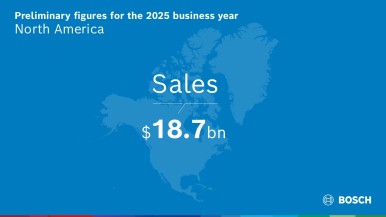
Stuttgart, Germany – Bosch, the supplier of technology and services, can look back on 2025 as an incredibly challenging financial year. According to preliminary figures , sales revenue was up slightly on the previous year’s level at 91 billion euros (2024: 90.3 billion euros). After adjusting for exchange-rate effects, sales revenue grew by 4.2 percent. At around 2 percent, the EBIT margin from operations was below expectations (2024: 3.5 percent). “The economic reality is reflected in our results – 2025 was a difficult and sometimes painful year for Bosch,” said Stefan Hartung , chairman of the board of management of Robert Bosch GmbH, referring to the company’s published preliminary business figures. “In an unfavorable environment, we are continuing to work systematically on our growth strategy, which also requires us to strengthen our competitiveness. We are now setting our course for the future.” According to Hartung, Bosch plans to continue to benefit from its global presence, its strong brand, and its technological expertise. However, the company anticipates increasingly intense competition under adverse economic conditions. Bosch does not expect to see significant improvements in individual markets until 2027. The main reasons for the sluggish growth in the past financial year were the weak economic environment and the increasingly challenging market conditions. Result was negatively impacted by the lack of margins due to lower sales, as well as by increased tariffs and considerable provisions for necessary structural adjustments and the associated personnel measures. The aim of this restructuring is to ensure that the company remains economically robust, financially independent, and secure for the long term. To achieve this, Bosch still needs to generate annual sales growth of 6 to 8 percent with a margin of at least 7 percent. Given the current environment, the company now assumes that it will begin achieving its target margin of 7 percent in 2027 at the earliest, instead of in 2026. North America: Growth and continued focus on U.S. For 2025, preliminary figures indicate sales to third parties in North America were 18.7 billion USD (16.6 billion euros), an increase of approximately eight percent year-over-year. The company continues to focus on growth in North America and particularly the U.S. market where Bosch will celebrate its 120-year anniversary in 2026. Bosch will once again advertise in the Big Game as part of its U.S. consumer campaign to grow awareness and market share in its Home Appliances and Power Tools business divisions. “Our dedicated associates across North America continue to focus on profitable growth and delivering quality products and services to our customers,” said Paul Thomas, president of Bosch in North America and president of Bosch Mobility, Americas. “In the U.S., the Bosch business is healthy and poised for continued growth supported by local investments.” Bosch employs approximately 20,000 associates in the U.S., which includes high-quality, high-value jobs in engineering, manufacturing, software and research and development. In total, Bosch currently maintains 20 manufacturing locations in the U.S. in Arkansas, California, Florida, Illinois, Indiana, Kansas, Kentucky, North Carolina, Michigan, Minnesota, Oklahoma, Pennsylvania, South Carolina and Tennessee. Since 2023, Bosch has announced more than $6 billion in U.S.-based acquisitions, resulting in more than 5,000 U.S. jobs. Competitiveness: Narrow the cost gap, strengthen investment capacity Bosch continued to systematically pursue its long-term Strategy 2030 over the past year. In addition to achieving the target margin, the strategy stipulates that the company must be one of the three leading providers in its key markets in all regions of the world. This currently requires competitive cost levels and demand-oriented capacities in particular. “We are working hard on our material costs, we are making even more intensive use of AI to increase our productivity, and we are weighing up every investment even more carefully than before,” Hartung said. “And yet, to secure our competitiveness and investment capacity in the long term, we need to do much more to reduce our personnel expenses and streamline our organization.” Above all, the structural shift toward electromobility and the extremely high price and competitive pressure in the global automotive industry is resulting in an annual cost gap of around 2.5 billion euros worldwide in the Mobility business sector alone – in relation to the target margin for the business. As a result, last year Bosch announced it needed to cut about another 13,000 jobs. Hartung emphasized that the board of management was aware of the implications of these decisions and was taking associates’ concerns seriously. “But even a foundation-owned company has to keep an eye on securing its existence and cannot ignore business realities.” He went on to say that Bosch aims to implement these unavoidable measures in close consultation with employee representatives and in as socially acceptable a manner as possible, even if that initially incurs high costs. Strategy 2030: Innovations and acquisitions will create business opportunities Despite the adverse environment, Bosch sees great opportunities for a business revival in many market segments. “We assume that market momentum in the crucial field of software-driven mobility will initially be restrained, but will then accelerate significantly, especially in the coming decade,” Hartung explained. The Vehicle Motion Management software for the central control of brakes, steering, powertrain, and chassis is already being very well received on the market, Hartung said. Last year, the supplier of technology and services was able to win customer orders for solutions for automated driving, the requisite sensor technology, and central vehicle computers worth 10 billion euros, and thus hold its own in global competition. The ongoing integration of the newly acquired areas in the HVAC solutions business ensures strong growth prospects: Bosch Home Comfort aims to nearly double its sales revenue to 8 billion euros in the medium term and is now one of the world’s largest suppliers in the market for heating, ventilation, and cooling in residential and light commercial buildings. The Power Tools division has accelerated its product development processes, thereby reducing time to market by an average of two months. As part of an innovation offensive, Power Tools plans to launch around 2,000 new products by 2027. Bosch is also systematically expanding the use of AI in all divisions. At the recent U.S. electronics trade show CES, it presented an AI-enabled high-performance computer for making the AI-controlled car cockpit a reality. By the end of 2027, the company plans to have invested a total of 2.5 billion euros in AI, which is already in use throughout the company. Europe as a business location: Technological skepticism jeopardizes prosperity When it comes to regional competitiveness, Bosch believes Europe has tremendous potential – provided policymakers and society can overcome the existing skepticism toward technological progress. Hartung expressed his concern regarding the latest results of the Bosch Tech Compass , a survey that reports on how people in key industrialized countries feel about new technologies. According to the survey, less than two-thirds of Germans believe that technological progress has a positive impact, and in France, the figures are even lower. “This is highly alarming,” Hartung said. “The only way a country, a society, can survive in global competition is if there is at least sufficient will to make technological progress.” To achieve this, businesses, society, and policymakers need to actively engage with new fields of technology such as hydrogen and AI with greater courage and decisiveness. As one of the most innovative companies in the world, Bosch has a role to play here. It is one of the most prolific patent applicants in Europe, having filed more than 2,000 patent applications in the field of AI alone since 2018. With regard to protectionist policies, Hartung sees a need for action in Europe and calls on legislators to introduce targeted local content rules. This could make today’s clearly distorted competition fairer again. Business developments in 2025: Global economy slows down sector sales The difficult situation in various Bosch focus markets had an impact on sales development in the business sectors. “Bosch, too, clearly felt the effects of 2025’s weak global economy,” said Markus Forschner , member of the board of management and chief financial officer of Robert Bosch GmbH. “Yet despite considerable uncertainties and trade barriers, we’ve been able to hold our own in most markets.” At 56 billion euros, sales revenue in the Mobility business sector was up slightly year on year by 0.3 percent. Adjusted for exchange-rate effects, this represents an increase of 3.1 percent. The Industrial Technology business sector generated sales revenue of 6.5 billion euros; a marginal increase of 0.9 percent in sales meant it was able to maintain the previous year’s level, despite the difficult situation in the mechanical engineering and construction sectors. Adjusted for exchange-rate effects, this was an increase of 3.2 percent. In the Consumer Goods business sector, sales revenue fell by 1.9 percent to 19.9 billion euros. Adjusted for exchange-rate effects, however, it rose by 4 percent. The main reason for this development was consumers’ continuing reluctance to spend. The Energy and Building Technology business sector generated sales of 8.4 billion euros. Despite subdued construction activity, sales revenue increased year on year by 12.3 percent, or plus 15.3 percent when adjusted for exchange-rate effects. The acquisition of the HVAC solutions business more than offset the sale of the product business in the Building Technologies division. Business developments in 2025: Significant currency effects in regional sales The challenging conditions were reflected in regional sales development as well. “The situation remained tense in all our global regions,” Forschner said. “Our business was again weakest in Europe, while the Americas and Asia Pacific were more encouraging.” In Europe , sales revenue fell slightly to 44.2 billion euros, or a nominal 0.6 percent. Adjusted for exchange-rate effects, this represents an increase of 1.5 percent. In the Americas , sales revenue increased by 3.6 percent to 18.5 billion euros. Adjusted for exchange-rate effects, this was an increase of 9.2 percent. In Asia Pacific , sales amounted to 28.3 billion euros. This is a nominal increase of 1.2 percent, or an exchange rate-adjusted 5.6 percent. Headcount development in 2025: Headcount fell by 1 percent Worldwide, the Bosch Group employed some 412,400 associates as of December 31, 2025; this is some 5,400 (around 1 percent) fewer than in the previous year. While the acquisition in Home Comfort added associates, the necessary job cuts and the sale of Building Technologies reduced headcount. The number of associates fell furthest in Germany, where headcount fell by around 6,500 (just under 5 percent) to a good 123,100 associates. Outlook 2026: Competitive and price pressure continues to rise Bosch does not expect the situation to ease in the current financial year. The company currently expects the global economy to grow by 2.3 percent in 2026. “There are many indications of a slight slowdown in global economic growth,” Forschner explained. “Competitive and price pressure are likely to increase further and the increased tariffs will have their full impact for the first time.” Bosch expects to make significant progress with the measures it introduced to implement its Strategy 2030. “We’ll begin to see positive effects on margin once we’ve improved our cost and competitive situation,” Forschner said. “But given the subdued economy and the unfavorable environment, we will achieve our target margin of 7 percent in 2027 at the earliest.” He emphasized that work on expenditures and structures is absolutely essential in order to maintain Bosch’s position in global competition and to be able to continue financing considerable upfront investments in areas of future importance. Bosch is thus laying an important foundation for the future development of the company.

Bosch Home Comfort Group to Spark Comfort Revolution at AHR Expo 2026

19.12.2025

Press release

Business/economy

Bosch Home Comfort Group to Spark Comfort Revolution at AHR Expo 2026

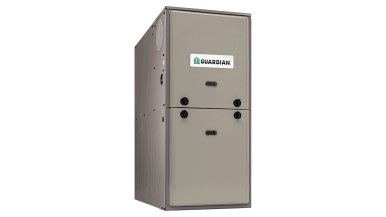
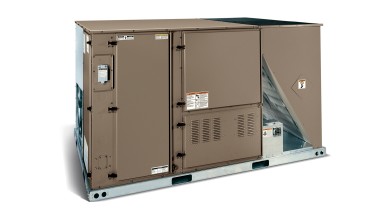
DALLAS – Bosch Home Comfort Group will make its landmark debut at AHR Expo 2026. The recent milestone of incorporating the YORK® and Hitachi brands in its portfolio sparks a new era for the company fueled by the strength of these iconic brands. From Feb. 2–4 in Las Vegas, attendees will be the first to experience the Bosch Comfort Revolution through an immersive booth experience that demonstrates how the expanded portfolio creates a single, powerful ecosystem that redefines comfort for contractors and homeowners alike. “By bringing together the Bosch, YORK® and Hitachi brands, we’re redefining what comfort means, merging intelligence, reliability and electrification into one seamless experience,” said David Budzinski, deputy CEO global, president Americas, Bosch Home Comfort Group. “The future of comfort is forged through the shared innovation, engineering excellence and decades of expertise each of these iconic brands bring, forming a unified core positioned to drive true transformation and progress for contractors and for the HVAC industry at large.” Greater energy efficiency and improved comfort Today's heating and cooling innovations prove greater efficiency and enhanced comfort can go hand-in-hand. The Bosch Home Comfort Group booth at AHR Expo 2026 will feature the latest heating and cooling systems equipped with high-performance technologies that cut utility costs while delivering consistent, precise temperatures for occupants. Bosch Ci and Ri Series Water Source Heat Pumps are now equipped with inverter technology. The Ci and Ri Series offer improved comfort and humidity control compared to non-inverter systems, while achieving superior energy efficiency and lower utility bills for home and business owners. Available in 1.5, 3 and 5 tons, both systems have a compact footprint, making for easy and seamless installation. The new Hitachi air365 Max with R-32 offers highly efficient, zone-based heating and cooling simultaneously. Using R-32, an A2L refrigerant with low global warming potential, the system includes an A2L built-in detection and mitigation device for compliant installations. Outdoor units are offered as both universal heat pump and heat recovery, for greater application flexibility and further energy savings. Reliable comfort in every building, every climate Advancements in commercial rooftop unit (RTU) technology and design have significantly improved system efficiency and dependability. Built-in redundancies help ensure reliable operation for every application. As the very first commercial rooftops offered by the brand, the Bosch Pro RTUs feature a premium cabinet with best-in-class options and are among the most efficient dual-circuit rooftop units on the market. The product showcases new options like a dual fuel heat pump with gas furnace back up, hot gas reheat dehumidification in a heat pump, and a direct drive plenum supply fan. Available in AC models with three efficiency tiers from 3 to 12.5 tons and in both standard heat pump and dual fuel heat pump configurations from 6.5 to 12.5 tons, Bosch Pro RTUs offer the perfect combination of serviceability, flexibility and efficiency to maximize value over the full life of the unit. YORK® Sun™ Choice Dual Fuel RTUs combine a heat pump with a gas or propane furnace as a backup heat source to deliver efficient heating and cooling and consistent comfort year-round in colder climates. The systems feature direct drive plenum supply fans, and integrated intelligence automatically transitions heating operation to the most optimal energy source based on outdoor conditions. Ideal for a wide range of light commercial applications, Sun™ Choice Dual Fuel RTUs help reduce utility bills and support long-term energy goals. Innovative technologies driving electrification across more applications As the movement to decarbonize residential heating and cooling continues, improvements in heat pump designs make it possible to electrify a greater range of homes and buildings. Advancements in compressor technology extend climate range while compact footprints and multiple configuration options fit in more spaces. The Inverter Ducted Split Edge Heat Pump from Bosch introduces a new compact outdoor solution to the flagship Inverter Ducted Split (IDS) Family product line. Built on inverter and VRF-based technology, the IDS Edge is a compact, flexible, and efficient solution for both residential single-zone and multi-zone applications and will be available in both standard and high-performance versions. The YORK® YC8 18 SEER2 Air Conditioner achieves excellent energy efficiency, humidity control and precision comfort with a modulating compressor ideally suited to meet the cooling demands of many climates. Available in 2, 3, 4 and 5 ton sizes, the YC8 offers temperature stability and quiet comfort with sound levels as low as 67 dBA. “From advanced controls and cutting-edge engineering to flexible designs and low-GWP refrigerants, the new, unified product offering from Bosch Home Comfort Group offers contractors unparalleled access to the performance features driving outcomes that matter most to their customers,” said Budzinski. “By bringing together the best of three well-established brands, we are redefining comfort in new and crucial ways, driving innovation, efficiency, and reliability in a cohesive experience designed for every season and every building.” For more information, please visit Bosch Home Comfort at booth C4007 at AHR 2026 or learn more at: Bosch-HomeComfort.com/ahr . YORK® is a registered trademark of Johnson Controls International plc and its affiliated companies. Used under license. Hitachi Cooling & Heating products are manufactured and sold by Bosch Home Comfort Group.

New Bosch subsidiary develops solution for identifying fake products

16.10.2025

Press release

Business/economy

New Bosch subsidiary develops solution for identifying fake products

Farmington Hills, Mich. – In 2023 alone, 152 million counterfeit goods with an estimated value of 3.4 billion euros were seized in the European Union – an increase of 77 percent compared to the previous year. Not only does this represent an economic loss for brand manufacturers, it also poses a risk for consumers. If toys, cosmetics, food, or even medicines that appear to be original products are in fact inferior goods, customers can suffer health, safety, or financial consequences.* This is precisely where Origify, a software solution from the newly established Bosch Secure Authentication GmbH, comes in. Together with Koenig & Bauer Vision & Protection GmbH, a leading provider of inspection and security technologies in the printing industry, the new Bosch subsidiary offers greatly improved brand protection and traceability for sensitive print products. “Thanks to this cooperation, we can make even better use of the opportunities in our target markets,” says Oliver Steinbis, CTO at Bosch Secure Authentication GmbH. “According to the consulting firm Smithers, the packaging market is set to grow to over 1.4 trillion U.S. dollars by 2028, while the security printing industry is set to grow to more than 35 billion U.S. dollars.” This size underlines the market potential for Bosch Secure Authentication and Koenig & Bauer Vision & Protection, which together aim to set new standards in product security with their solution. Authentication via unique surface structures The technical basis for unique identification is Bosch’s Origify solution, which records a product’s individual microstructures. To this end, an image is recorded during the production of each individual object, then converted into a digital identity, and finally stored securely in the cloud. All that’s required for verification is to take another photo using a smartphone app and compare it with the reference data stored in the database. This means a product’s authenticity can be clearly verified at any time – with no need for additional security features or imprints. Companies can use the solution to detect fake goods in-house – for example, to prevent counterfeit returns from entering the goods cycle. At the same time, the solution can be made available to end users: if a company gives the go-ahead, customers can verify the authenticity of its products themselves using a smartphone app. A version of Origify specially developed for the printing industry is now available under the name “Ovjera.” Designed for high volumes and manufacturing speeds, this software can be integrated directly into printing machines without slowing down the production flow. Here too, a forgery-proof digital identity is recorded for each printed product to reliably ensure traceability. About Bosch Secure Authentication GmbH Bosch Secure Authentication GmbH, a wholly owned subsidiary of Robert Bosch GmbH, was founded in 2025 and is part of the Bosch Group. Bosch has been working intensively on authentication and traceability since 2017 and has already tested the technology on its own production lines. Projects to date were centered on registering and verifying automotive parts during production using Origify in a process that both serves legal requirements and maintains internal quality standards. Building on this, the company is now focusing on the development and marketing of solutions for the printing sector, the luxury goods market, and manufacturing industry. Video: Banknotes *European Commission – Directorate-General for Taxation and Customs Union & EUIPO. (November 13, 2024). EU seizes record 152 million fake items worth €3.4 billion in 2023 . European Commission. Available at: https://taxation-customs.ec.europa.eu/news/eu-seizes-record-152-million-fake-items-worth-34-billion-eur-2023-2024-11-13_en (accessed on: September 23, 2025)

Bosch Power Tools Expands 18V System with New Tools Designed for Performance, Pr ...

02.10.2025

Press release

Business/economy

Bosch Power Tools Expands 18V System with New Tools Designed for Performance, Pr ...

MT. PROSPECT, Ill. (October 2, 2025) – Bosch Power Tools today announced a series of new products joining its advanced 18V cordless and corded lineup, delivering innovation, power and ergonomic designs for demanding jobsite applications. Prioritizing tasks like pin nailing, reciprocating cutting and high-torque drilling and fastening, these new additions expand the brand’s portfolio of professional-grade tools built to maximize performance. “This latest wave of products reinforces our commitment to providing solutions that are smarter and more powerful, truly designed with the professional tradesperson in mind,” said Philipp Gosau, Director of Product Management for Bosch Power Tools North America. “From the pneumatic-like performance of our new Brushless Pin Nailer, the compact maneuverability of our Reciprocating Saw, or the enhanced control in our Right Angle Drill, every product is engineered to make work faster and easier on the jobsite.” With a strengthened presence in the North American market, the brand aims to expand its cordless portfolio, developing technology that addresses the ever-changing needs of today’s skilled trades professional. Bosch Power Tools is investing in engineering, customer research, and product development to ensure that its tools deliver high performance and reliability while remaining tailored to the diverse challenges faced by construction, mechanical and industrial professionals across the region. The expansion of products and accessories includes: 18V 23-gauge Brushless Pin Nailer (GNH18V-35) Well-balanced, ergonomic design – Helps reduce user fatigue and strain, making it easier to handle during extended use Clean, consistent pin nailing – Designed to sink 23-gauge pins precisely, leaving only small, clean nail holes, helping to prevent damage to workpieces Pneumatic-like performance – Provides enhanced productivity and quieter work environment by eliminating the need for compressors and hoses 18V Compact Reciprocating Saw (GSA18V-24N) Outstanding power-to-weight ratio – Ergonomic design and balanced weight distribution offer easy one-handed use for maneuverability .94 In. stroke length and 0-3,100 SPM – For fast, efficient cutting and more material removal in a range of applications Toolless blade-change system – Allows quick and effortless blade changes Corded Reciprocating Saw (GSA12-30) Controlled cuts – A variable speed trigger switch provides adjustable speed for better control Pivoting footplate – Provides robust support and optimal cutting angle Saw hook – Allows for convenient hanging on the jobsite and easy storage 18V High Torque Right Angle Drills – Available in a Bare Tool (GRD18V-127) and Kit (GRD18V-127HX) Enhanced User Control – Two speed settings (0-1,800 RPM and 0-550 RPM) give the professionals greater control to tailor the output to the task at hand Dual KickBack Control – Stops the tool to help prevent sudden reactions in bind-up situations for more controlled work Brushless motor – Delivers increased power and enhanced runtime for more productive work 18V Ratcheting Wrench – Available in a Bare Tool (GRC18V-60N) and Kit (GRC18V-B22) Full-length paddle trigger – Offers comfortable grip in various positions for easier fastening in tight spaces 3 Speeds - Adjustable speed settings to optimize precision or speed 3/8 In. square drive – Works with standard and impact rated sockets 4V Max Rechargeable Screwdriver (GSD4V-35) Lightweight, compact design – Slim, compact design that’s portable, easy to store and is ideal for tackling jobs in tight spaces USB-C port and charging cable – Provides quick and convenient charging Integrated battery with 2 AH capacity – For increased number of applications per charge 23-guage Galvanized Headless Pin Nails For use with GNH18V-35 and most other 23-guage pin nailers Galvanized finish – Helps prevent rust and corrosion 5 Lengths – Available in 3/16”, 3/8”, 5/8”, 3/4”, 1” X-LOCK® Wire Wheel/Wire Cup Brush Adapter (WGX0100) Extended compatibility – Enables use of X-LOCK® wire wheels and wire cup brushes with non-X-LOCK angle grinders Faster wheel change – Adapter enables X-LOCK® wire wheels/wire cup brushes to be swapped without the use of a wrench Easy assembly – The thread adapter tightens to the grinder’s spindle with the SW0100 spanner wrench (sold separately) Spanner Wrench (SW0100) Bosch compatibility – Recommended for use to fasten the Bosch WGX0100 X-LOCK® adapter (sold separately) to a non-X-LOCK grinder Universal brand fit – For use with various flange nuts BlueXtreme Masonry Drill Bits Up to 5x more life – Four-face grinding technology delivers higher drilling speed and faster material removal with less friction, leading up to 5X life Optimized for drilling in hard materials – For fast, precise work in concrete, stone, cinder block, brick, and more Versatile tool compatibility – Available in both, impact-rated hex shank and the cylindrical PowerGrip shank, which improves bit grip between the shank and chuck, and allows for use in a variety of drills/drivers Various sizes – Available in four lengths (3.5”, 4”, 6”, 12”) and twelve diameters (1/8”, 5/32”, 3/16”, 7/32”, ¼", 5/16”, 3/8”, ½", ¼", 5/8”, ¾", 1”) Palm Router Chip Protection Guard (RA1130) Enhanced dust extraction – Deflects palm router chips into the Bosch dust extraction hood RA1132 (sold separately) Colt™ compatibility – For use with Bosch GKF18V-25 palm router Constructed from high-impact poly-carbonate – Providing a clearer view of the routing path to support precise work Surface Routing Dust Extraction Hood (RA1131) Surface routing dust capture – Helps minimize debris and clean up in flat applications Colt™ compatibility – For use with Bosch GKF18V-25 palm router Constructed from high-impact poly-carbonate – Providing a clearer view of the routing path to support precise work Edge Routing Dust Extraction Hood (RA1132) Edge routing dust capture – Helps minimize debris and clean up in precise edge forming applications Colt™ compatibility – For use with Bosch GKF18V-25 palm router Constructed from high-impact poly-carbonate – Providing a clearer view of the routing path to support precise work Palm Router Square Subbase (GKFSQ01) Square-shaped base – Provides added stability and control for edge profiling Colt™ compatibility – For use with Bosch GKF18V-25 palm router Constructed from high-impact poly-carbonate – Providing a clearer view of the routing path to support precise work Palm Router D-Shaped Subbase (GKFD01) D-Shaped base – Provides added stability and control for edge profiling Colt™ compatibility – For use with Bosch GKF18V-25 palm router Constructed from high-impact poly-carbonate – Providing a clearer view of the routing path to support precise work 14 In. 66 Tooth Edge Circular Saw Blade for Steel (PRO1466ST) Compatibility – Optimal use with the Bosch GCD18V-14N Zero hook angle teeth – Produces fast, clean cuts with minimum burrs Brute Carbide – An extra-hard C6 micrograin carbide formulation that increases impact resistance For more information on the new Bosch Power Tools products, visit our Press Room at pressroom.boschtools.com/or connect with Bosch Power Tools on Facebook and Instagram .

Bosch Unites its Building Technologies Brands

01.10.2025

Press release

Industry 4.0

Bosch Unites its Building Technologies Brands

Phoenix, United States / Vancouver, Canada / Bloomington, United States – Starting January 1, 2026, Bosch will unify its global building technologies integrator operations under the unified name, Bosch Building Technologies. The transformation will include Climatec and Paladin Technologies in North America, combining their branch networks under the Bosch brand to reshape building technology solutions as a product-agnostic systems integrator. With a wide-ranging portfolio of integrated, digital, and cross-domain solutions, the organization is positioned to expand in the areas of Building Automation, Security, Fire Life Safety, and Energy Solutions. Climatec and Paladin Technologies have built strong reputations while operating independently across the United States and Canada. As Bosch Building Technologies, the organization will offer the full range of solutions and services from both Climatec and Paladin Technologies to customers. Local expertise, trusted relationships, and the ability to adapt quickly to the evolving localized needs of customers remain vital to the brand’s identity. The newly aligned organization will operate underneath the long-standing reputation and global resources of the Bosch brand and a strong commitment to its people, customers, technology partners, and communities. “The value of each of our existing brands were built upon trust, one customer and one project at a time, and reinforced thousands of times by each employee in their daily interactions with our customers and technology partners,” says Frank Meyer, Member of the Bosch Board of Management and responsible for the Energy and Building Technology business sector. “By uniting the strengths of the established brands with Bosch, we are building on a shared foundation. This strong basis enables us to pursue our growth strategy with consistency and to create lasting value for our customers.” As customer needs and technology continue to evolve, the transformation to a unified brand reflects Bosch’s ongoing growth and ability to adapt. The organization will remain focused on developing its people, strengthening strategic partnerships, and maintaining its entrepreneurial spirit as a customer-centric systems integrator delivering integrated and digital solutions. “We will continue our journey to build the leading product-agnostic systems integrator, with the best team and vendor portfolio. I’m excited about the career opportunities this will bring our associates and the expansion of services for our customers,” adds Thomas Quante, President and CEO of Bosch Building Technologies. As part of this evolution, Climatec’s Energy business will continue to operate under the Climatec name as a sub-brand within Bosch Building Technologies. The team and service model remain unchanged, and the business will continue to play a central role in Bosch’s long-term strategy, benefiting from increased collaboration and access to shared resources. Remaining Climatec business units, along with all Paladin Technologies operations, will transition to fully operate under the Bosch brand. “It’s a great honor to have joined the Bosch Building Technologies team at this pivotal time in its evolution,” says Rich Cillessen, who has been serving as the North American Regional President of Bosch Building Technologies since June 1, 2025. “I’ve watched with great admiration as Bosch expanded its systems integration business in North America and I’m excited to be a part of this entrepreneurial team.” Bosch, a leading global innovation leader, currently employs more than 3,000 professionals in its Building Technologies business in North America.