

Farmington Hills, Mich., March 17, 2026 – Bosch today announces key milestones in its global hydrogen ecosystem strategy, highlighting new innovations in hydrogen infrastructure and the availability of electrolyzer systems powered by Bosch Hybrion PEM electrolysis stacks from its integrator partners for North America. Together, these developments reinforce Bosch’s role as a technology leader across the entire hydrogen value chain from production and distribution to storage and end use.
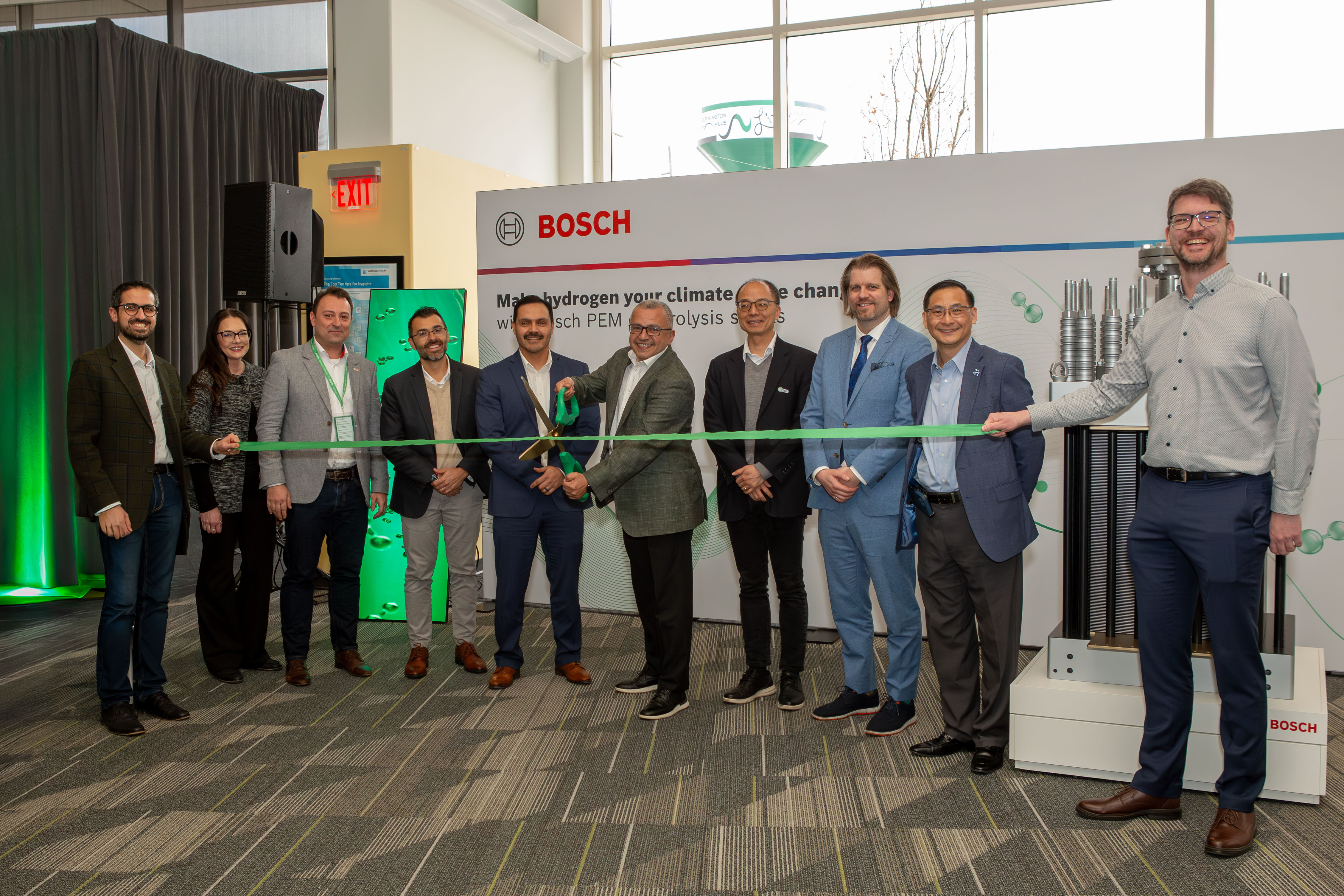
Hydrogen technology was the focus of today’s program that attracted more than 100 of hydrogen’s top experts to Bosch’s Farmington Hills, Mich. campus. The day included three panels of experts discussing stationary, mobile and derivative hydrogen applications and a keynote address from Jordan Choby, group vice president, Powertrain, Toyota Motor North America, Research and Development.
As demand grows for clean, reliable energy solutions, Bosch is focused on building a comprehensive hydrogen ecosystem in mobility, industry and stationary power. The company’s approach brings together advanced engineering, global scale, and cross-sector collaboration to help drive hydrogen’s widespread adoption.
“At Bosch, we are committed to helping build the hydrogen economy and we are prepared to support its growth at whatever pace it advances,” said Peter Tadros, regional president, Power Solutions, Bosch in North America. “Our strategy is to support customers across the value chain with scalable technologies that make hydrogen practical for real-world applications. From production to infrastructure and utilization, we are investing to help unlock hydrogen’s full potential.”
North America electrolyzer expansion strengthens local supply chain
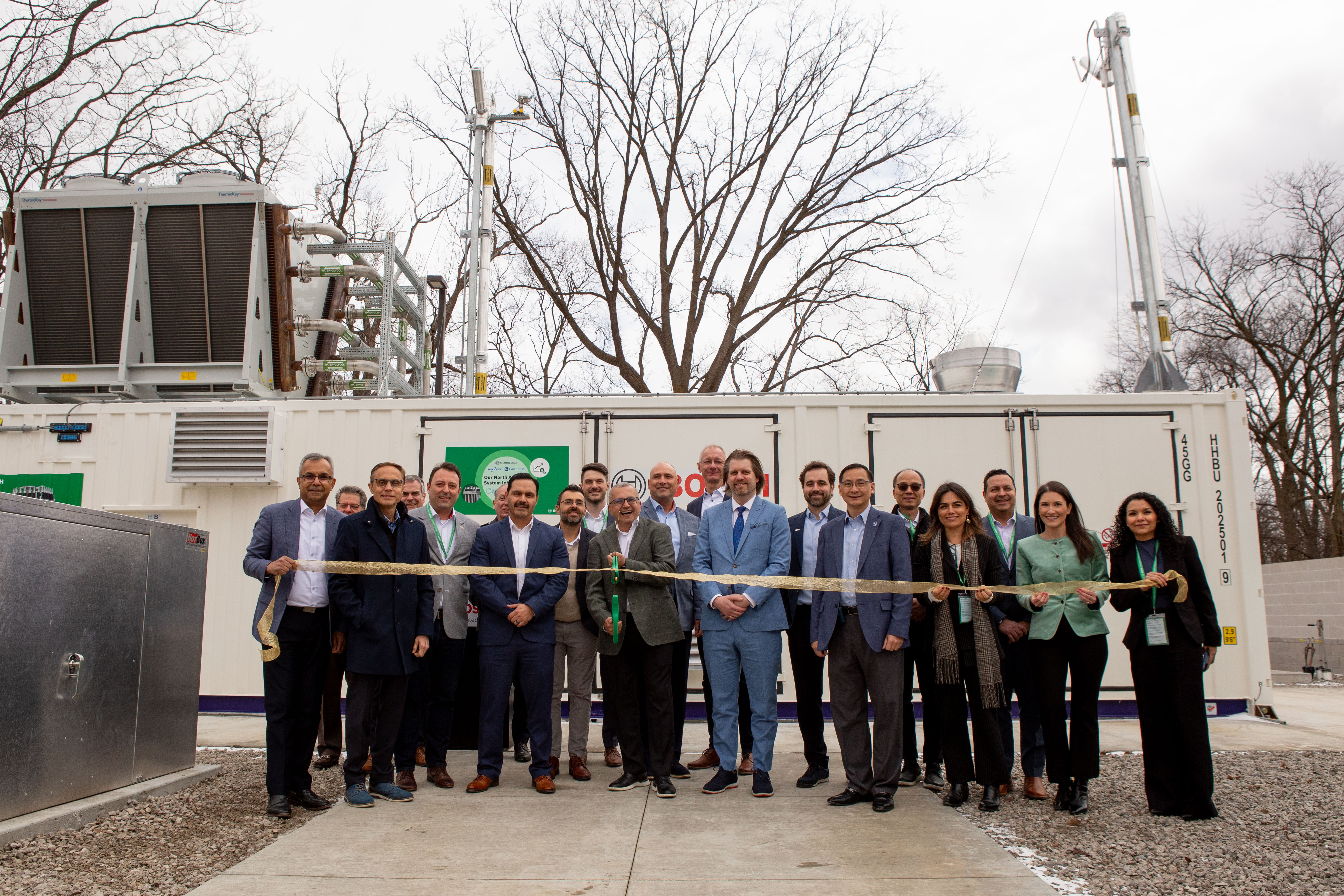
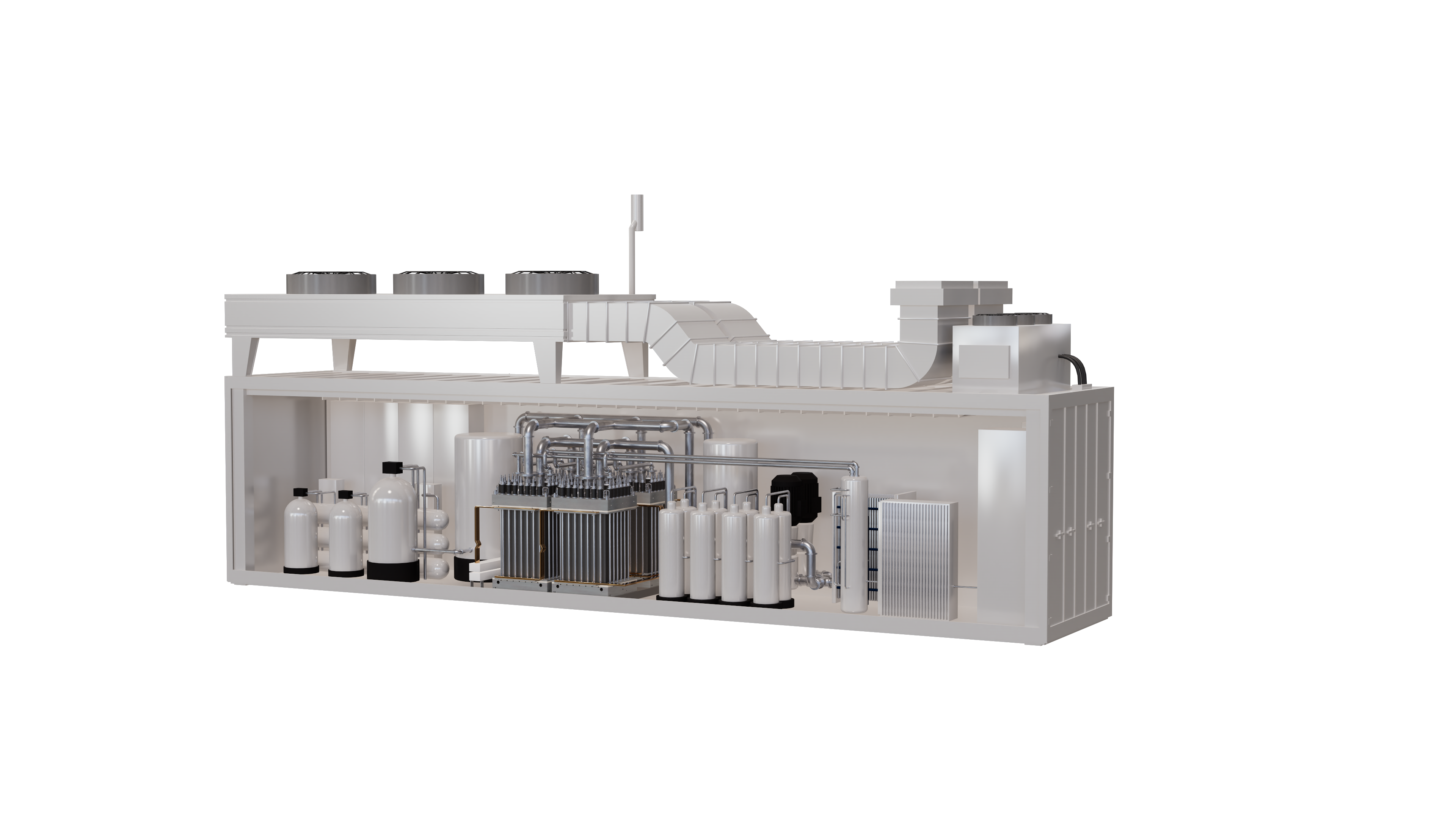
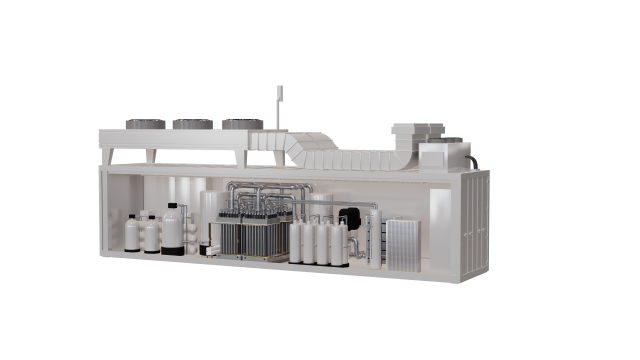
Bosch is expanding its presence in hydrogen production with the grand opening of its own electrolyzer – with a Hybrion stack by Bosch – facility in Farmington Hills. The site is the North America headquarters for Bosch’s electrolyzer and fuel cell application engineering and testing and will utilize the hydrogen produced for these activities.
“This new electrolyzer facility demonstrates Bosch’s long-term commitment to enabling the growth of the North American hydrogen market,” added Carola Ruse, senior vice president, Electrolyzer Solutions, Robert Bosch GmbH. “We are investing in local competence to help our customers reduce emissions and strengthen energy resilience. Michigan’s engineering talent and industrial heritage make it an ideal location to advance hydrogen technologies.”
The investment underscores Bosch’s commitment to strengthening the domestic hydrogen supply chain while supporting customers and collaborators across North America.
New cryopump technology supports hydrogen infrastructure
A key component of Bosch’s ecosystem strategy is the development of a next generation cryopump from Bosch Rexroth which is designed to be efficient and reliable, helping drive down costs for hydrogen refueling infrastructure. The technology helps enable faster, safer and more energy-efficient handling of liquid hydrogen, an important step in supporting heavy-duty mobility, aviation and large-scale energy applications.
“Hydrogen infrastructure requires robust, high-performance components,” said Dave Hull, regional vice president, Bosch Rexroth. “Our cryopump technology addresses critical challenges such as boil off losses, reliability, energy efficiency, and scalability. By enabling more efficient fueling, we are helping customers move hydrogen from pilot projects to commercial deployment.”
The Cryopump's modularity helps eliminate the need for high-pressure storage, reducing the capital and operational costs of station operators, and paving the way for hydrogen-powered commercial vehicles.
A comprehensive hydrogen ecosystem
Bosch’s hydrogen portfolio spans multiple technologies, including fuel cell systems, hydrogen engines, electrolysis stacks, and infrastructure solutions. By connecting these innovations, the company aims to create an integrated ecosystem that supports decarbonization across sectors such as transportation, manufacturing and energy.
Through collaboration with industry stakeholders, governments and research institutions, Bosch is working to accelerate the transition to a hydrogen economy that is sustainable, scalable and economically viable.