Stefan Hartung,
chairman of the board of management of Robert Bosch GmbH,
and Markus Forschner,
member of the board of management and chief financial officer,
at the annual press conference
on April 16, 2026
Check against delivery.


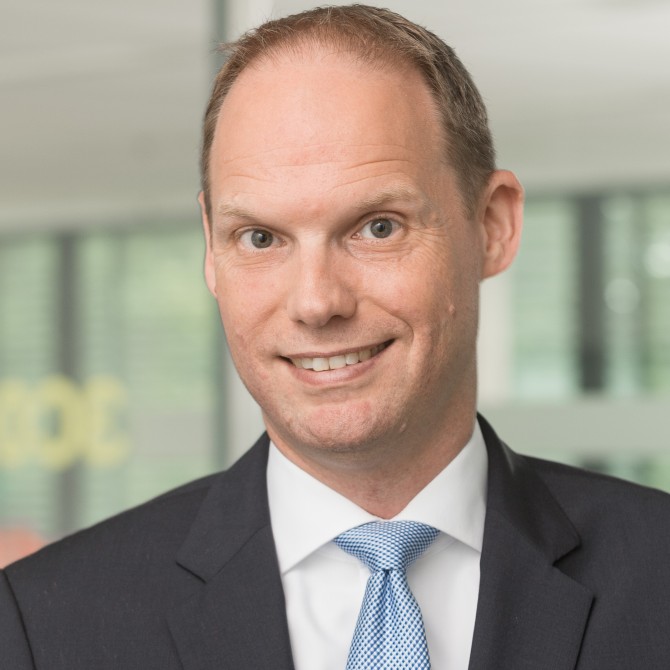
Sven Kahn
Stefan Hartung,
chairman of the board of management of Robert Bosch GmbH,
and Markus Forschner,
member of the board of management and chief financial officer,
at the annual press conference
on April 16, 2026
Check against delivery.
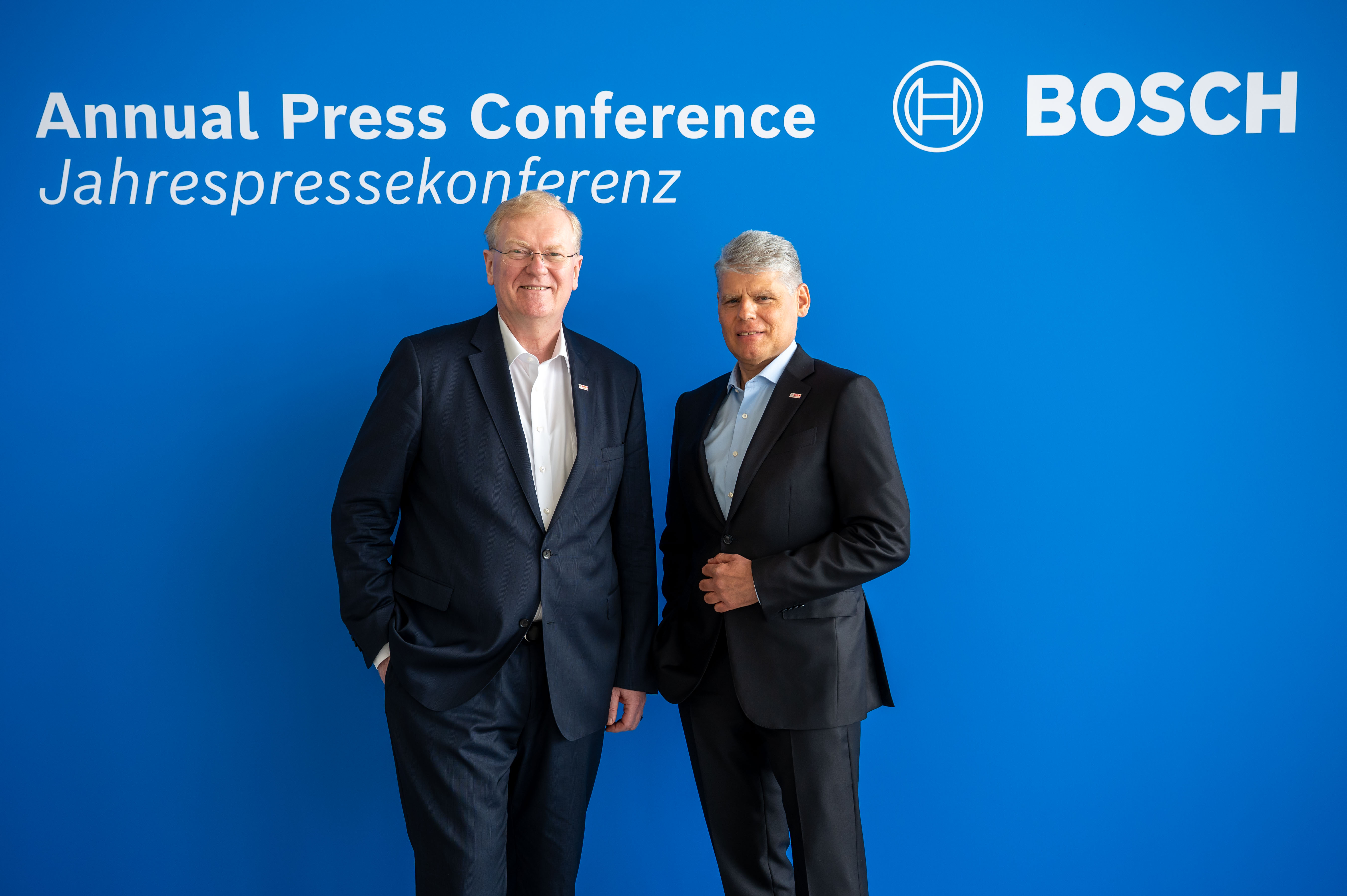
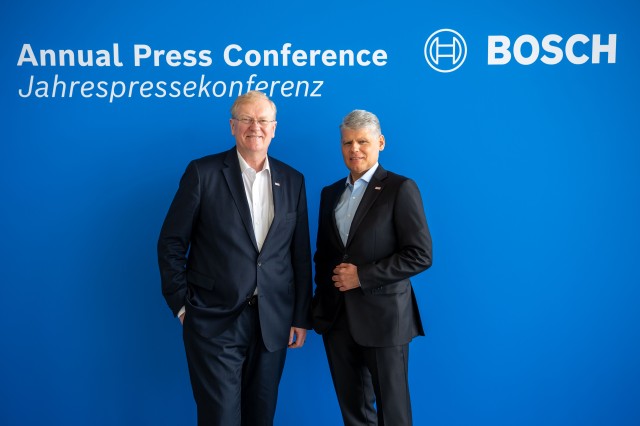
Stefan Hartung (left) and Markus Forschner
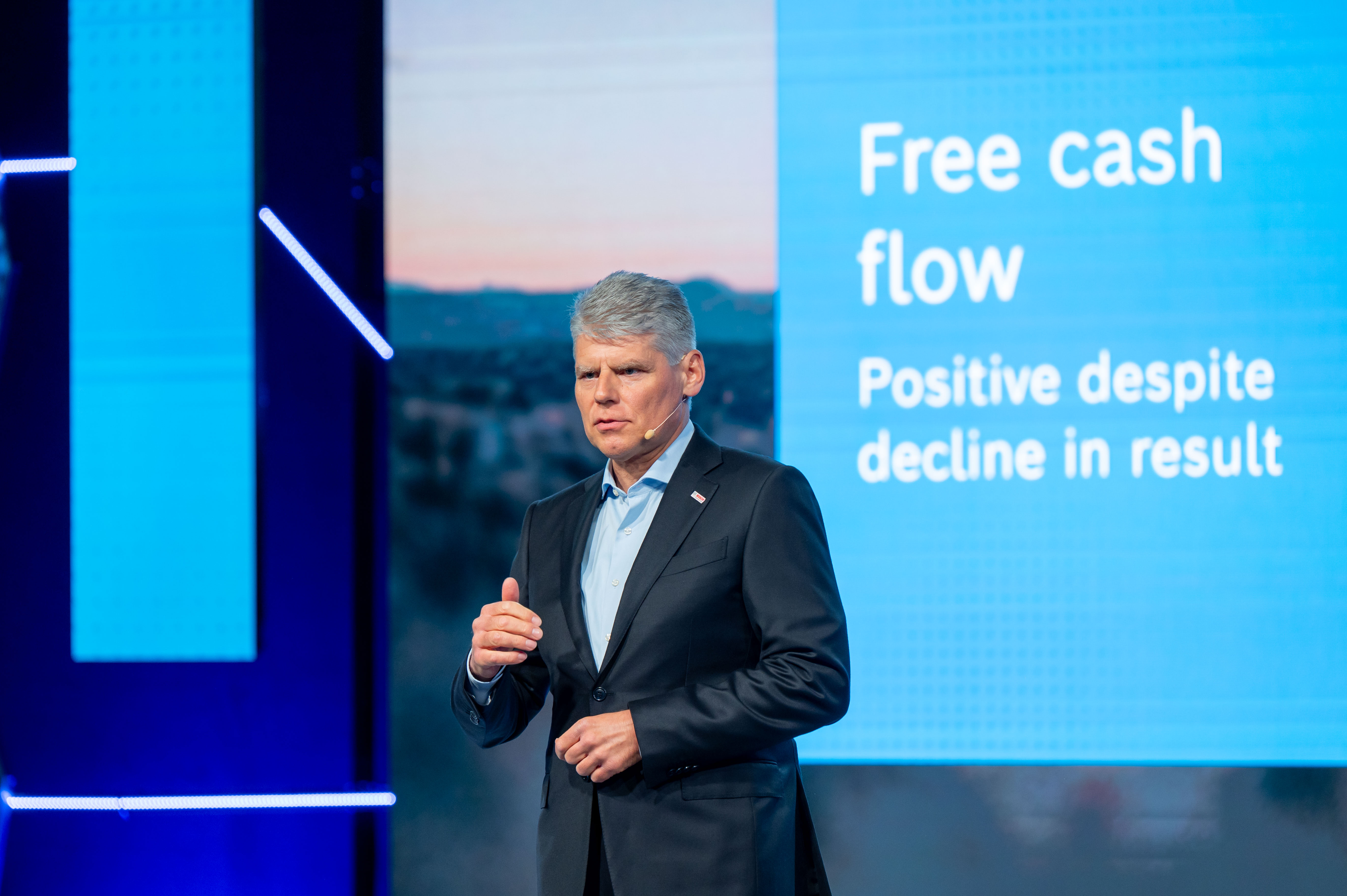
Markus Forschner, member of the board of management and chief financial officer of Robert Bosch GmbH.
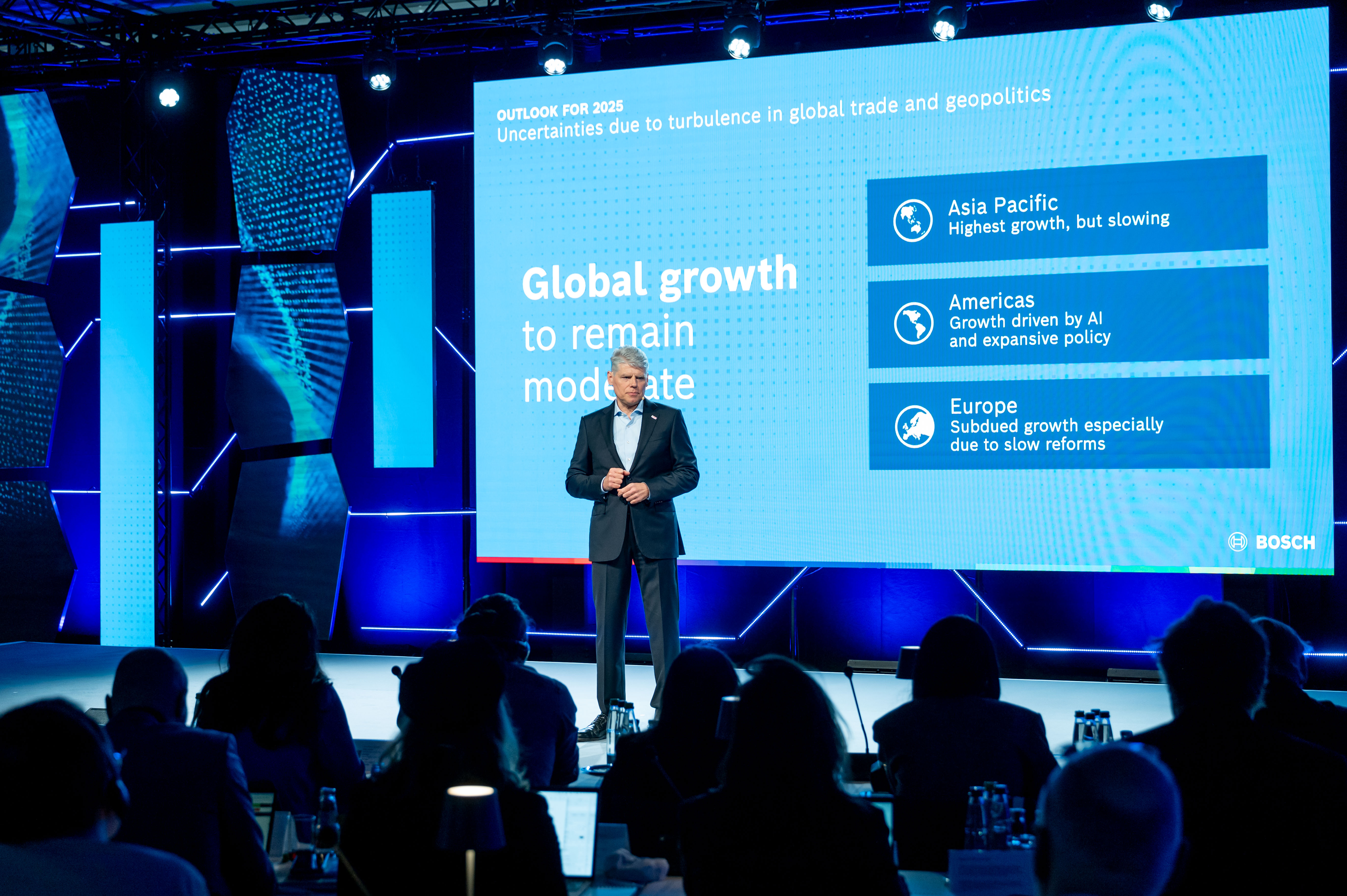
Markus Forschner, member of the board of management and chief financial officer of Robert Bosch GmbH.
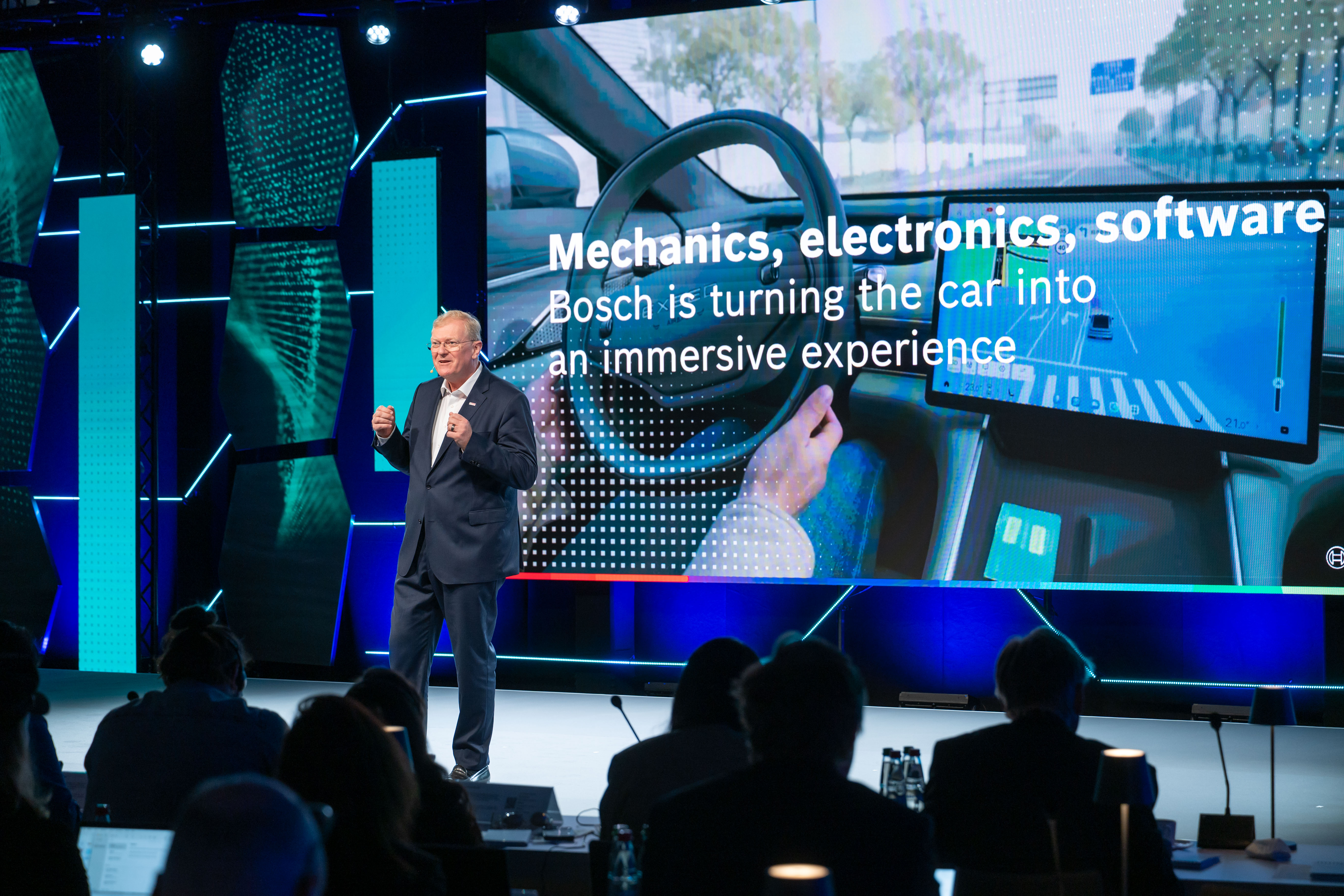
Stefan Hartung, chairman of the board of management of Robert Bosch GmbH.
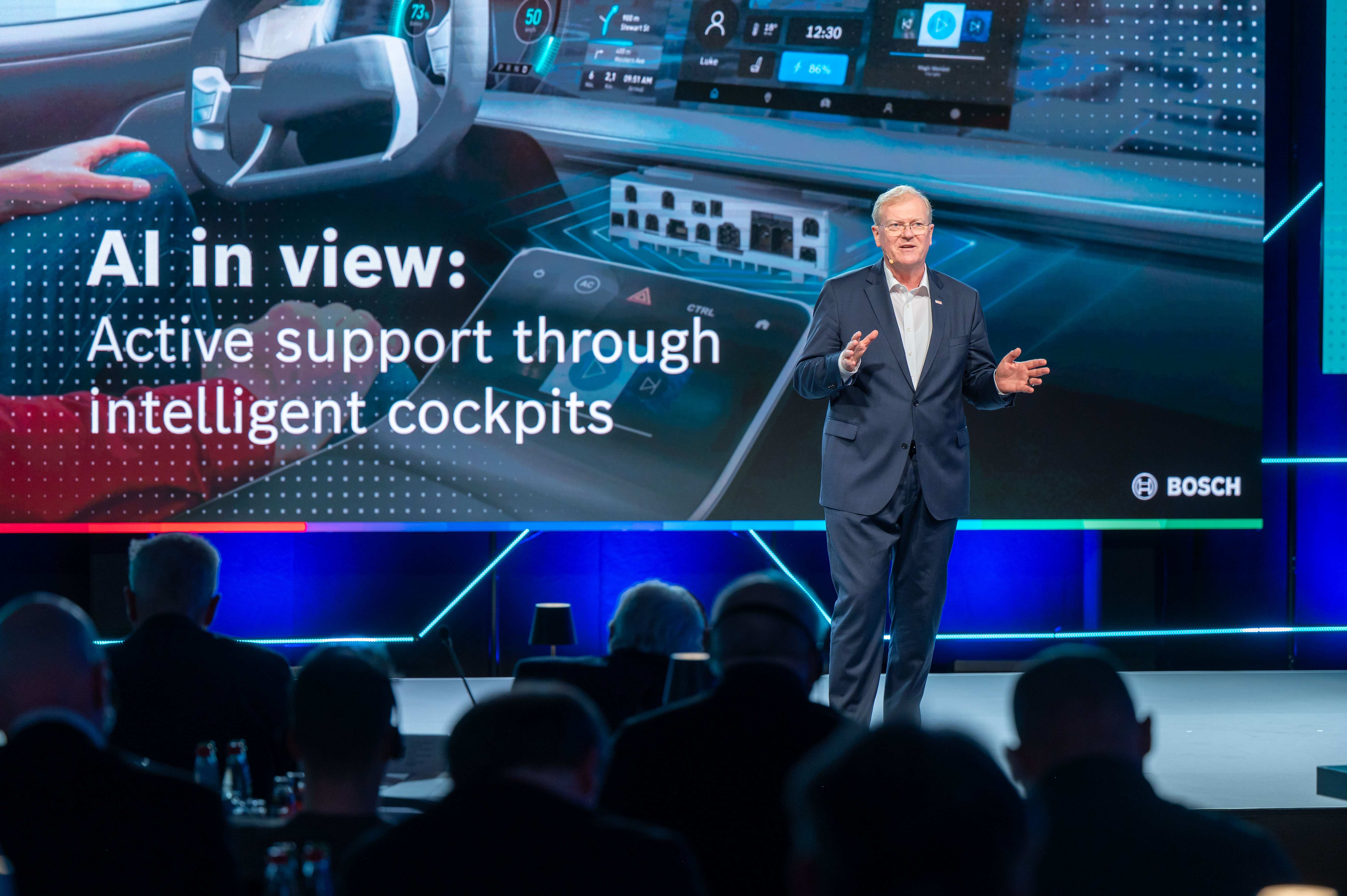
Stefan Hartung, chairman of the board of management of Robert Bosch GmbH.
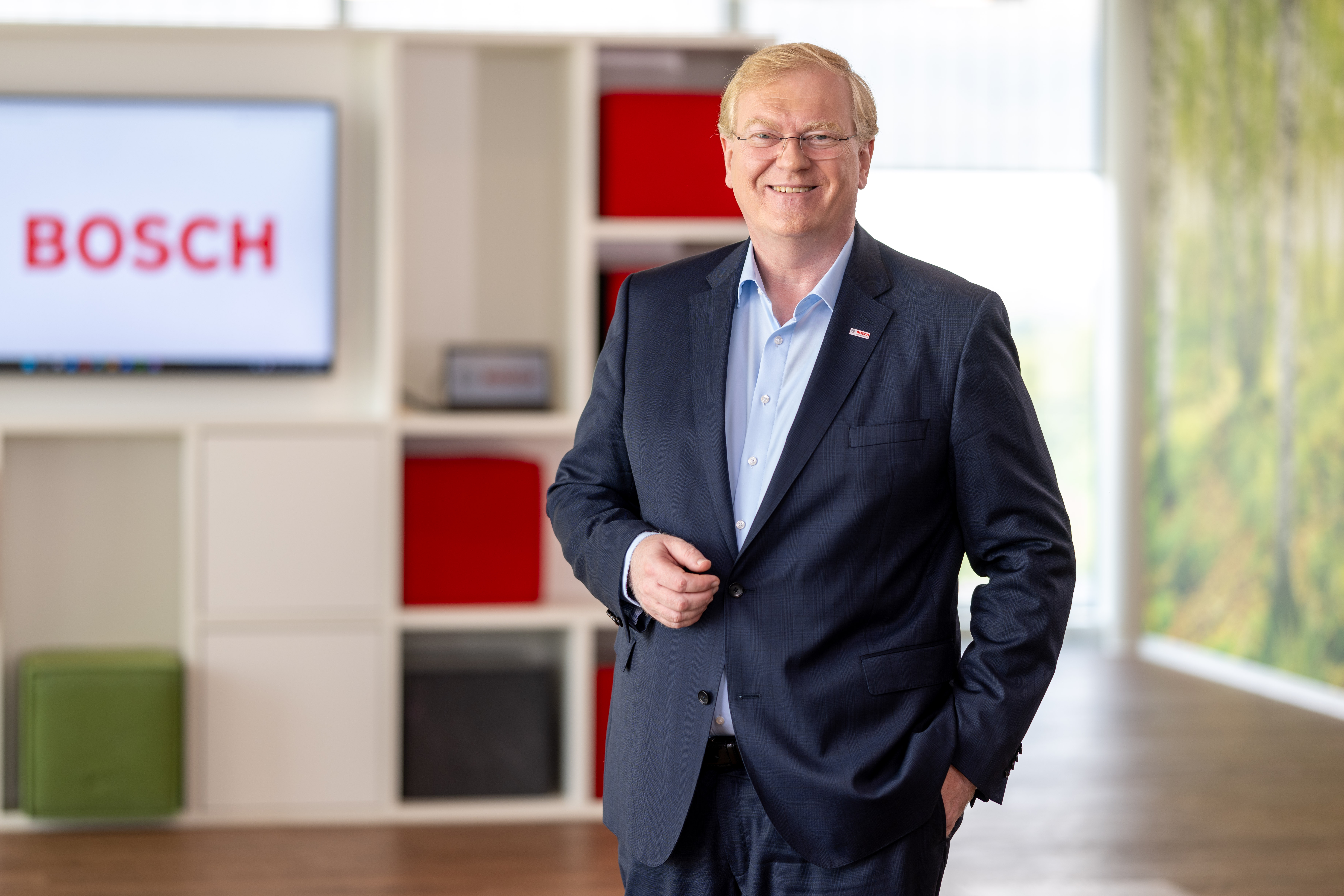
Dr. Stefan Hartung
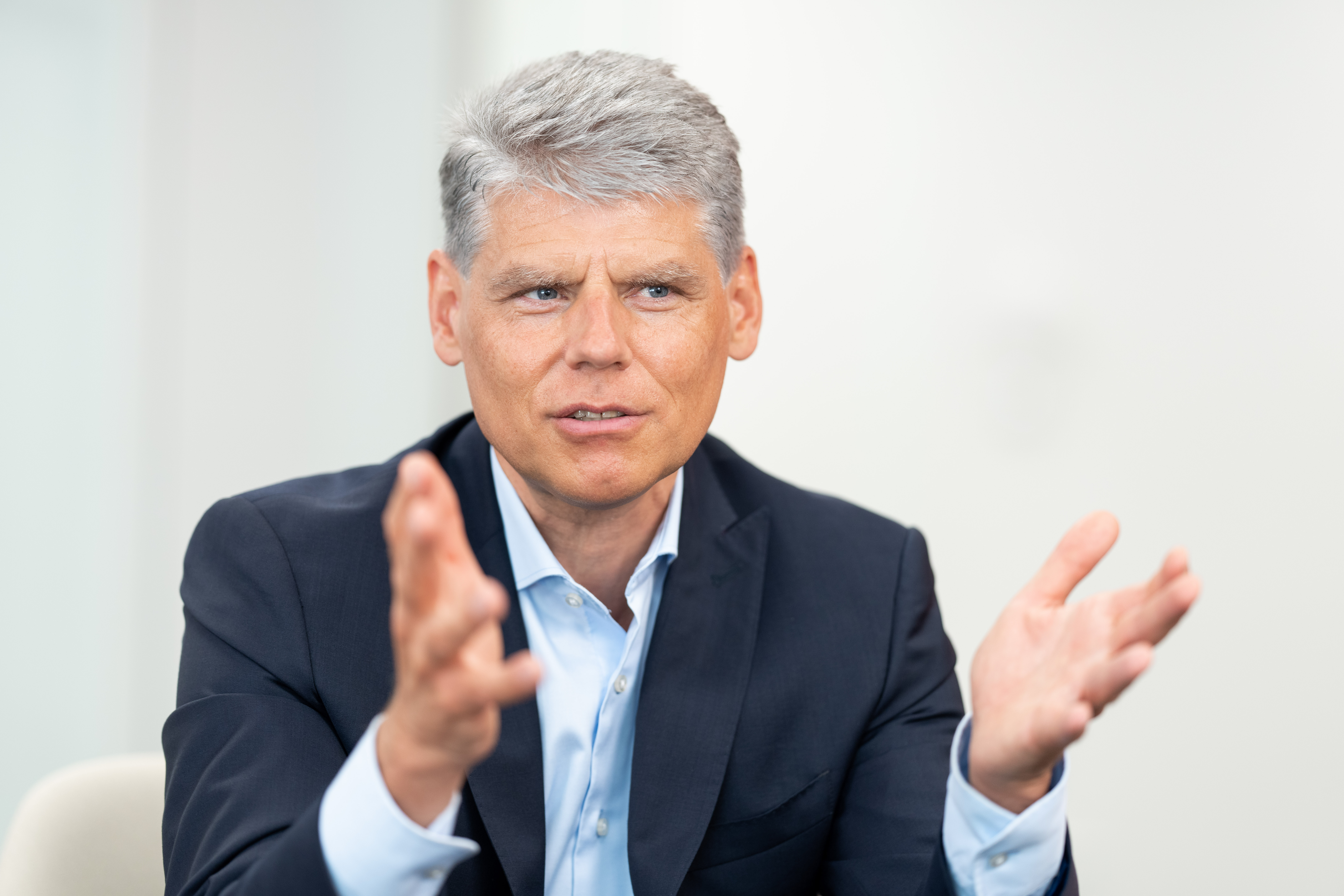
Dr. Markus Forschner
Stefan Hartung (left) and Markus Forschner
Stefan Hartung, chairman of the board of management of Robert Bosch GmbH, (left) and Markus Forschner, member of the board of management and chief financial officer of Robert Bosch GmbH, at the 2026 Bosch annual press conference.
Markus Forschner, member of the board of management and chief financial officer of Robert Bosch GmbH.
Markus Forschner, member of the board of management and chief financial officer of Robert Bosch GmbH, at the 2026 Bosch annual press conference.
Markus Forschner, member of the board of management and chief financial officer of Robert Bosch GmbH.
Markus Forschner, member of the board of management and chief financial officer of Robert Bosch GmbH, at the 2026 Bosch annual press conference.
Stefan Hartung, chairman of the board of management of Robert Bosch GmbH.
Stefan Hartung, chairman of the board of management of Robert Bosch GmbH, at the 2026 Bosch annual press conference.
Stefan Hartung, chairman of the board of management of Robert Bosch GmbH.
Stefan Hartung, chairman of the board of management of Robert Bosch GmbH, at the 2026 Bosch annual press conference.
Dr. Stefan Hartung
Dr. Stefan Hartung, chairman of the board of management, Robert Bosch GmbH.
Dr. Markus Forschner
Dr. Markus Forschner, member of the board of management and chief financial officer of Robert Bosch GmbH.
Ladies and gentlemen,
“For tomorrow. Today.” – That’s precisely what we’re here to talk about. Today, we’ll talk about the future. We’ll talk about new technologies, pioneering innovations, and strategic partnerships. We’ll talk about the right response to geopolitical challenges and the mobility of tomorrow. About AI and customer proximity, about software and sensors, and about the next generation of home appliances. In other words, we’re talking about everything that will shape our company in the coming years and – more importantly – will allow it to grow. And with that, I warmly welcome you to our press conference here in Renningen.
However, just because we’re focusing on our opportunities and strengths today doesn’t mean that we’re ignoring the present. It’s too early to give the all-clear. These challenges still exist and are still considerable – even for our company. There are still too many bureaucratic and regulatory shackles, too many question marks in global politics, and too little demand in many of our core markets. But one thing’s becoming increasingly clear: our answers to these challenges are the right ones. Bosch can deliver the future – even under unfavorable conditions.
We’ve worked hard to achieve this confidence. As you know, we had to make some very painful and, for many of our associates, momentous decisions in the past financial year. However, the only way for us to persevere in an increasingly competitive environment is to reduce and streamline our costs and structures – not only in the short term, but in the long term.
Last year’s figures show a clear need for action. In total, we generated sales revenue of 91 billion euros, which is roughly the same as in 2024. Our EBIT of around 2 percent was below the previous year’s level and also below our expectations. My colleague Markus Forschner will provide you with the detailed figures later on. But for right now, I can share two conclusions: one, our result is still within the acceptable range against the backdrop of challenging operating conditions and extraordinary burdens. And two, it’s clear that we need to further improve our profitability and competitiveness.
However – and this brings us back to the aforementioned confidence – we’ve already made noticeable progress in 2025 and in the first few months of this year. I’d like to briefly present the five most important developments:
First, we’ve reached agreements with employee representatives at all affected German Mobility locations regarding further local developments. By their very nature, the negotiations weren’t easy, but both sides demonstrated a marked sense of responsibility – and their efforts ultimately bore fruit. We’ve spent a lot of money on these agreements, including out of a sense of fairness toward the associates affected. However, any further delay would have cost significantly more in the long run and increased uncertainty for everyone involved. And even though it will still take some time before the measures take full effect, we must implement them now – as quickly and consistently as necessary, but also in as socially acceptable a manner as possible.
Second, we won a record number of new orders in our Mobility business sector last year. Especially with our ADAS product family, by which I mean our intelligent driver assistance systems, we’ve been awarded a large number of strategically important projects. The situation in electrification is similar: a premium manufacturer has placed a major order with us for e-axles, and several other manufacturers from all over the world also rely on our solutions in this area. This was an outstanding achievement by all colleagues involved, especially given the circumstances. At the same time, this success is closely linked to my first point: these projects will really pay off only if we can operate efficiently enough. This is because global prices in the automotive industry are increasingly based on just one standard, and that’s China’s.
However, despite all the challenges – and this brings me to my third point – I’m convinced that we will help shape the new automotive world just as much as we did the previous one. For years, we’ve been working intensively on the three major trends in the industry: automation, electrification, and software-defined mobility. The cars of the future will be more technologically sophisticated – and that’s just right for Bosch. Because what we’re particularly good at is connecting mechanics, electronics, and software into a single intelligent system. The car will become a fully immersive experience.
Over the past few months, we have systematically expanded precisely those strengths that will be needed for the mobility of tomorrow. These include close ties with our customers through reliable partnerships and joint system developments. Or our unique breadth of technologies, which span the entire vehicle lifecycle and are increasingly being improved and expanded by AI. Economies of scale also remain extremely important.
One thing in particular is becoming more and more clear: our special combination of thinking globally and acting locally is a decisive advantage in a geopolitically fragmented world. This is because trade barriers and different user expectations increasingly require regionally adapted solutions. The future belongs to those who can adapt their portfolios and supply chains to regional conditions – and still deliver world-class quality. And that’s exactly what we do: we transfer innovative, efficient solutions from our lead markets to the whole world – in exactly the way our customers expect us to. It’s yet another reason why we’re the number one supplier in the highly competitive Chinese market.
This global presence brings me to my fourth point, namely, how it shapes our business outside the automotive segment. No other area is currently growing more strongly than our Energy and Building Technology business sector. The Bosch Home Comfort Group in particular is in the midst of many changes. With the acquisition of Johnson Controls and Hitachi’s heating, ventilation, and air-conditioning business, or HVAC for short, we’ve reached a milestone that strengthens us significantly in terms of both technology and our regional presence. The division has almost doubled the number of its plants to 33, and currently operates 26 development centers. This means the Bosch Home Comfort Group is close to customers around the world and can adapt its range to local requirements at any time. Electrification is merging heating and cooling – anyone wanting to be part of this shift has to be globally and broadly positioned. That’s us. Despite difficult conditions, the division was able to significantly increase its market share last year thanks to the strong growth for heat pumps in Europe. We expect a gradual revival in the market this year and then long-term growth starting in 2027, particularly in North America.
Bosch Global Service Solutions, our division for connected services in the areas of mobility and monitoring, is also doing extremely well at the moment. Here, too, we received more orders last year than ever before. These include solutions for digital mobility services, such as eCall and breakdown assistance, as well as services for fleet operators, logistics providers, and building managers. We expect on average double-digit sales growth in this division up through 2030, due in part to our heavy focus on AI-based applications and innovations.
And to give rise to more growth stories like this, we’ve recently established our subsidiary Bosch Business Innovations. Its mission is to systematically develop new business areas for Bosch outside the current core business. We’re supporting these efforts by investing some 200 million euros. Up to ten business ideas are to be validated and implemented in initial structures just by the end of this year. Our goal for 2030 is even more ambitious: by then, we want to have successfully established more than 20 startups together with experienced venture studios, external founders, and investors. Initial areas of focus include software-controlled manufacturing, the field of remote medical monitoring, and the capture, use, and storage of CO2.
This brings me to the fifth and perhaps most important success factor: we’re working on hardly anything right now as hard as we are on our innovative strength. This is the most important currency we have. In international competition, it’s ultimately not just about costs, but above all about differentiating ourselves. To achieve this, however, we have to develop solutions even faster and then just as quickly convert them into products and sell them. We’ve made excellent progress here, as some of you have already seen on the tours this morning. Later on, I’ll explain a few examples in more detail, including one solution that could potentially save many lives – and another one that already does. Before that, however, our chief financial officer Markus Forschner will now present the key business figures to you in detail.... Markus, if you please...
Ladies and gentlemen, I too would like to welcome you to the Bosch annual press conference. As Stefan has already said, we see considerable opportunities for Bosch and are determined to seize them. The foundation for future profitable growth is our competitiveness – that’s why we’re continuing to work hard to improve it. In 2025, we set an important course and introduced further comprehensive actions to improve efficiency and profitability. 2026 will be dominated by their implementation, and our plan is for them to take effect quickly. This also strengthens our resilience to future challenges. After all, we must continue to prepare ourselves for an environment of great uncertainty. But before we look ahead, let’s first take a look back at the 2025 financial year.
The global economy proved remarkably resilient in 2025 despite considerable uncertainty. Growth plateaued at a moderate level, however, and economic momentum in our focus markets remained weak. In 2025, we were faced with a complex interplay of various negative factors – volatile trade policy, unfavorable currency effects, and increased competition.
We held our own in an adverse environment and were able to increase the Bosch Group’s sales revenue to 91 billion euros. This represents a nominal increase of 0.7 percent, or 4.1 percent when taking exchange-rate effects into account. The 1.2 billion euros in sales revenue from the acquisition in the HVAC sector has had a positive impact. That meant our Energy and Building Technology business sector recorded growth of a very pleasing 13 percent – despite the sale of the building technology product business in mid-2025. Even adjusted for these portfolio changes, the sector achieved growth, in spite of subdued construction activity and regulatory uncertainties in the heating market.
In the Mobility business sector, nominal sales revenue remained roughly at the previous year’s level. Adjusted for exchange rate effects, there was growth of 2.9 percent. One of the main reasons for this was the continued weak environment in the vehicle market, particularly in Europe, where the business sector generates a large portion – more than 40 percent – of its sales revenue. Although sales in areas of future importance such as electromobility and automated driving developed positively compared to the previous year, they fell short of our planning. Industrial Technology’s sales revenue also remained near the previous year’s level, due primarily to the downward trend in the North American market. The lack of momentum from the construction industries in China and the U.S. was particularly noticeable in Consumer Goods, where we recorded a nominal 1.9 percent decline in sales revenue, although it was an increase after adjusting for exchange-rate effects.
From a regional perspective, sales revenue in Europe fell by 0.6 percent, while the other regions of the world posted slight increases – 3.8 percent in the Americas and 0.7 percent in Asia Pacific. Exchange-rate effects had a negative impact on global sales revenue totaling 3.1 billion euros.
EBIT from operations also came in below our expectations, falling to 1.8 billion euros. The EBIT margin from operations came to 2.0 percent, following 3.5 percent the previous year. One of the main reasons for this is restructuring expenses of 2.7 billion euros, which are mainly in the form of provisions. Exchange-rate effects, lower contribution margins, and higher or additional customs duties also had a negative impact. Overall, this results in a picture that is strongly influenced by special and one-off effects beyond our actual business development. Profit before tax fell to 0.5 billion euros, compared with 2.7 billion euros in the previous year. After taxes, result was negative at −0.4 billion euros, compared with 1.3 billion euros in the previous year.
Despite the decline in result, we once again achieved a positive free cash flow of 0.3 billion euros in 2025. Liquidity according to the consolidated statement of cash flows remained high at 7.4 billion euros, as did the equity ratio of 41.6 percent. Bosch is therefore standing on a stable financial foundation, even in challenging times.
We’re pleased to say that all our business sectors made a positive contribution to result: Mobility with 1.8 percent of sales, Consumer Goods with 3.0 percent, Industrial Technology with 3.5 percent, and Energy and Building Technology with 0.5 percent. In addition to restructuring costs, which impacted all sectors, Energy and Building Technology also saw one-off costs due to our acquisitions and sales activities that had a negative effect on result.
The number of associates worldwide fell by some 5,100 to around 412,800 in 2025, a decline of 1.2 percent. Adjusted for consolidation- and method-based effects, the operational workforce reduction amounts to around 15,000 associates, affecting the Mobility business sector and Germany the most. This shows that we are making good progress in implementing the socially responsible measures.
Even in difficult times, Bosch is prepared to make substantial upfront financial investments. Capital expenditure remained at the high level of 4.1 billion euros, albeit lower than it was the previous year. In 2025, we once again made targeted investments in numerous projects of future importance, with a focus on semiconductors, sensors, modern braking control systems, and electromobility. Bosch’s expenditure on research and development amounted to 7.9 billion euros, or 8.7 percent of sales.
Ladies and gentlemen, what awaits us in the current financial year? Business and the economy will continue to be characterized by considerable uncertainty in 2026. Geopolitical tensions are escalating, national interests are increasingly putting the brakes on free trade, and this is putting a strain on the global economy. The impact of the war in the Middle East on inflation, global economic output, and the delivery of energy resources cannot yet be estimated. It also remains to be seen how the U.S. Supreme Court’s decision will affect future customs and trade policy and what claims will arise for reimbursement of tariffs.
At present, we expect global economic growth to remain at the moderate level of previous years. Asia Pacific is once again expected to record the highest growth rates, although we anticipate a slowdown. This is due particularly to China’s structural challenges, for example in the real estate industry or demographic trends. In the U.S., we’re likely to get a boost from strong momentum in artificial intelligence and a more expansive monetary and fiscal policy. Increasing government spending on infrastructure and defense is also supporting growth in Europe. However, it will probably remain subdued, especially because the necessary reforms for greater competitiveness are being implemented only slowly, particularly in Germany.
Markets remain demanding and implementing our growth targets is challenging. The price and competitive pressure is palpable. Nonetheless, in the first three months of this year, we were able to keep our revenue more or less at the previous year’s level, and increased it by some 5 percent after adjusting for exchange-rate effects. We’re confident that we can exploit the potential in our markets – with innovative strength, a high degree of technological expertise, and global positioning that puts us close to our customers. Despite the unfavorable environment, which is intensifying competition and hampering growth opportunities, we aim to increase the Bosch Group’s sales by 2 to 5 percent in 2026. We expect growth in all business sectors, mostly in Energy and Building Technology with double-digit growth driven especially by the newly acquired business. Industrial Technology is likely to make solid gains by tapping the potential offered by advancing automation and electrification. Despite a probable decline in vehicle production, we’re forecasting a slight increase in sales for Mobility, and in Consumer Goods as well.
For 2026, we anticipate a major improvement in result with an EBIT margin from operations of between 4 and 6 percent of sales. One reason for this is that special effects, such as the high provisions of the previous year, no longer affect us to the same extent. In addition, the restructuring actions are gradually having a positive effect on result. Even if we don’t reach our target margin of 7 percent in 2026, we’re on the right track and are making great progress.
Profitable growth also requires financial leeway. We want to tap into this primarily from our own resources, but also by using the capital markets. Previously, we could issue financial instruments such as bonds during the year only for a limited period once our consolidated financial statements were available. Now, however, we intend to make our access to the capital markets much more flexible in the future. For this reason, this year we’re publishing interim consolidated financial statements and an interim group management report for the first time. This improves our ability to access the capital markets, even though we have a strong capacity to finance our business from our own resources.
Ladies and gentlemen, as you can see, we’re working hard to improve our financial robustness and competitiveness, as this will enable growth and secure our future. And now I’ll hand back to Stefan Hartung.
Thank you, Markus! The figures clearly show once again that we will have to continue with a two-pronged approach for the foreseeable future. The first prong is to secure and optimize our core business. And the second is about carefully selecting growth areas and opening them up quickly. One finances the other, and both together secure our future.
In both areas, the fuel is the same: innovation. That’s why I’m so very proud of all the innovations that our associates have developed, tested, improved, and brought to the market over the past few months. The spectrum is huge and ranges from highly specialized quantum sensors to products such as the first BSH oven with an AI-supported voice function. The oven requires no external loudspeakers and no additional apps, but responds quickly and precisely to simple commands – right up to voice-controlled opening of the oven door.
The smallest Bosch products, on the other hand, are barely visible to the naked eye, but have long since established themselves as lifesavers. I’m talking of course about our sensors. For example, sensors built into a smartwatch can detect if the wearer takes a sudden fall, so that an alarm can be triggered in good time. Another example is pressure sensors, which help rescue teams find and treat people seeking help more quickly. These sensors work even in high-rise buildings, as they can indicate height differences down to a few centimeters. It’s estimated that this function saves thousands of lives in the U.S. alone – every year.
Bosch sensors are also playing an increasingly important role in consumer electronics and robotics. They make artificially created environments look extremely realistic, they stabilize the images from smartphones and action cameras, and they help robots find the right path even under difficult conditions. The different variants are based on the BMI5 sensor platform, our most intelligent, most accurate, and most powerful sensor solution to date – ideally suited for a rapidly growing sector in which Bosch is the market leader.
And there’s another emerging technology that depends heavily on smart sensors: automated driving. One example here is our range of inertial sensors, including the SMU300. This sensor works for an automated car in much the same way as the inner ear works for us: all rotations and inclines are recorded with the utmost precision and processed into something akin to a sense of balance. It allows the car to maintain full awareness of its whereabouts even when camera or GPS signals aren’t available. The portfolio encompasses individual sensors as well as customized solutions, such as our IMU-Integrated.
Such solutions play a key role in the success of our ADAS product family. As mentioned earlier, the demand here is particularly encouraging to see. In 2025 alone, we won orders worth 10 billion euros for intelligent driver assistance systems across all regions of the world. These include software solutions as well as central vehicle computers or products: for example, camera systems, high-precision radar sensors, and ultrasonic sensors that not only help with parking, but also detect whether the road is wet or dry and send corresponding signals to the assistance systems.
Of course, the future of mobility also includes the integration of artificial intelligence into the entire lifecycle of the car – from its manufacture to regular software updates. Bosch is at the forefront in this area and is now literally bringing AI into the driver’s field of vision. Our new AI-controlled cockpit is a mixture of assistant, navigator, and chauffeur – it can advise, give warnings, and even think for itself. This is because behind the AI-powered cockpit is an AI-enabled high-performance computer that actively supports the driver, be it with appointment management, route planning, or the predictive search for a parking space. In conjunction with our interior sensing solutions, the AI-powered cockpit can turn driving into a completely new, highly personalized experience.
The vehicle recognizes who’s at the wheel and detects whether there are any other passengers on board, then adjusts everything accordingly: from the exterior mirrors and vehicle handling to optimized airbag deployment in the event of an accident. Buttons and touchscreens are increasingly being supplemented by gestures and “normal” speech: the interface between person and machine is shifting more and more in the human direction. In the future, parking the car will require just one voice command before the AI-powered cockpit steps in to handle everything else – all that’s left for you to do is get yourself out of the car. At the same time, interior recognition is crucial for automated driving, as this is the only way the car can determine whether a person is really in a position to take over the wheel again.
In this respect, all these functions aren’t just some fun gimmick. On the contrary: taken together, they can make driving considerably more convenient and, above all, safer. This is particularly true when other functions are available in the vehicle – for example, our Vehicle Motion Management, which is already used by more than 20 manufacturers worldwide. This software handles central control of brakes, steering, powertrain, and chassis. The individual systems are optimally coordinated with each other, exactly as the driver wants them to be. On command, the vehicle switches from smooth to sporty or vice versa. But not in the same way as the usual changes between driving modes; instead, in such a way that you think you’re sitting in a completely different car.
Things get really exciting when you combine our Vehicle Motion Management with intelligent driver assistance systems, like in the new automated emergency steering function. As soon as an obstacle is detected, the system automatically and precisely initiates an evasive maneuver without compromising the vehicle’s stability – even at speeds of up to 100 kilometers per hour. Bosch worked with a Chinese vehicle manufacturer to make this function ready for volume production within six months. The next safety features are already in the test phase – including an almost revolutionary lane-keeping support system. Truly, technology that’s “Invented for life.”
All this is complemented by our by-wire systems for brakes and steering. Steer-by-wire, for example, replaces the mechanical connection between the steering wheel and the steering mechanism with electrical signal lines. With these in place, when the lane-keeping support system helps the driver react, the steering wheel remains completely still – no distracting movements, no irritating shaking. At the same time, the driver retains full control and a secure steering feel at all times. Our customers were able to experience for themselves how precisely, quickly, and sensitively our system operates during the recent winter tests in northern Sweden.
All these solutions are key technologies on our path toward automated driving and software-defined mobility. But here, too, any players looking to break into new worlds quickly and deeply would do better to seek out strong partners. Almost all the functions I’ve just presented to you require one or more systems on a chip, meaning chips on which all essential signals from driver assistance and infotainment converge. We work closely with partners such as Qualcomm, Nvidia, Renesas, and Horizon Robotics to ensure that our technologies are perfectly matched to the respective chips. The volumes we’re talking about here are enormous: for example, as part of a strategic partnership, we’ve already delivered more than 10 million digital cockpit computers with a Qualcomm system on a chip. This also applies to three major orders for cockpit and ADAS integration platforms that we’re currently implementing for manufacturers worldwide.
Of course, the cars of the future will need not only algorithms but also powertrains. We’re hard at work on this as well; for example, in electromobility. The most recent example is our new joint venture with Tata AutoComp Systems in India. Together, we want to focus on developing, manufacturing, and selling e-axles and electric motors in India, with operations scheduled to start by the middle of this year. No other company is as globally positioned in electromobility as Bosch, and we’re growing in all core markets. This year alone, we will deliver more than 7 million solutions and components for electric driving. Our customers – more than 50 worldwide – are increasingly relying on highly integrated systems, some of which go far beyond the classic e-axle. That’s why we’re bundling the motor, power electronics, transmission, and other components, such as the entire energy management system, into a single unit. Doing so will save space and cut costs. Such a solution will go into volume production this year.
The further development of the other powertrains in our portfolio depends not only on our innovative strength, but on political decisions as well. Take hydrogen, for example. We’ve just introduced a new version of our fuel-cell power module that is particularly suitable for buses in city traffic. With the solution, the vehicles can be powered electrically and – when using renewable hydrogen – even completely carbon-free.
Hydrogen remains a key growth field for us – also because the EU’s climate and resilience targets can hardly be achieved without it. In this respect, it’s regrettable that politicians aren’t doing more to drive hydrogen technology forward, or that they at least refrain from the use of some restrictive requirements. There’s currently no market for it in Europe, so we regularly review our strategy in this area. Nevertheless, we’re making upfront investments and advancing both the production and use of hydrogen. In March, we put an electrolysis stack into operation at our Farmington Hills site in the U.S., and a similar system has been running at our Bamberg plant since November. And since October, a filling station in California has enabled even heavy-duty trucks to fill up their hydrogen tanks in under ten minutes – thanks to a Bosch Rexroth CryoPump station.
We also see a need for political action in the area of conventional powertrains. The European Commission’s proposed change to the CO2 limits won’t be enough to secure investment, value creation, and, in particular, jobs in Europe. That’s because efficient combustion engines will remain important for a long while yet. We expect that around 50 percent of all new vehicles worldwide will still have a combustion engine on board in 2035; roughly half of these will be powerful hybrids. For Europe, this means that if we limit ourselves exclusively to battery-electric powertrains, we’ll forgo about half the global market – and thus the corresponding jobs and skills. Excessive regulation would therefore affect the European industry right at its very core.
This can be avoided only if we make use of all available technologies during the transformation. We need battery-electric powertrains, hybrids, range extenders, and efficient combustion engines with renewable fuels. We want to play a major role here with our solutions in the combustion and hybrid businesses – our expertise in these areas has always been in demand worldwide. It is therefore welcome news that the federal government intends to maintain favorable and reliable conditions for plug-in hybrids and continue to permit vehicles powered by renewable fuels.
This also applies to the Mobility Aftermarket, meaning our workshop business, which serves both technology worlds – electric and conventional powertrains – exceptionally well. Our ESI[tronic] diagnostic software is used some 55 million times a year worldwide. This puts us in an excellent position for the future, as access to the vehicle after delivery is increasingly becoming a strategic advantage, especially in the age of software-defined mobility. The division also provides an excellent example of how we strive for sustainability by combining economy and ecology. We’ve established services for the circular economy in almost all areas of business. And our workshop division does this particularly well: with the “eXchange” program, it generated around 400 million euros in 2025. By 2030, we expect sales revenue to rise to 1 billion euros.
Ladies and gentlemen, these many examples have made one thing strikingly clear: Bosch is in a good position. 2026 will be a year of new beginnings. We also have clear goals beyond this: we want to be among the top three companies in all our key markets. We want to achieve an average annual increase in sales of 6 to 8 percent. And we want to generate a margin of at least 7 percent. In the current situation, this will take a little longer than expected. But we are still convinced that we will achieve these goals fairly soon. Our innovative strength is among the best in the industry: in terms of patent applications, we’ve been number one in Germany for many years and we’re also one of the top applicants in Europe. And I have no doubt that this will continue to be the case in the future – especially with more and more applications now coming from the AI sphere.
Bosch is celebrating a milestone anniversary this November. It will then be 140 years since Robert Bosch set up his “Workshop for Precision Mechanics and Electrical Engineering” in a courtyard in Stuttgart. A lot has happened since then, but some things have remained almost the same. For 140 years, we have constantly faced new challenges – and often enough, in retrospect, they have become pioneering success stories. For 140 years, we have been as robust as we are versatile, as resilient as we are dynamic, and as realistic as we are confident. For 140 years, we have repeatedly taken the initiative based on this confidence – and thus carried our history further and further into the future. So for 140 years, we’ve been living the idea of “For tomorrow. Today.”
Rest assured, this will still be true when our 150th anniversary rolls around.
Thank you!
Contact persons for press inquiries:
Corporate, business, and financial topics:
Sven Kahn, E-mail: Sven.Kahn@de.bosch.com
Phone: +49 711 811 6415
Automated mobility:
Andreas Haupt, E-mail: Andreas.Haupt@de.bosch.com
Phone: +49 711 811 13104
Connected mobility:
Athanassios Kaliudis, E-mail: Athanassios.Kaliudis@de.bosch.com
Phone: +49 711 811 7497
Research & advance engineering, artificial intelligence:
Matthias Jekosch, E-mail: Matthias.Jekosch@de.bosch.com
Phone: +49 711 811 17645
Energy and Building Technology:
Dörthe Warnk, E-mail: Doerthe.Warnk@de.bosch.com
Phone: +49 711 811 55508
Human resources and social welfare:
Nora Lenz-Gaspary, E-mail: NoraKatharina.Lenz-Gaspary@de.bosch.com
Phone: +49 711 811 13315
Kristina Müller-Poschmann, E-mail: Kristina.Mueller-Poschmann@de.bosch.com
Phone: +49 711 811 52988
Press kit Annual press conference 2026
The Bosch Group is a leading global supplier of technology and services. It employs roughly 413,000 associates worldwide (as of December 31, 2025). The company generated sales of 91 billion euros in 2025. Its operations are divided into four business sectors: Mobility, Industrial Technology, Consumer Goods, and Energy and Building Technology. With its business activities, the company aims to use technology to help shape universal trends such as automation, digitalization, electrification, and artificial intelligence. In this context, Bosch’s broad diversification across regions and industries strengthens its innovativeness and robustness. Bosch uses its proven expertise in hardware, software, and services to offer customers cross-domain solutions from a single source. It also applies its expertise in connectivity and artificial intelligence in order to develop and manufacture intelligent and user-friendly products. With technology that is “Invented for life,” Bosch wants to help improve quality of life. The Bosch Group comprises Robert Bosch GmbH and its roughly 500 subsidiary and regional companies in over 60 countries. Including sales and service partners, Bosch’s global manufacturing, engineering, and sales network covers nearly every country in the world. Bosch’s innovative strength is key to the company’s further development. Bosch employs some 82,000 associates in research and development.
The company was set up in Stuttgart in 1886 by Robert Bosch (1861-1942) as “Workshop for Precision Mechanics and Electrical Engineering.” The special ownership structure of Robert Bosch GmbH guarantees the entrepreneurial freedom of the Bosch Group, making it possible for the company to plan over the long term and to undertake significant upfront investments in the safeguarding of its future. Ninety-four percent of the share capital of Robert Bosch GmbH is held by Robert Bosch Stiftung GmbH, a limited liability company with a charitable purpose. The remaining shares are held by Robert Bosch GmbH and by a company owned by the Bosch family. The majority of voting rights are held by Robert Bosch Industrietreuhand KG. It is entrusted with the task of safeguarding the company’s long-term existence and in particular its financial independence – in line with the mission handed down in the will of the company’s founder, Robert Bosch.
Additional information is available online at www.bosch.com, www.bosch-press.com.