
Suche

Press release #Bosch Group
share

Auto China: Bosch pushes ahead with Level 3 highly automated driving

Bosch Mobility sales grow by 5 percent in the country

  • Stefan Hartung: “Bosch is at the forefront of the demanding mobility business in China. We are the leading technology partner in the country.”
  • Bosch Mobility’s sales revenue in China up 4.9 percent year on year to 122.3 billion yuan (roughly 15.1 billion euros) in 2025.
  • More safety, convenience, and time in the vehicle: Bosch is testing Level 3 automated driving in China.
  • Markus Heyn: “We are the ideal partner for bringing Level 3 driving functions with real added value into the vehicle.”
  • With its broad product portfolio and global network, Bosch is shaping software-defined mobility – from the chip to the cloud.
  • Bosch has received numerous orders for smart by-wire chassis solutions and a broad range of projects in the field of electromobility.
Andreas Haupt

Andreas Haupt

X

Beijing, China, and Stuttgart, Germany – China remains the growth engine of the global automotive market – and Bosch Mobility is the number one technology partner in the country. The company’s Mobility business unit increased its sales revenue in China by around 5 percent from 116.6 to 122.3 yuan (roughly 15.1 billion euros) in the past financial year. Bosch Mobility generated significantly greater than half of its sales with Chinese vehicle manufacturers, which underpins the company’s outstanding position in this innovation-driven market. China accounted for more than one-third of global vehicle production in 2025, building 34.5 million passenger cars and heavy commercial vehicles.
The mobility business in China is challenging, but Bosch is leading the way. Bosch works together with domestic and international automakers in China. We are a sought-after technology partner in mobility, which is increasingly characterized by software and artificial intelligence, because we can develop and provide outstanding solutions at high speed

, said Stefan Hartung, chairman of the board of management of Robert Bosch GmbH.

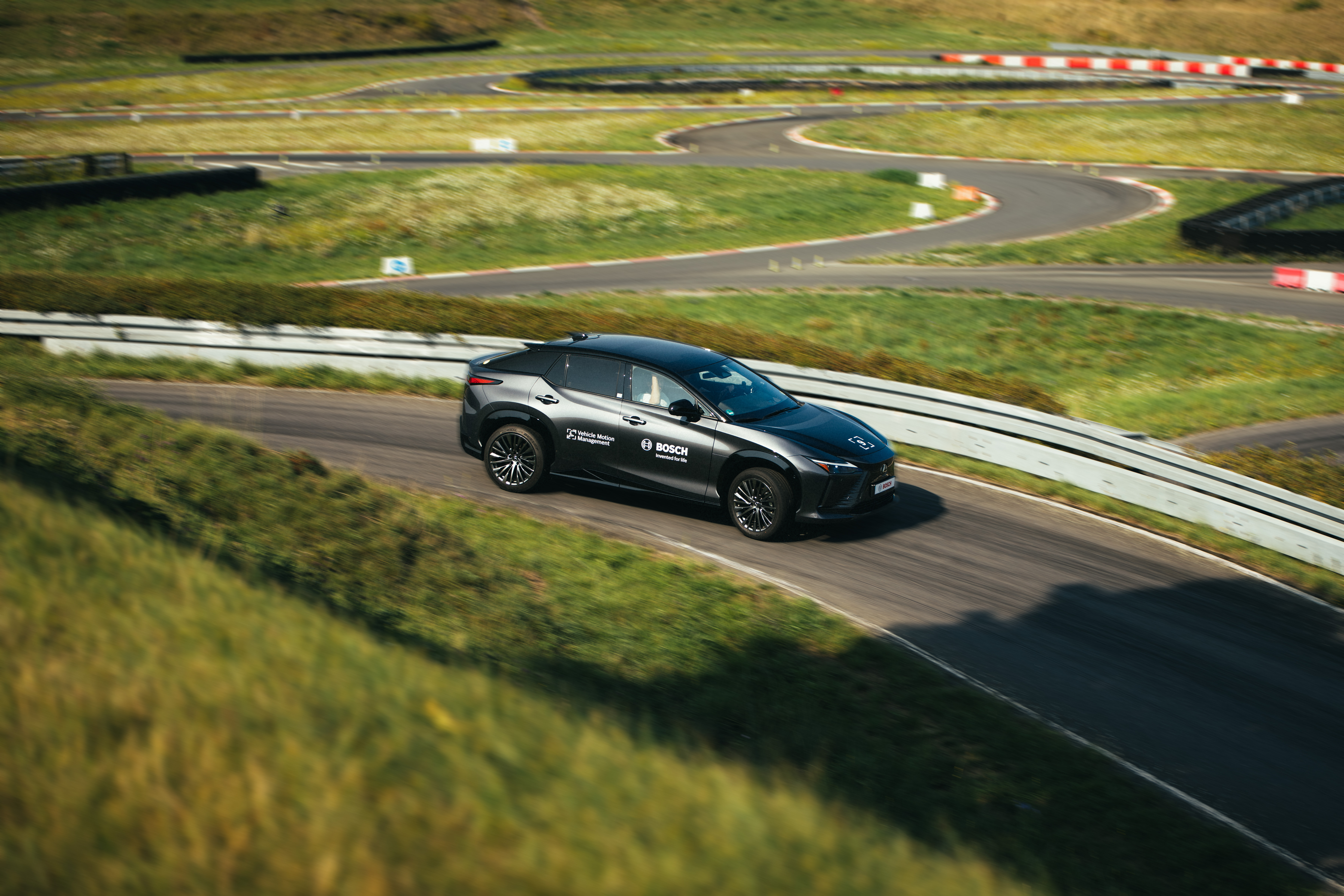
One example is an automated evasive steering function called “Autonomous Emergency Steering”. Bosch worked with a Chinese vehicle manufacturer to make this function ready for volume production within six months. It combines driving assistance and vehicle control in a way that greatly increases safety. If, in the event of sudden obstacles such as a swerving vehicle or an unexpected pedestrian, the braking distance is no longer sufficient, then “Autonomous Emergency Steering” steps in to prevent a collision. Bosch’s Vehicle Motion Management coordinates the brakes, steering, and powertrain so quickly and precisely that the vehicle swerves without losing stability – even in wintry road conditions.

Bosch develops Level 3 automated driving

Bosch is growing particularly strongly in China in the areas of electric powertrains, vehicle computers, new braking systems, semiconductor technologies, and advanced driver assistance systems (ADAS) for automated driving. Last year, around two-thirds of new passenger cars sold in the country had a Level 2 driver assistance system on board. “Bosch is one of the leading providers in the rapidly growing Chinese market for assisted and automated driving,” says Markus Heyn, member of the board of management of Robert Bosch GmbH and chairman of Bosch Mobility. The company has won orders for its assistance functions in various trim levels – from the entry-level segment to the premium class – not only in China, but in all major regions of the world.

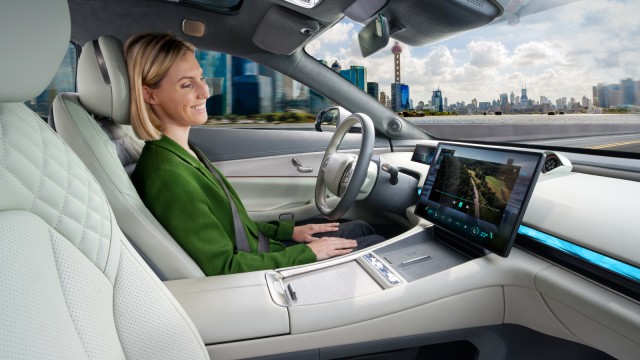
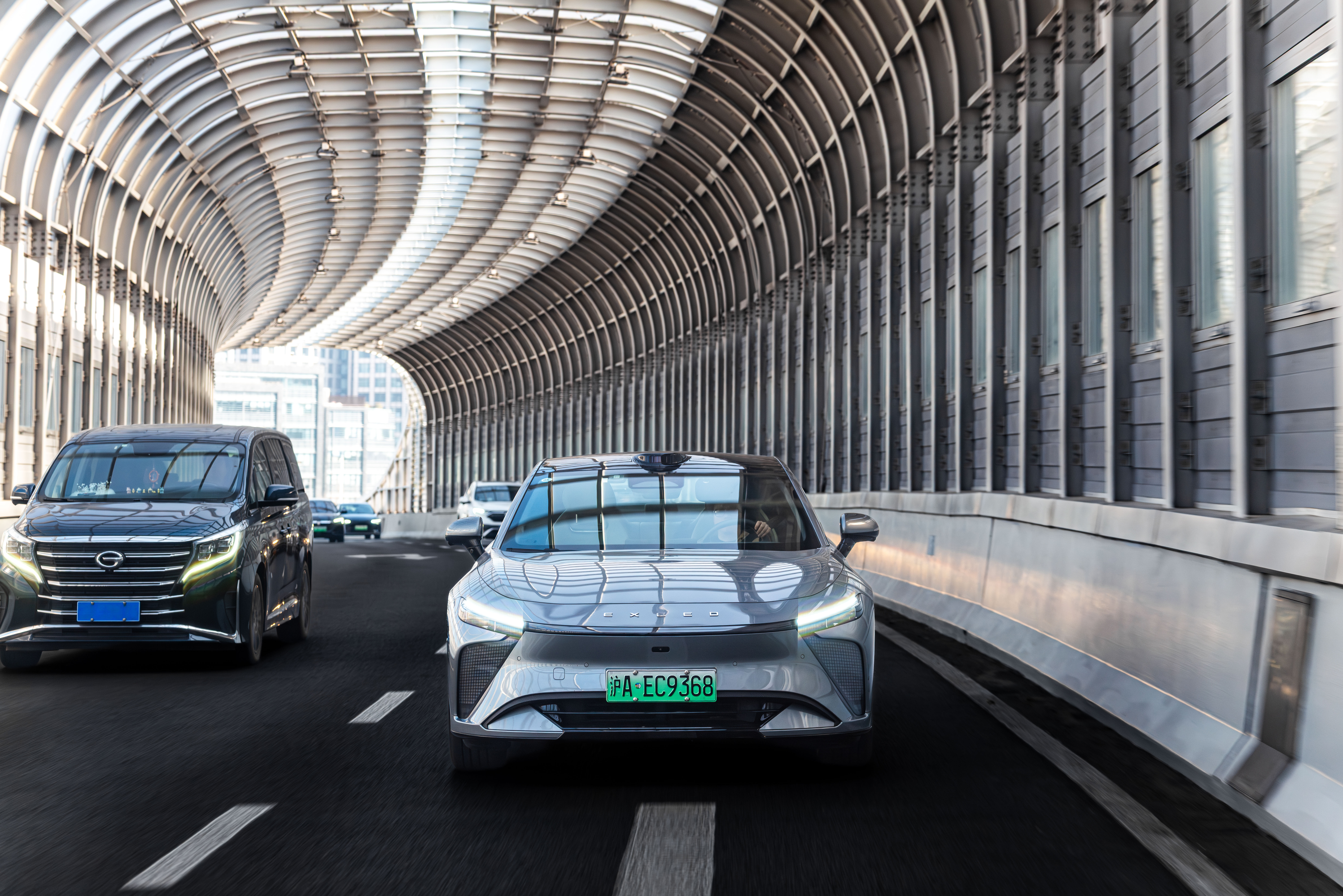
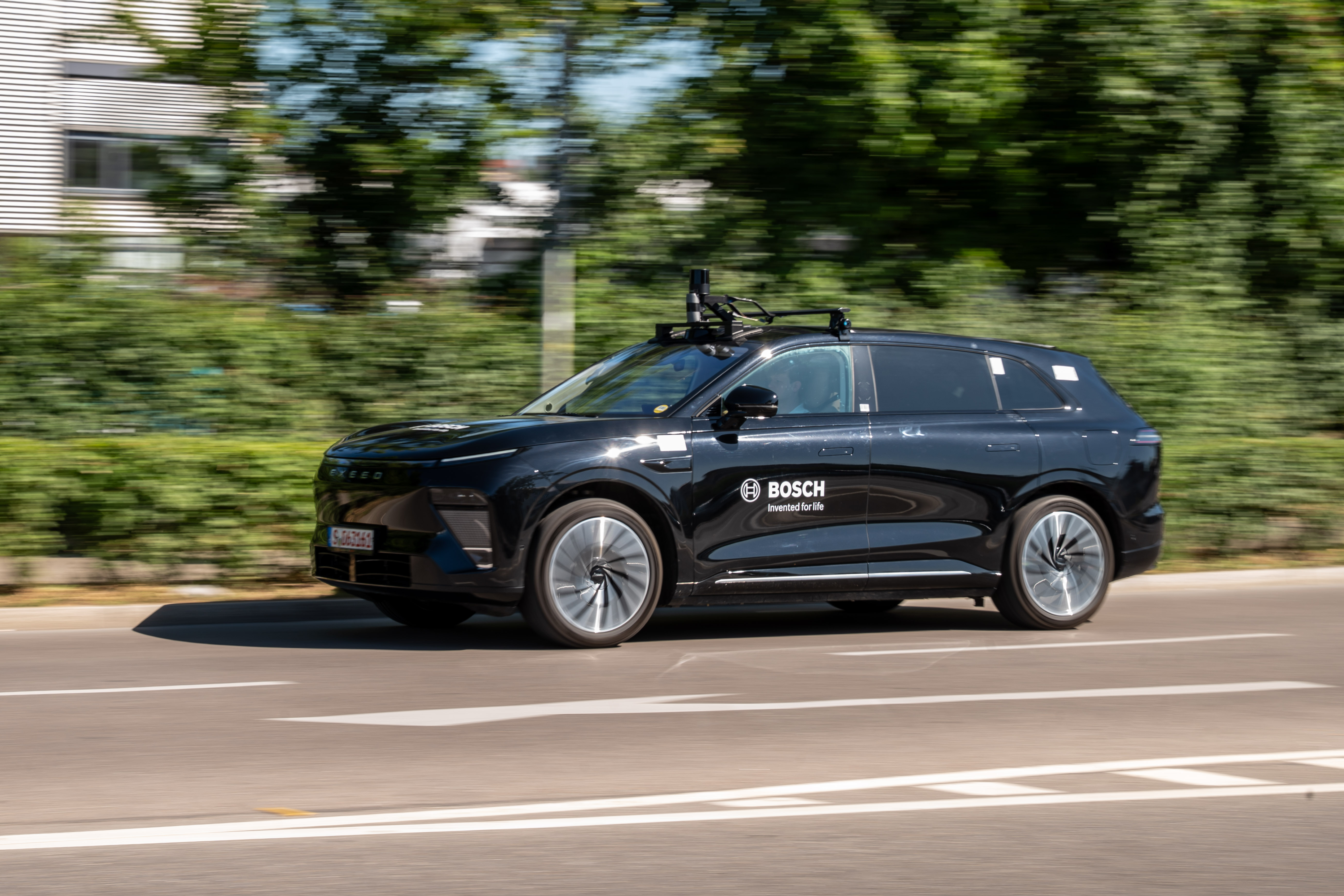
China’s market is striving for higher levels of automation. Demand for Level 3 driving functions is growing among vehicle manufacturers, confirming this trend. At the same time, China is working on finalizing the corresponding legislation for private vehicles. In this environment, Bosch Mobility is taking the next step in the development of automated driving – from Level 2 to Level 3. Since March 2026, the company has been licensed to test vehicles with Level 3 driving functions in real-world operation in Wuxi, China. Bosch is relying on a refined version of an ADAS system solution that has won a series of tests in the Chery Exeed ES. While the system enables the vehicle to brake, steer, and accelerate autonomously, the driver must keep a close eye on the traffic. This changes from Level 3, under which responsibility transfers to the vehicle in specific use cases, allowing drivers to take their hands off the steering wheel and their eyes off the road. In a world that is moving ever faster, Bosch technology will give drivers back the valuable time they spend in the car. They will be able to sit back and relax on highways and on expressways within Chinese cities. The Bosch system drives at speeds of up to 120 kilometers per hour, works in weather conditions with visibility of up to 300 meters, and changes lanes automatically.

With Bosch technology, Level 3 brings real added value for drivers. This is thanks to breakthroughs in artificial intelligence (AI), which is far superior to previous, rule-based approaches.

We use AI in every software component and combine it with a redundant safety architecture. Our knowledge spans all vehicle domains, and that makes us the ideal partner for manufacturers to scale Level 3

, says Markus Heyn, member of the board of management of Robert Bosch GmbH and chairman of Bosch Mobility.

The advantages of Bosch in software and hardware

Bosch plays to its advantages in the development of assisted and automated driving. The company has expertise in all the core areas of a vehicle, including powertrains, steering systems, brakes, vehicle sensors, high-performance computers, on-board electronics, software, and AI. Bosch provides manufacturers with both the hardware, such as the powerful seventh-generation radar, and the algorithms, allowing them to benefit from a global presence, economies of scale, and a high level of security. “We can transfer knowledge from one market to another. Our aim is to be the preferred partner for Chinese and Western manufacturers,” Heyn says. A Level 3 system for private vehicles, which relieves the driver of the task of driving for longer periods of time, is also attractive for large countries such as the U.S. with its wide highways, as well as for Europe. Bosch chairman Hartung adds: “The future belongs to those like us who can adapt their portfolios and supply chains to regional conditions – and at the same time deliver world-class quality.”

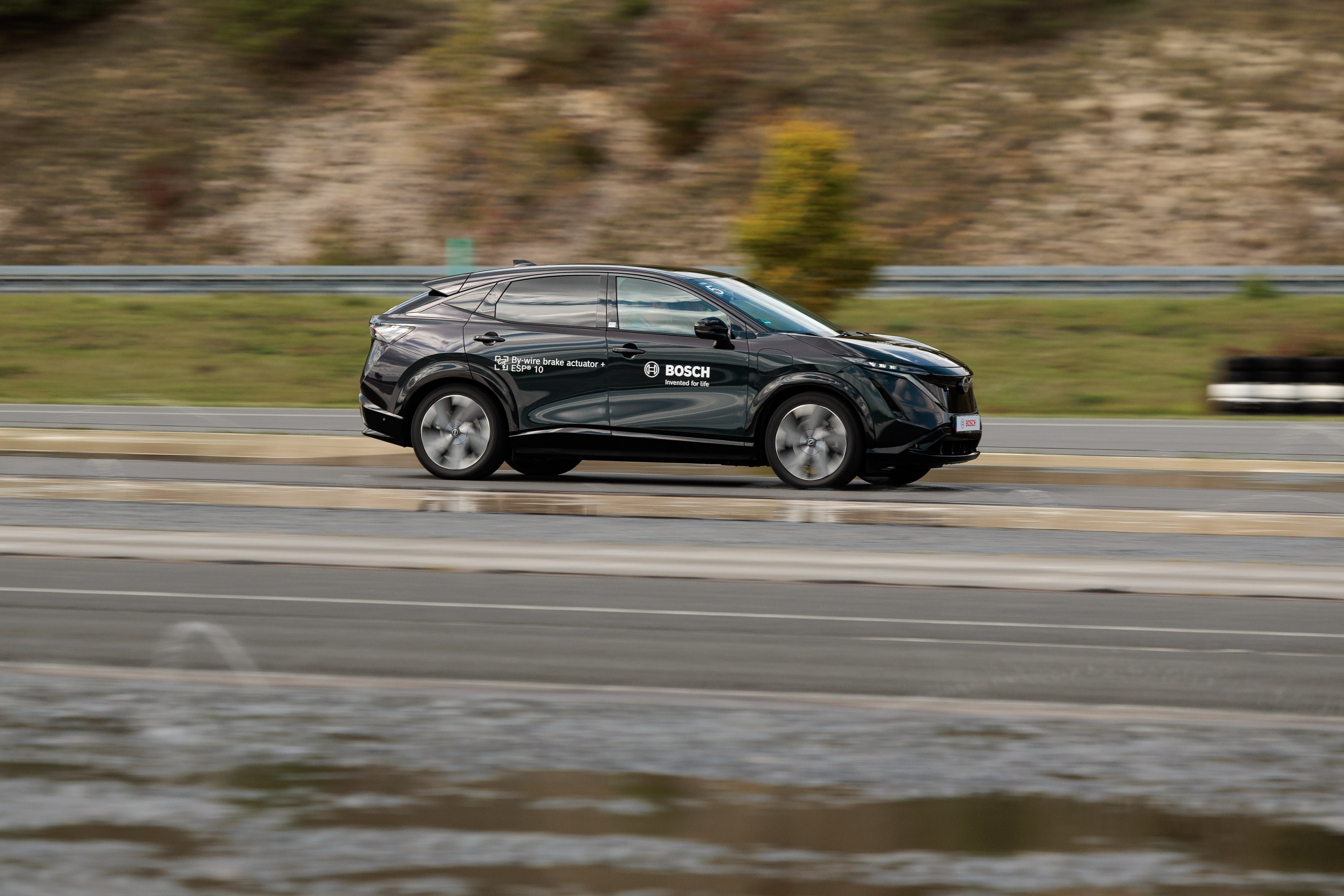
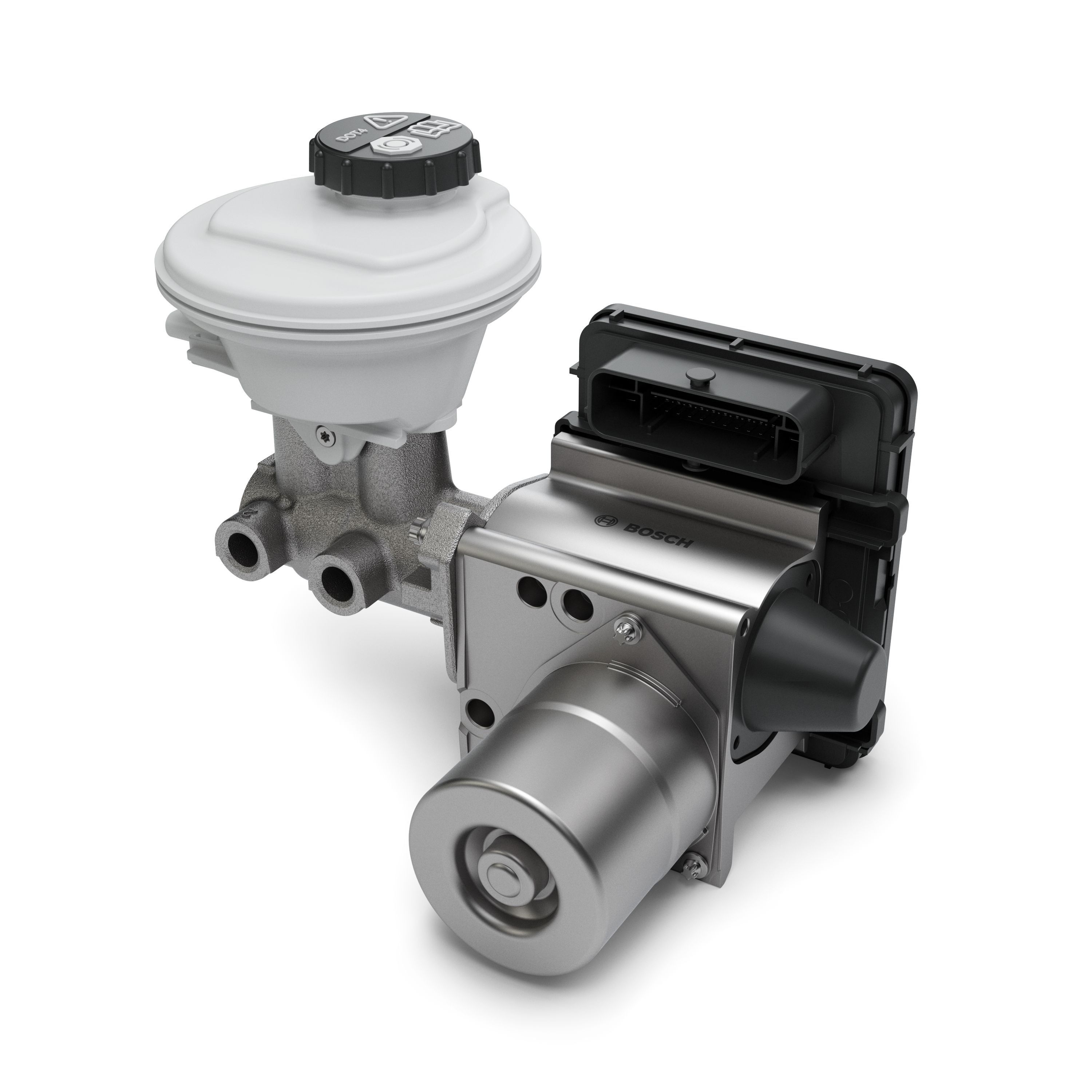
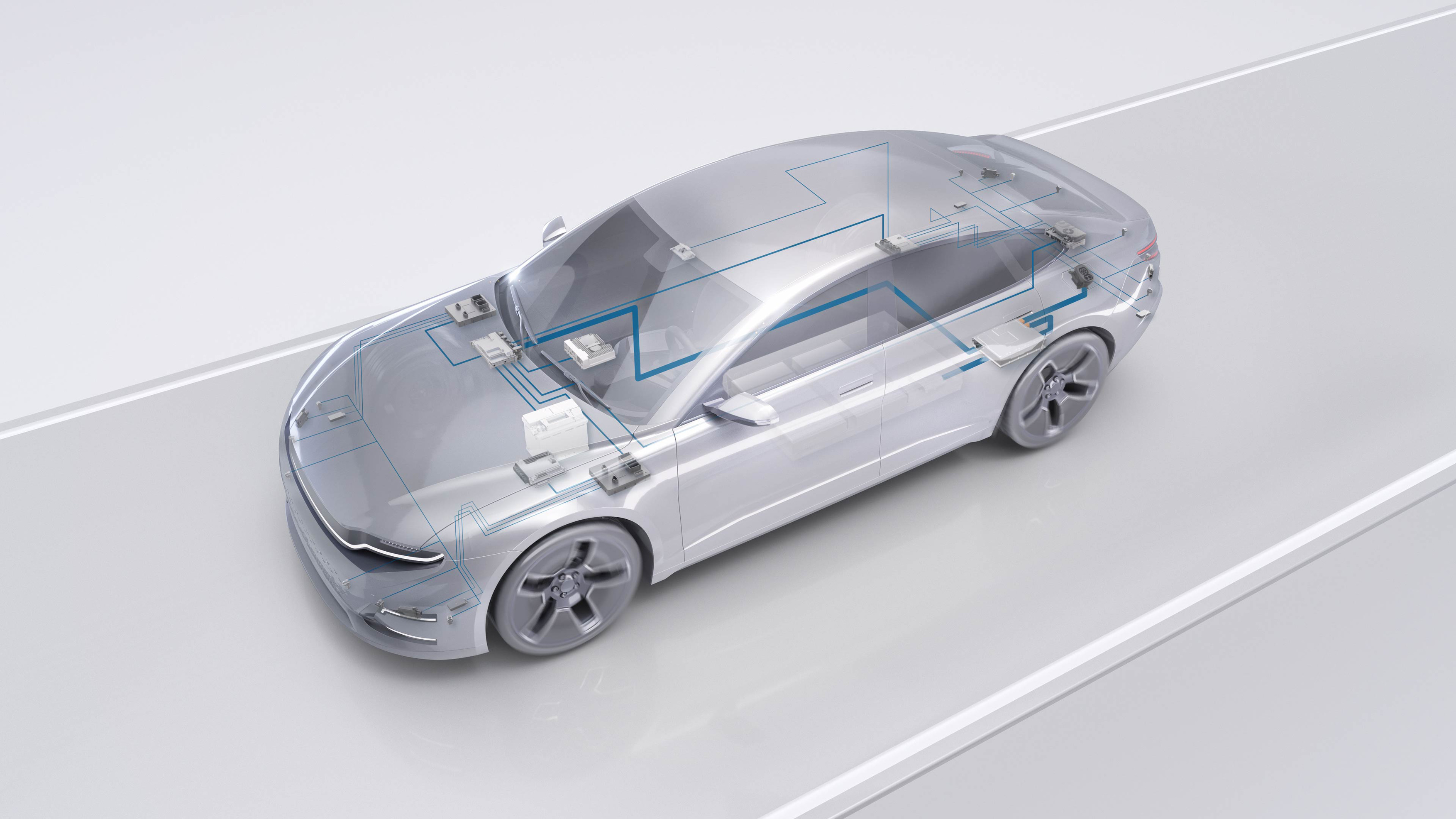
By-wire systems for braking and steering are a key technology for software-defined vehicles – which are an important area of business for Bosch. Signal lines transmit the driver’s request to the braking and steering system. For brake-by-wire, Bosch offers a solution consisting of two independent braking devices: a newly developed brake actuator and a traditional ESP® system. "With our hydraulic brake-by-wire system, we have developed an attractive product for all major regions. It’s based on proven and cost-effective components and is easy to integrate, which makes it easier to switch to the new technology,” Heyn says. Bosch has already signed supply contracts with five manufacturers for the hydraulic brake-by-wire system and is expected to launch it in volume production in passenger cars for private transport in mid-2026. The system will also feature in several robotaxi platforms, for which production is expected to start in 2027. In addition to the hydraulic solution, Bosch offers a purely electromechanical system as well. That means Bosch has the right braking system in its portfolio for every vehicle manufacturer.

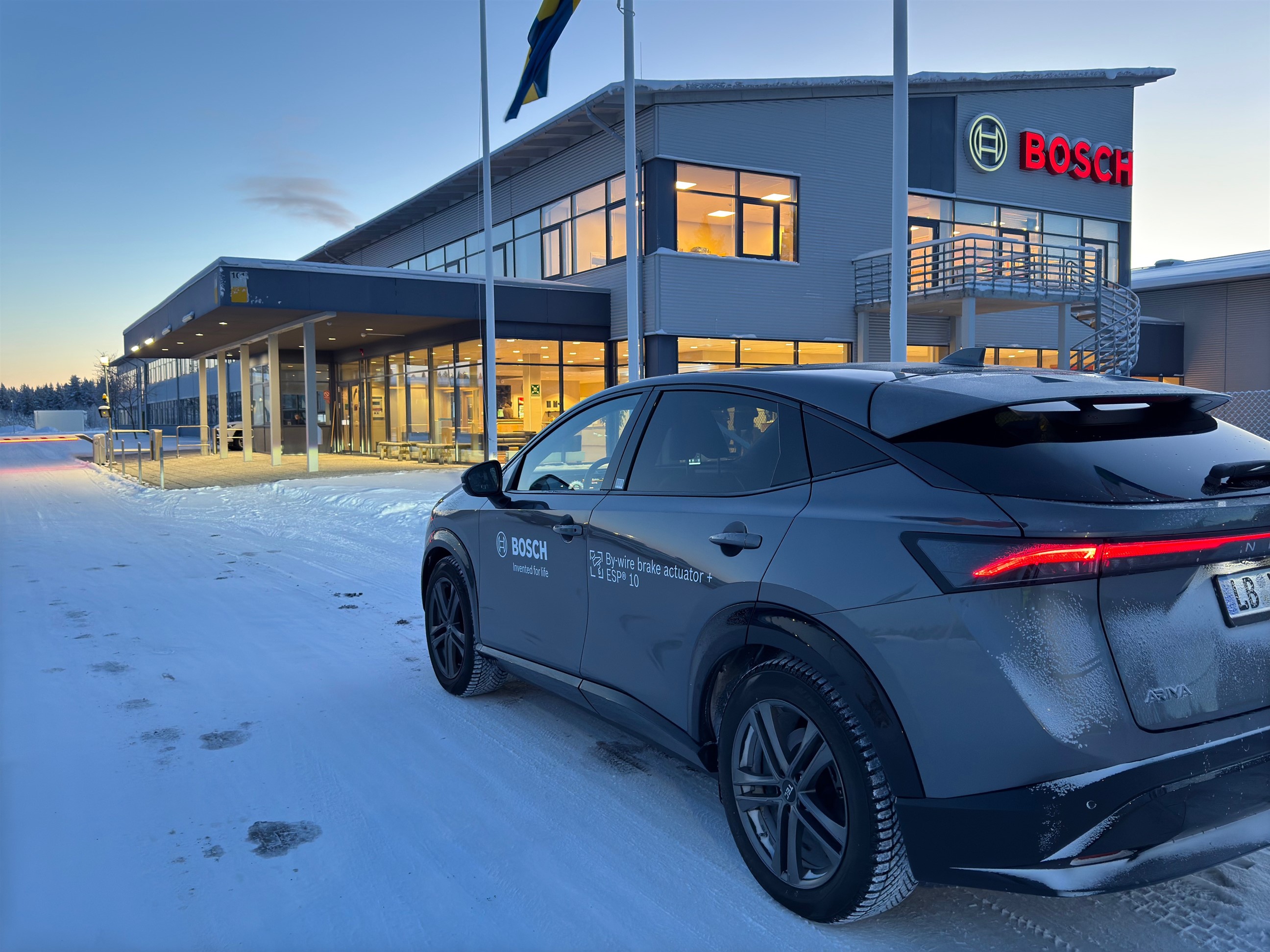
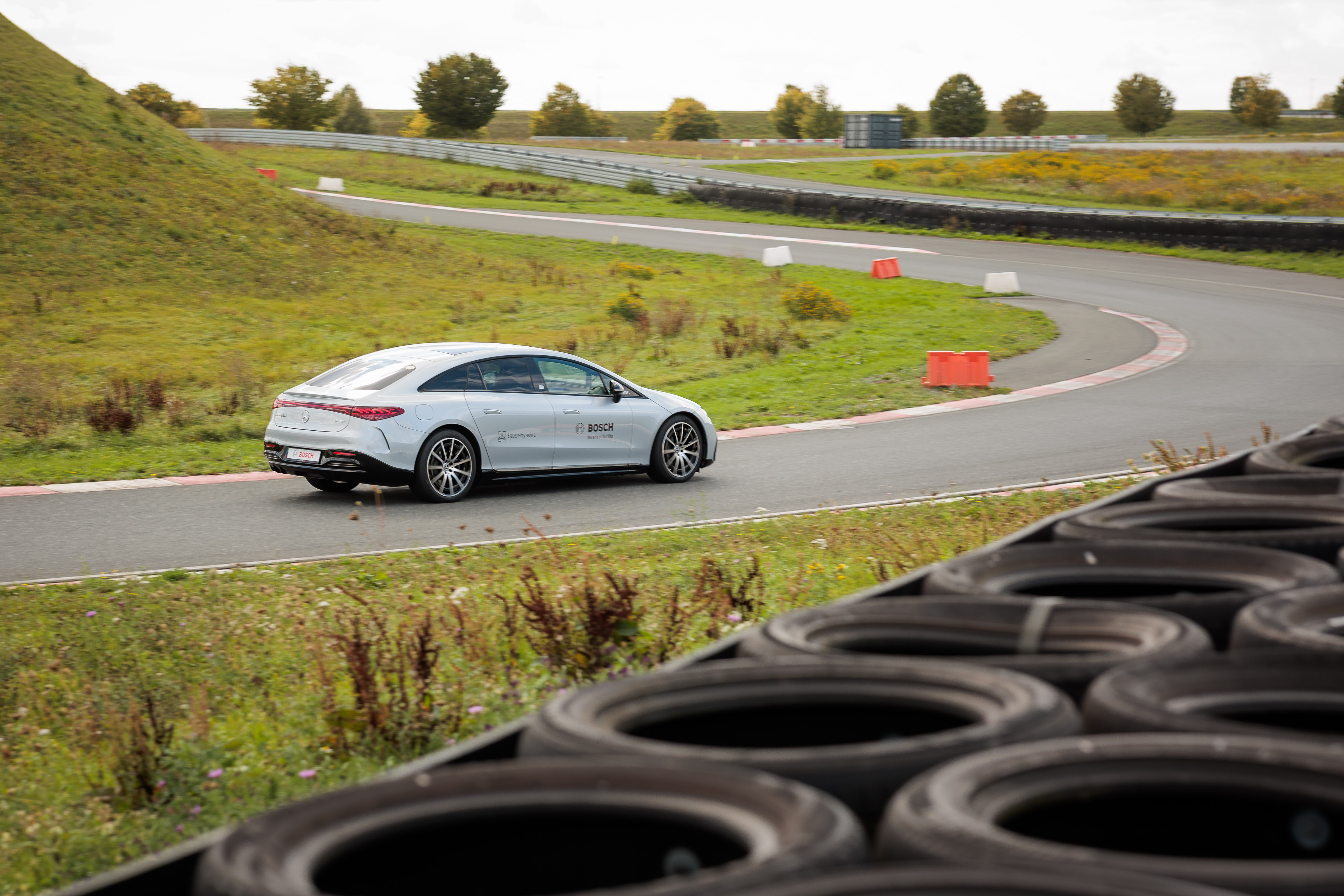
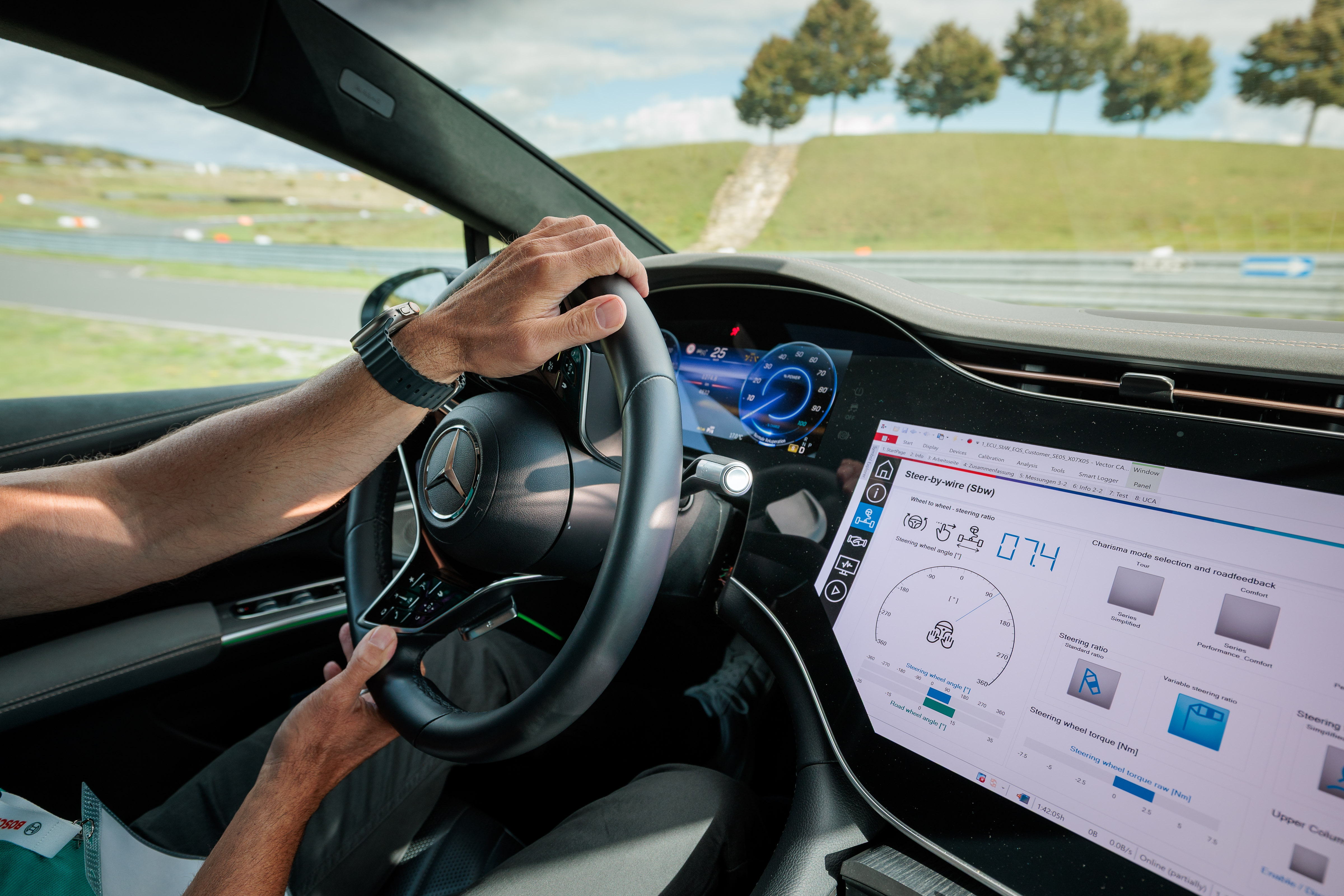
Drivers who brake with Bosch brake-by-wire and steer with steer-by-wire won’t notice any difference in driving feel compared to mechanical systems. But they will appreciate the functional benefits of the new technologies. These include an infinite range of steering ratios: from super-comfortable when parking, to sporty and direct on winding country roads, to super-sporty on the racetrack. The system that Bosch has developed stands out for its high performance. Vehicle manufacturers were able to see this for themselves during recent winter tests in Sweden, where they experienced the new Bosch steering system’s direct response, fast reaction, and sensitive steering and road feedback. In the Chinese market, the Bosch solution has already won over several domestic manufacturers, and the company will be launching this steer-by-wire system in volume production on various platforms this year.

Bosch is also a pioneer with its 48-volt low-voltage electrical system. The system covers the increasing energy requirements of modern technology and meets the highest safety requirements – with optimized weight and costs. At Auto China 2026, Bosch and Chinese vehicle manufacturer Chery plan to announce a strategic development cooperation for a 48-volt electrical system.

Bosch is well positioned in electric driving

Bosch has already produced over 25 million components for electrified driving. In 2026 alone, the company will provide more than 7 million components and systems for electric and hybrid vehicles worldwide. It supplies over 30 automakers in the Chinese lead market.

Bosch is constantly improving its electric motors. The company has the right electric powertrain for every type of vehicle, from small cars to sports cars. Its engineers have succeeded in reducing the efficiency losses of electric motors by up to 30 percent. To this end, they greatly optimized the electrical sheets, coils, and especially the cooling. For small and compact electric cars, aluminum stator coils are more suitable than copper ones. This reduces costs and weight. For sporty vehicles, Bosch can increase the power density of the electric motor by 50 percent (up to 16 kW/kg).

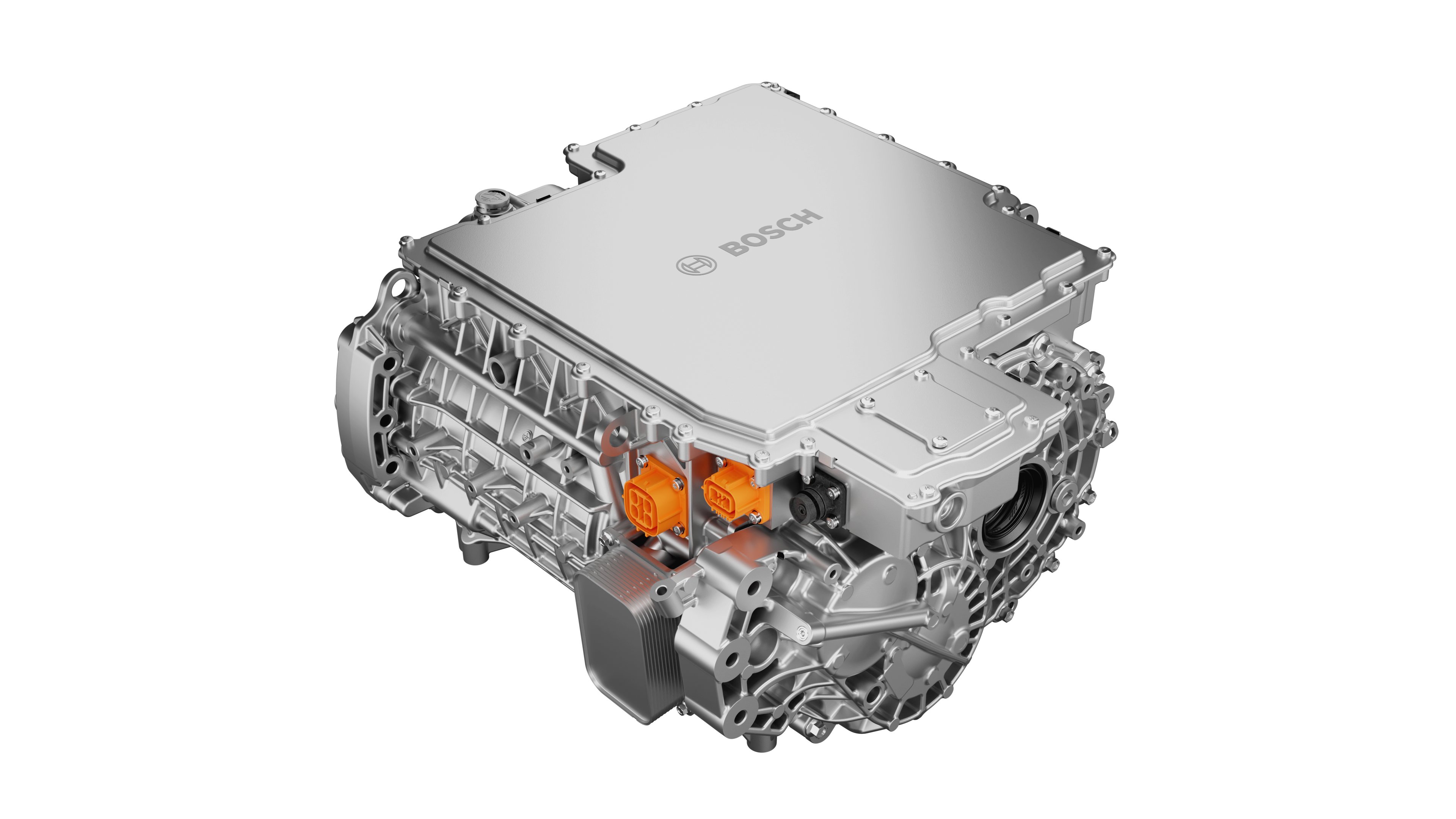
Bosch introduced an e-axle with a magnesium alloy in 2025. This reduces the weight of the housing by around one-fifth. The trend toward more highly integrated solutions – merging several functions within one housing – aims to optimize space, weight, and costs. This is why Bosch offers various modular systems solutions that vehicle manufacturers can flexibly integrate into their models. The 6-in-1 e-axle combines an electric motor, transmission, inverter, on-board charger, DC/DC converter, and power distribution unit. It is going into volume production with Chinese customers this year.

Contact person for press inquiries:

Andreas Haupt.
Phone: +49 711 811 13104
E-mail: andreas.haupt@de.bosch.com

About Bosch

The Bosch Group is a leading global supplier of technology and services. It employs roughly 413,000 associates worldwide (as of December 31, 2025). The company generated sales of 91 billion euros in 2025. Its operations are divided into four business sectors: Mobility, Industrial Technology, Consumer Goods, and Energy and Building Technology. With its business activities, the company aims to use technology to help shape universal trends such as automation, digitalization, electrification, and artificial intelligence. In this context, Bosch’s broad diversification across regions and industries strengthens its innovativeness and robustness. Bosch uses its proven expertise in hardware, software, and services to offer customers cross-domain solutions from a single source. It also applies its expertise in connectivity and artificial intelligence in order to develop and manufacture intelligent, user-friendly, and sustainable products. With technology that is “Invented for life,” Bosch wants to help improve quality of life and conserve natural resources. The Bosch Group comprises Robert Bosch GmbH and its roughly 500 subsidiary and regional companies in over 60 countries. Including sales and service partners, Bosch’s global manufacturing, engineering, and sales network covers nearly every country in the world. Bosch’s innovative strength is key to the company’s further development. Bosch employs some 82,000 associates in research and development.

The company was set up in Stuttgart in 1886 by Robert Bosch (1861-1942) as “Workshop for Precision Mechanics and Electrical Engineering.” The special ownership structure of Robert Bosch GmbH guarantees the entrepreneurial freedom of the Bosch Group, making it possible for the company to plan over the long term and to undertake significant upfront investments in the safeguarding of its future. Ninety-four percent of the share capital of Robert Bosch GmbH is held by Robert Bosch Stiftung GmbH, a limited liability company with a charitable purpose. The remaining shares are held by Robert Bosch GmbH and by a company owned by the Bosch family. The majority of voting rights are held by Robert Bosch Industrietreuhand KG. It is entrusted with the task of safeguarding the company’s long-term existence and in particular its financial independence – in line with the mission handed down in the will of the company’s founder, Robert Bosch.

Additional information is available online at www.bosch.com, www.bosch-press.com.
download