Suche

Press release #Mobility
share

A leap in semiconductor efficiency: Bosch introduces third generation of SiC chips

Billions invested in global manufacturing network

  • Dr. Markus Heyn: “We’re helping our customers put even more powerful and efficient electric cars onto the road.”
  • Next-generation Bosch SiC chips deliver 20 percent higher performance, increasing overall drive electronics efficiency.
  • Bosch is aiming to be a globally leading manufacturer of SiC chips for electromobility.
  • Since the start of production in 2021, Bosch has already delivered more than 60 million SiC chips worldwide.
Athanassios Kaliudis

Athanassios Kaliudis

X

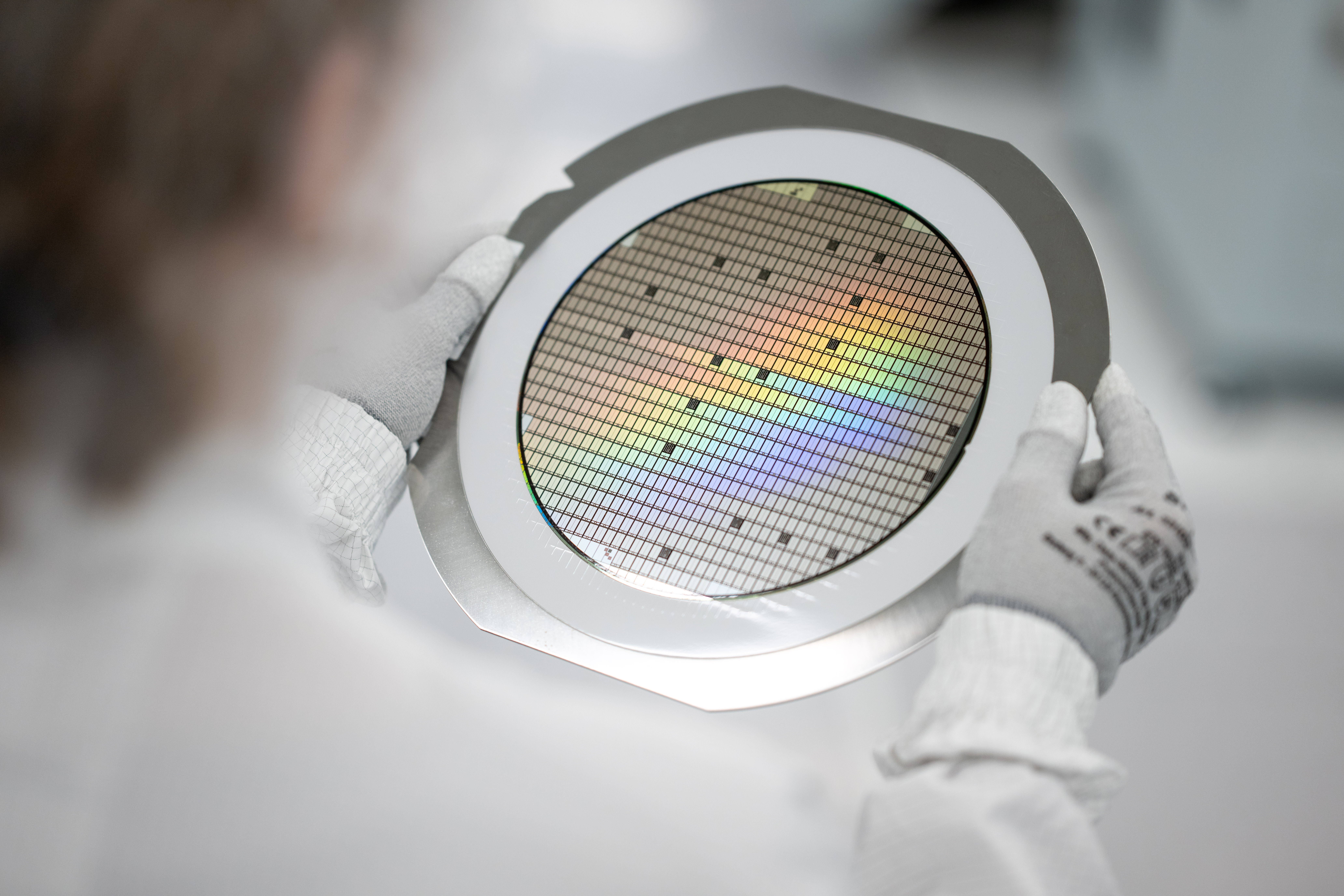
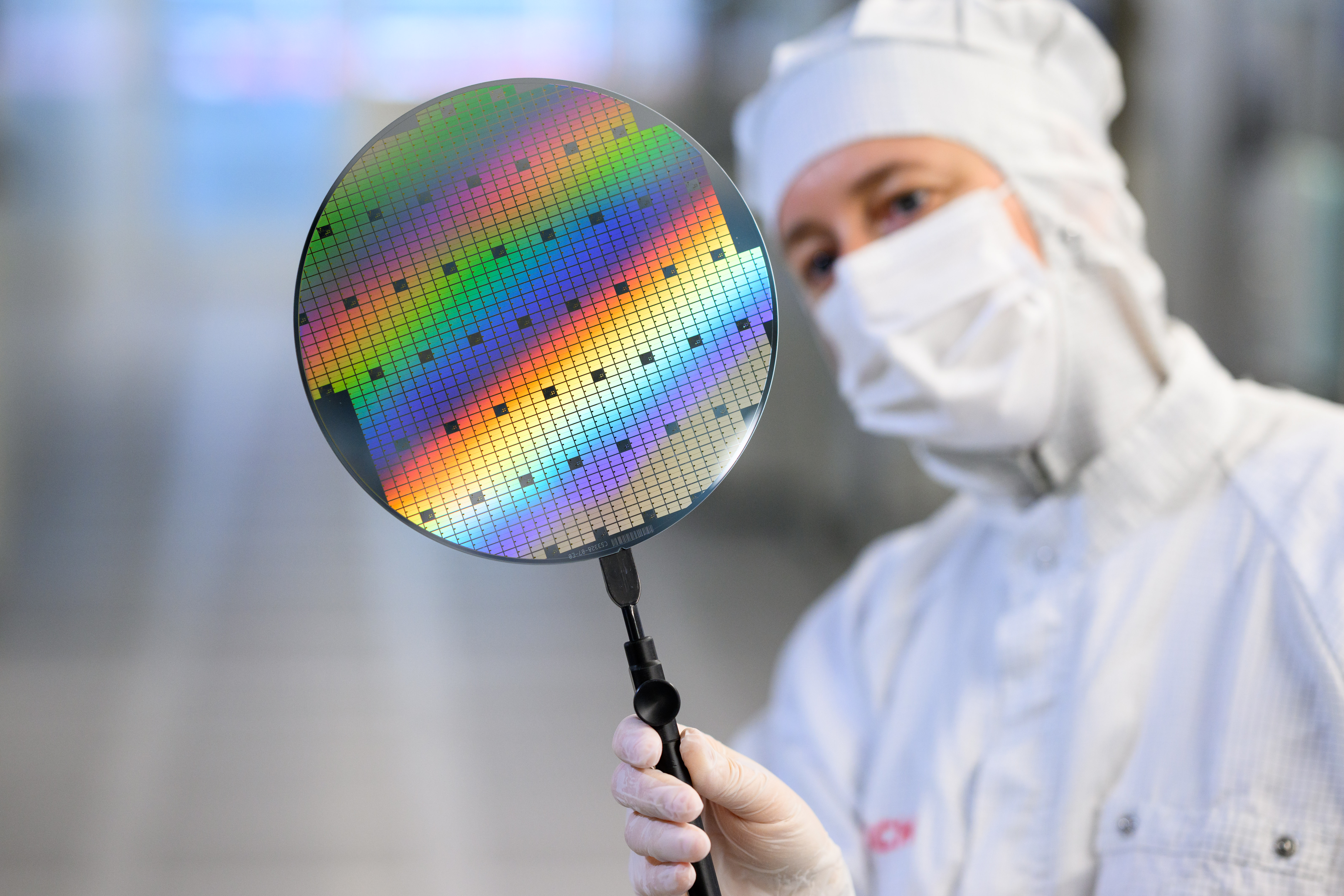
Stuttgart, Germany – Chips made of silicon carbide (SiC) are the key to making electric cars more efficient and increasing their range. Bosch has now taken the development of these chips to the next level: the company has started to introduce third-generation silicon carbide chips and is supplying samples to global automakers. This means that in the future, more and more electric vehicles will be equipped with Bosch’s cutting-edge third-generation SiC chips. “Silicon-carbide semiconductors are the key drivers of electromobility. They control the flow of energy and make it as efficient as possible. With our next-generation SiC chips, we’re systematically expanding our technological leadership in this field and helping our customers put even more powerful and efficient electric vehicles onto the road,” says Markus Heyn, member of the Bosch board of management and chairman of the Bosch Mobility business sector.
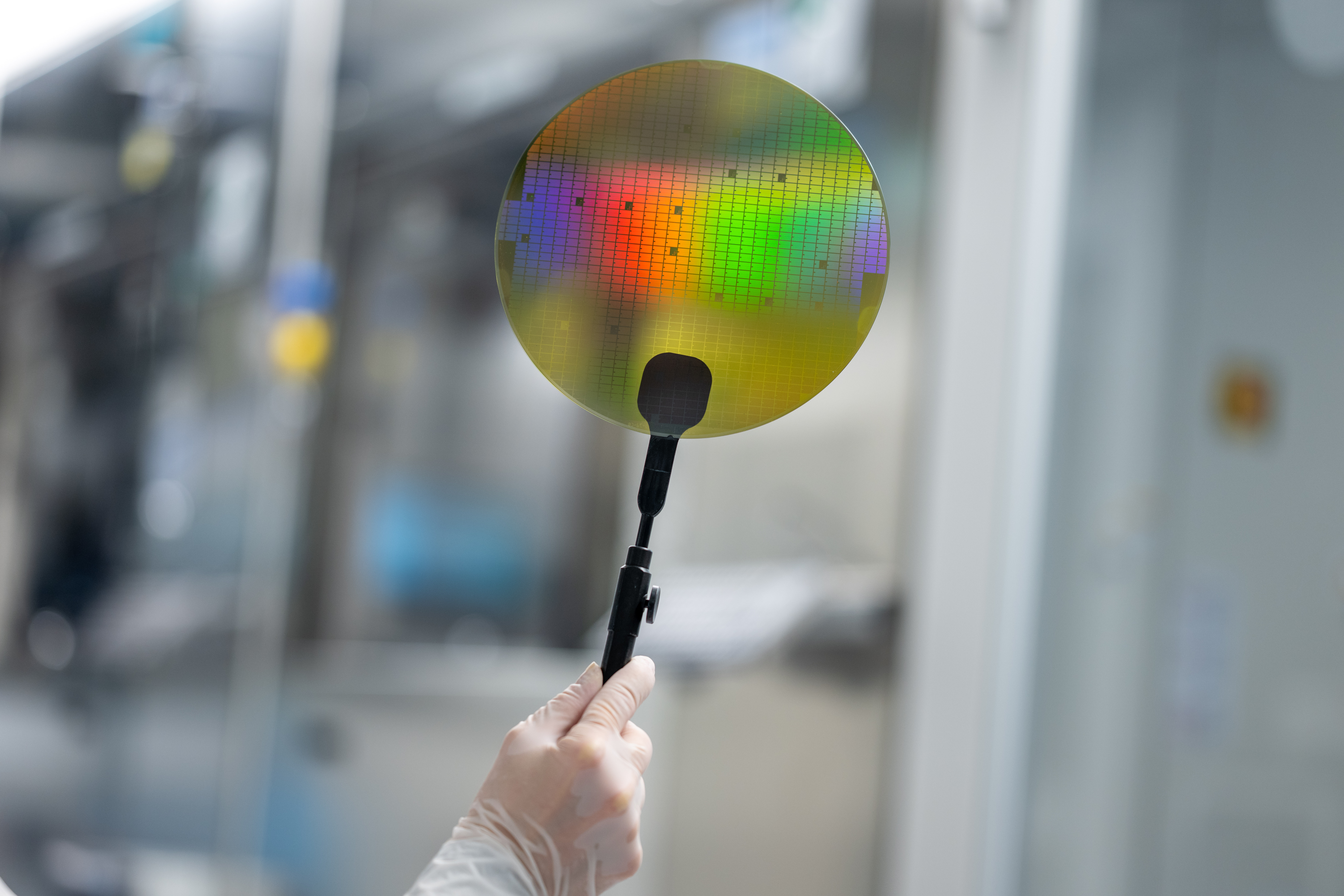
Our ambition is clear: we want to be a globally leading manufacturer of SiC chips,

says Markus Heyn, member of the Bosch board of management and chairman of the Bosch Mobility business sector.
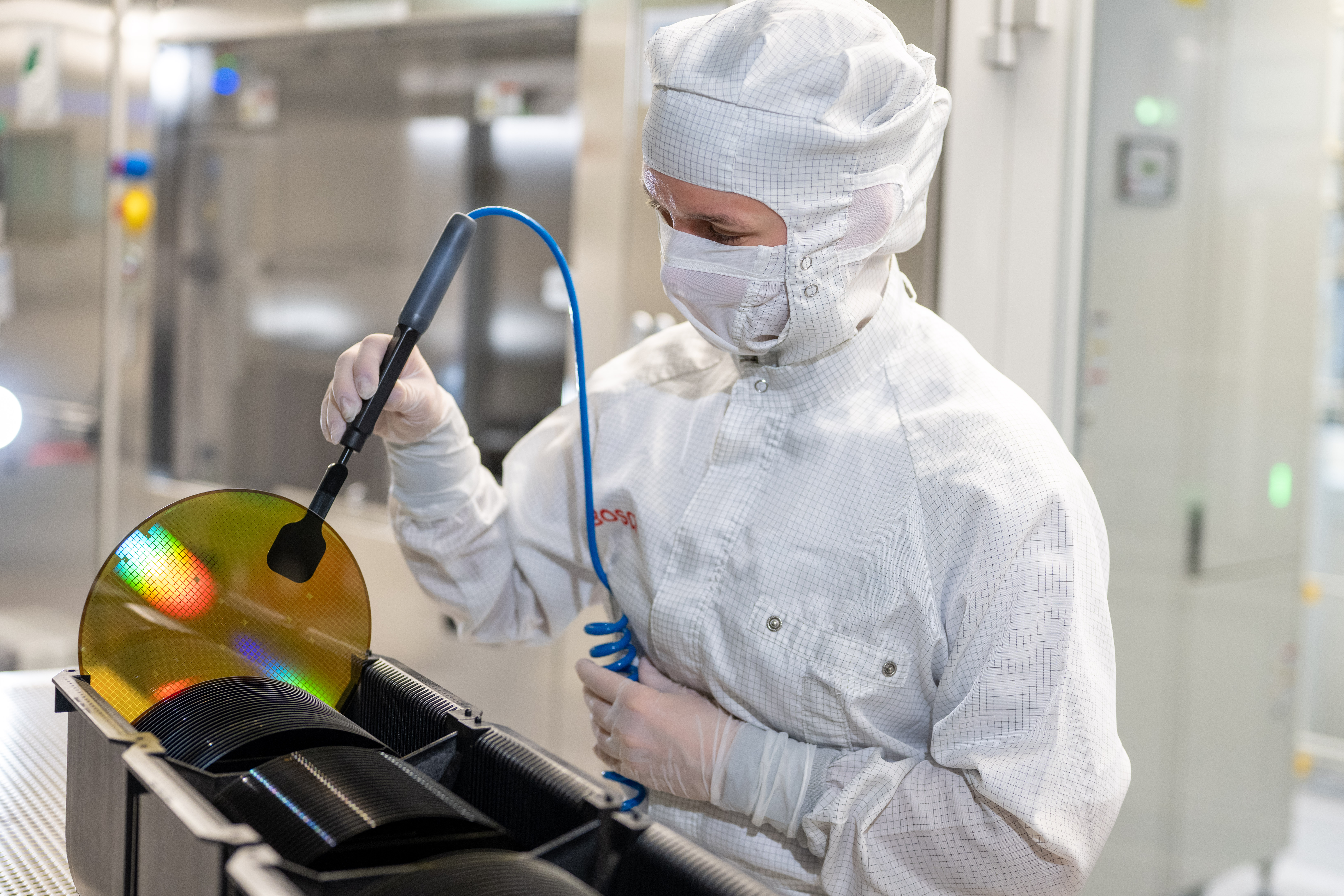
Bosch is thus positioning itself in a promising, high-growth market. Analyses by the market research and consulting company Yole Intelligence* forecast that the global market for SiC power semiconductors will grow from 2.3 billion U.S. dollars in 2023 to around 9.2 billion U.S. dollars by 2029, driven primarily by electromobility.

Billions invested in global manufacturing network

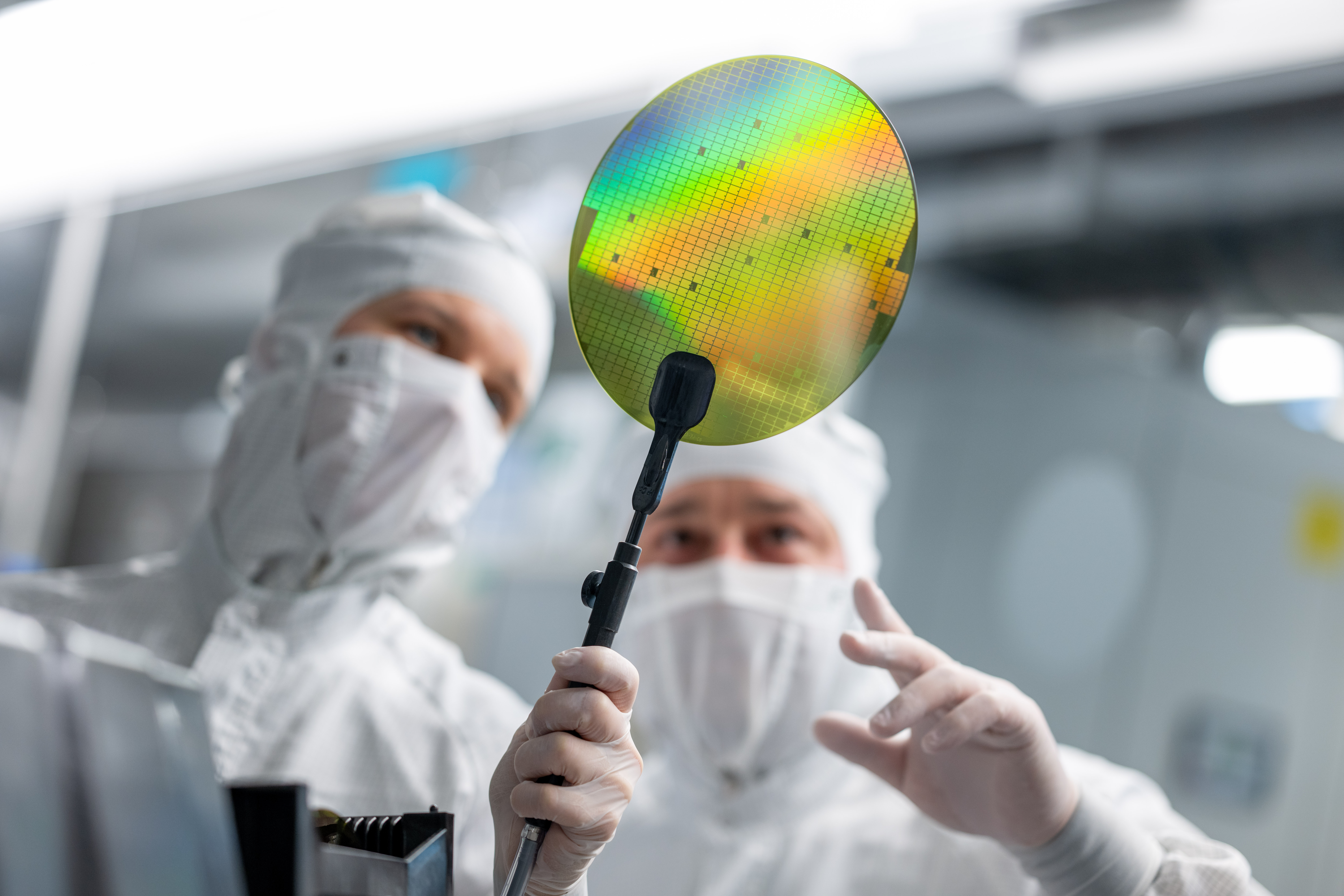
Silicon-carbide semiconductors switch much faster and more efficiently than conventional silicon chips. They reduce energy losses and enable a higher power density in the electronics. Bosch’s next-generation semiconductors offers not only a technological advantage, but also an economic one. “Our next-generation chips deliver 20 percent higher performance and are also significantly smaller than the previous generation,” Heyn says. “This miniaturization is the key to greater cost efficiency, as we can produce many more chips per wafer. That means we’re playing a key role in making high-performance electronics more widely available.” Bosch has already delivered more than 60 million SiC chips worldwide since the first generation went into production in 2021.

In recent years, Bosch has pushed ahead with its development work for SiC chips and at the same time increased its manufacturing and clean-room capacity. The company has invested around 3 billion euros in semiconductors as part of Europe’s IPCEI (Important Projects of Common European Interest) funding programs for microelectronics and communication technology. Its wafer fab in Reutlingen, Germany, develops and manufactures the third-generation SiC chips on modern 200-millimeter wafers. In September 2023, Bosch acquired a second fab for SiC chip manufacturing in Roseville, California, and is currently equipping it with state-of-the-art, highly complex production facilities. The company is investing an additional 1.9 billion euros in the U.S. plant, which will manufacture and deliver its first SiC chips this year – initially as samples for customer trials. “In the future, Bosch will supply its innovative SiC chips from these two fabs in Germany and the U.S.,” Heyn says. This will make for more robust and resilient supply chains in the rapidly growing electrification of the automotive industry. In the medium term, Bosch intends to expand its manufacturing capacity for SiC power semiconductors to a unit volume running into the mid-nine figure range.

Unique “Bosch process” is the key to success

Bosch uses unique manufacturing expertise to make its chips both smaller and more powerful. The company adapted its etching process, which has existed since 1994 and is known throughout the industry as the “Bosch process.” Originally developed for sensors, this process enables the manufacture of high-precision vertical structures in silicon carbide. This design greatly increases the chips’ power density – a decisive factor for the third generation’s superior performance.


*Power SiC 2024 report, Yole Intelligence, 2024

Contact person for press inquiries:

Athanassios Kaliudis,
Phone: +49 711 811 7497
E-mail: Athanassios.Kaliudis@de.bosch.com

Mobility is the largest Bosch Group business sector. It generated sales of 55,8 billion euros in 2025, and thus contributed around 61 percent of total sales. This makes the Bosch Group one of the leading mobility suppliers of technology and services. Bosch Mobility pursues a vision of mobility that is safe, sustainable, and exciting. For its customers, the outcome is integrated mobility solutions. The business sector’s main areas of activity are electrification, software and services, semiconductors and sensors, vehicle computers, advanced driver assistance systems, systems for vehicle dynamics control, repair-shop concepts, as well as technology and services for the automotive aftermarket and fleets. Bosch is synonymous with important automotive innovations, such as electronic engine management, the ESP anti-skid system, and common-rail diesel technology.

The Bosch Group is a leading global supplier of technology and services. It employs roughly 413,000 associates worldwide (as of December 31, 2025). The company generated sales of 91 billion euros in 2025. Its operations are divided into four business sectors: Mobility, Industrial Technology, Consumer Goods, and Energy and Building Technology. With its business activities, the company aims to use technology to help shape universal trends such as automation, digitalization, electrification, and artificial intelligence. In this context, Bosch’s broad diversification across regions and industries strengthens its innovativeness and robustness. Bosch uses its proven expertise in hardware, software, and services to offer customers cross-domain solutions from a single source. It also applies its expertise in connectivity and artificial intelligence in order to develop and manufacture intelligent, user-friendly, and sustainable products. With technology that is “Invented for life,” Bosch wants to help improve quality of life and conserve natural resources. The Bosch Group comprises Robert Bosch GmbH and its roughly 500 subsidiary and regional companies in over 60 countries. Including sales and service partners, Bosch’s global manufacturing, engineering, and sales network covers nearly every country in the world. Bosch’s innovative strength is key to the company’s further development. Bosch employs some 82,000 associates in research and development.

Additional information is available online at www.bosch.com, www.bosch-press.com.

download