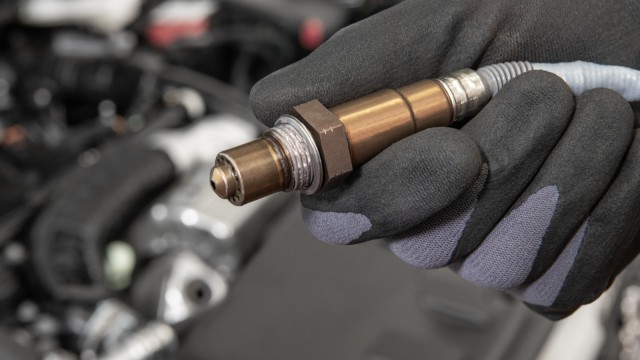


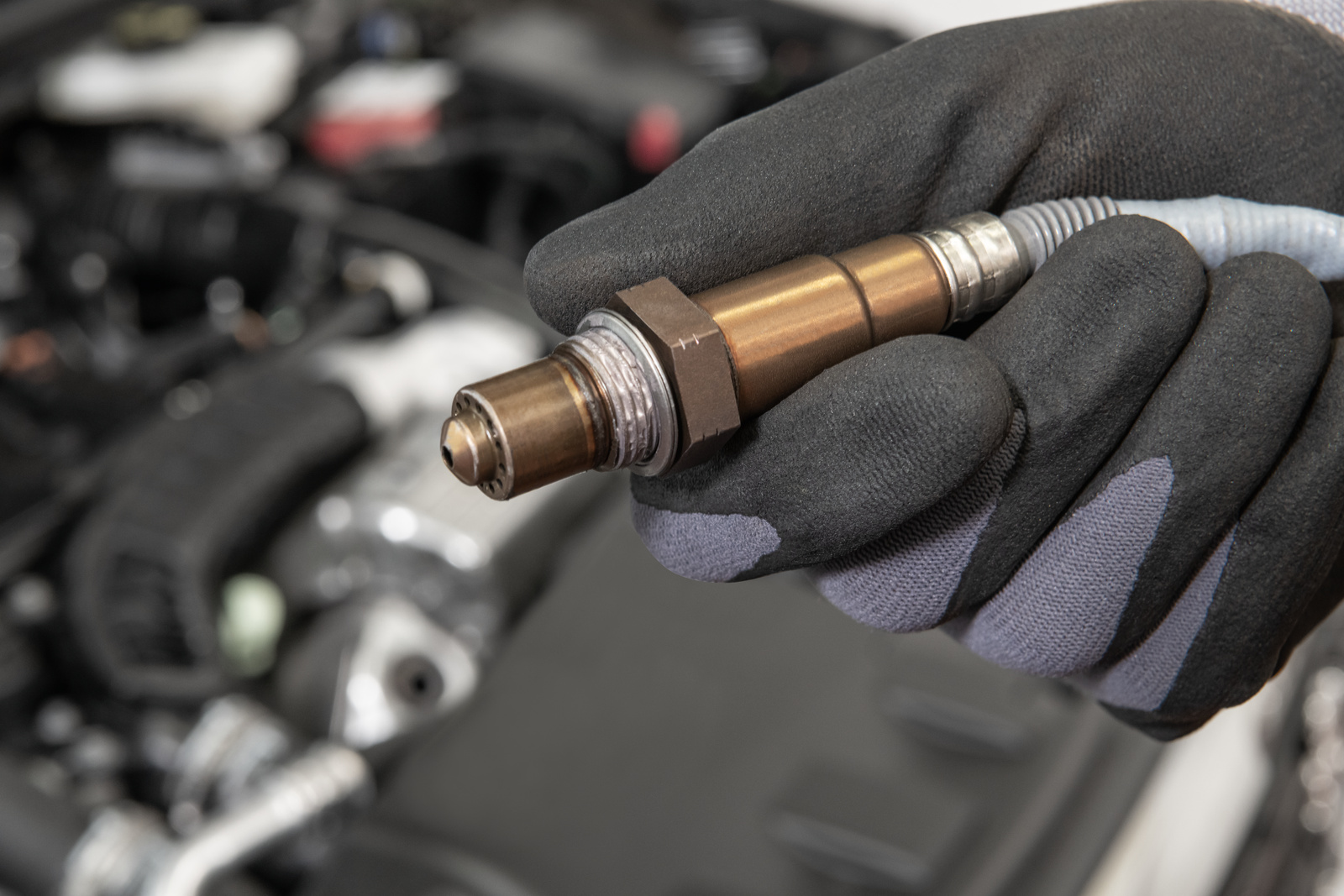
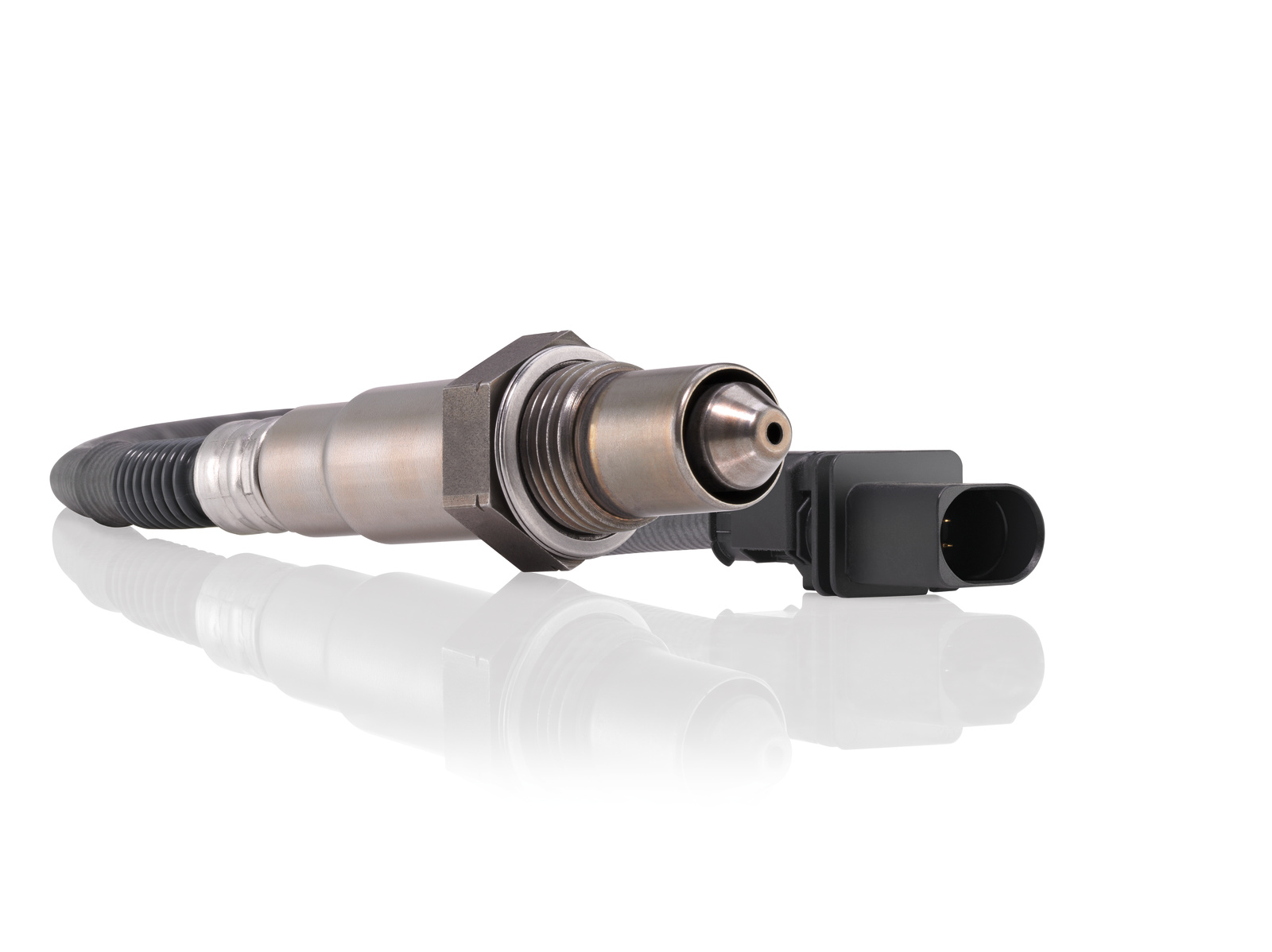
Karlsruhe/Plochingen – Developed by Bosch in 1976 and first installed in production vehicles by Volvo that same year, the lambda sensor marked a technical revolution in the automotive industry. Today, it has become an indispensable component in gasoline and diesel vehicles. In 2026, Bosch celebrates the 50th anniversary of a key technology that significantly contributes to reducing pollutant emissions and fuel consumption. With around 1.7 billion units produced by Bosch worldwide, the lambda sensor has established itself as a vital component for more efficient combustion.
The Bosch Mobility Aftermarket division (MA) is one of the world’s leading providers of spare parts, diagnostic solutions and repair-shop equipment for passenger cars, two-wheelers and commercial vehicles. Its product portfolio includes products made as Bosch original equipment, products developed in-house and specifically manufactured for the aftermarket, as well as services. In addition to new parts, the range also comprises a large number of remanufactured exchange parts, thereby contributing to a resource-conserving circular economy. A key pillar in this context is the Bosch eXchange program, with which the division generated around 400 million euros in sales in 2025. Around 16,000 associates and a global logistics network ensure fast and reliable supply to distributors and repair shops worldwide. MA also supplies modern testing and repair-shop technology, diagnostic software, training, as well as technical information and services, which are increasingly being expanded through software- and AI-based solutions. In addition, the division includes the “Bosch Service” workshop concept with around 13,000 workshops worldwide, as well as “AutoCrew” with more than 700 workshops in over 100 countries. Furthermore, with Bosch Classic, MA supports owners of classic and modern classic cars with a wide range of spare parts and services.
Additional information can be accessed at http://www.boschaftermarket.com
The Bosch Group is a leading global supplier of technology and services. It employs roughly 413,000 associates worldwide (as of December 31, 2025). The company generated sales of 91 billion euros in 2025. Its operations are divided into four business sectors: Mobility, Industrial Technology, Consumer Goods, and Energy and Building Technology. With its business activities, the company aims to use technology to help shape universal trends such as automation, digitalization, electrification, and artificial intelligence. In this context, Bosch’s broad diversification across regions and industries strengthens its innovativeness and robustness. Bosch uses its proven expertise in hardware, software, and services to offer customers cross-domain solutions from a single source. It also applies its expertise in connectivity and artificial intelligence in order to develop and manufacture intelligent and user-friendly products. With technology that is “Invented for life,” Bosch wants to help improve quality of life. The Bosch Group comprises Robert Bosch GmbH and its roughly 500 subsidiary and regional companies in over 60 countries. Including sales and service partners, Bosch’s global manufacturing, engineering, and sales network covers nearly every country in the world. Bosch’s innovative strength is key to the company’s further development. Bosch employs some 82,000 associates in research and development.
Additional information is available online at www.bosch.com, www.bosch-press.com.